


B-cell acute lymphoblastic leukemia (B-ALL) remains the most prevalent pediatric cancer, representing approximately 85% of all leukemia diagnoses in children. Despite significant advances in treatment, this aggressive malignancy continues to challenge clinicians, with nearly 20% of patients failing to achieve long-term remission beyond five years. In Spain alone, estimates project over 400 new B-ALL cases by 2025, highlighting the urgent need for innovative therapeutic strategies that can overcome treatment resistance and relapse.
Standard frontline therapies have improved survival rates; however, patients who experience relapse or are refractory to conventional treatments confront a grim prognosis. A breakthrough in recent years has been the introduction of immunotherapies targeting the CD19 antigen—a surface protein ubiquitously expressed on B-ALL cells. CAR-T (chimeric antigen receptor T-cell) therapies engineered to recognize CD19 have revolutionized treatment paradigms, demonstrating remarkable initial response rates. Yet, clinical outcomes remain unsatisfactory for a substantial subset of patients, with nearly half relapsing primarily due to cancer cells orchestrating immune evasion via downregulation or loss of CD19 expression.
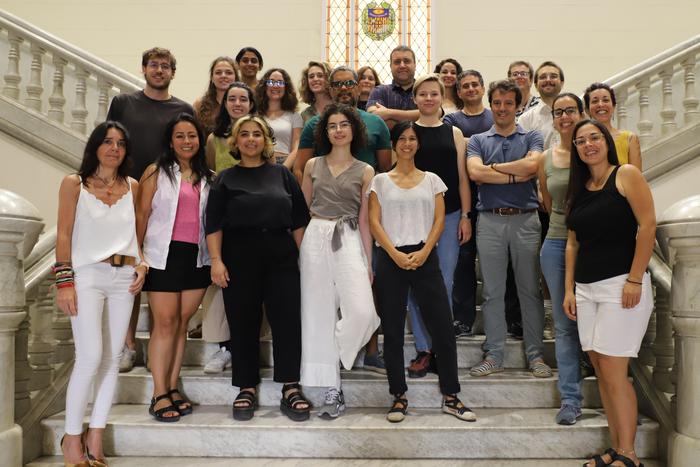
Addressing this mechanism of immune escape, researchers from the Josep Carreras Leukaemia Research Institute and Hospital 12 de Octubre – CNIO undertook pioneering experimental work to develop a dual-targeted CAR-T cell therapy. Led by Dr. Pablo Menéndez, Dr. Clara Bueno, and Dr. Luis Álvarez Vallina, the team designed genetically modified T-cells capable of simultaneously targeting two distinct B-ALL surface antigens: CD19 and CD22. CD22 serves as an alternative, non-overlapping marker consistently present on leukemic blasts, presenting a rational target to complement CD19.
The innovation lies in the sophisticated engineering of the CAR-T cells to combine two complementary strategies within a single therapeutic agent. These CAR-T cells deploy a conventional chimeric antigen receptor construct directed against CD22, facilitating direct cytotoxic engagement of leukemic populations expressing this marker. Simultaneously, these engineered T-cells secrete a bispecific T-cell engager (BiTE) molecule focused on recruiting endogenous T-cells—irrespective of their CAR-T status—towards the CD19 antigen on the tumor cells. This dual mechanism effectively "double-dips" the immune response, enhancing both precision and breadth of leukemic cell targeting.
This approach leverages the unique strengths of both CAR-T technology and bispecific antibody therapy. CAR-T cells offer the advantage of long-lived persistence and sustained cytotoxicity, capable of trafficking throughout the body to eliminate malignancies. In contrast, bispecific antibodies function as bridges that physically tether cytotoxic T-cells to cancer cells, promoting potent immune synapse formation and rapid tumor cell lysis. By integrating BiTE secretion within CAR-T cells, the therapy amplifies immune activation and recruitment, mitigating the risk of tumor cells escaping immune surveillance through antigen loss variants.
Preclinical in vitro investigations revealed that these dual-targeting CAR-T cells markedly improved leukemic control compared to single-antigen targeting counterparts. The bispecific engagement significantly increased the recruitment and activation of bystander T-cells to CD19-expressing leukemia cells, while the direct CD22 CAR-mediated cytotoxicity ensured clearance of leukemic clones that had escaped CD19 targeting. Importantly, this led to prolonged control of leukemic growth and potential reduction in relapse incidence.
Published in the Journal for ImmunoTherapy of Cancer and co-authored by Javier Arroyo Ródenas and Aïda Falgàs, the study marks a pioneering step towards next-generation CAR-T immunotherapies that circumvent antigen escape mechanisms—one of the most formidable barriers to durable remission in relapsed B-ALL. The researchers emphasize that the bifunctional design could redefine treatment paradigms, offering renewed hope for pediatric patients facing limited options after relapse.
The success of this experimental study underscores the importance of multi-antigen targeting within immuno-oncology, particularly in hematological malignancies where antigen heterogeneity and plasticity fuel therapeutic resistance. By harnessing the endogenous immune system’s full cytotoxic potential and imparting long-term surveillance capacity, these "armored" CAR-T cells embody a strategic advance in precision medicine.
Furthermore, the modular construction of these CAR-T cells facilitates adaptability; the BiTE component secreted could theoretically be re-engineered to target alternative tumor-specific antigens or combined with additional immune-stimulatory molecules. This flexibility paves the way for bespoke immunotherapies tailored to diverse malignancies characterized by complex antigenic landscapes.
This research was made possible through funding by several esteemed institutions, including the European Commission’s ERC program, multiple Spanish governmental bodies, regional funds from the Generalitat de Catalunya and Comunidad de Madrid, as well as private entities dedicated to cancer research. Such robust support reflects the growing recognition that innovative immunotherapy solutions are crucial to addressing unmet clinical needs in childhood cancers.
As this CAR-T and bispecific antibody fusion approach progresses towards clinical translation, its implications extend beyond B-ALL. Similar dual-targeting strategies may be exploited for other refractory hematologic cancers and solid tumors notorious for evading mono-targeted immunotherapies. The future of cancer treatment undoubtedly lies in combinatorial immunotherapeutic designs that enhance efficacy while mitigating resistance.
Overall, this study presents a timely, technologically sophisticated immunotherapeutic platform with the potential to transform leukemia care. Its dual targeting mechanism heralds a paradigm shift toward more resilient, lasting remissions for children afflicted with one of the most prevalent and deadly pediatric cancers. Ongoing research and eventual clinical trials will determine its full impact on patient survival and quality of life worldwide.
News Publication Date: 30-Apr-2025
Web References:
https://doi.org/10.1136/jitc-2024-009048
References:
Arroyo-Ródenas J, Falgàs A, Díez-Alonso L, et al. “CD22 CAR-T cells secreting CD19 T-cell engagers for improved control of B-cell acute lymphoblastic leukemia progression”. Journal for ImmunoTherapy of Cancer. 2025;13:e009048. doi:10.1136/jitc-2024-009048
Cite Scienmag News
Nathaniel Bowman. (May 27, 2025). Enhanced Dual-Action Immunotherapy in CAR-T Cells Boosts Control of B-ALL Progression. Scienmag. https://scienmag.com/enhanced-dual-action-immunotherapy-in-car-t-cells-boosts-control-of-b-all-progression/
Nathaniel Bowman. "Enhanced Dual-Action Immunotherapy in CAR-T Cells Boosts Control of B-ALL Progression." Scienmag, 27 May 2025, https://scienmag.com/enhanced-dual-action-immunotherapy-in-car-t-cells-boosts-control-of-b-all-progression/. Accessed 5 September 2026.
Nathaniel Bowman. "Enhanced Dual-Action Immunotherapy in CAR-T Cells Boosts Control of B-ALL Progression." Scienmag. May 27, 2025. https://scienmag.com/enhanced-dual-action-immunotherapy-in-car-t-cells-boosts-control-of-b-all-progression/


