


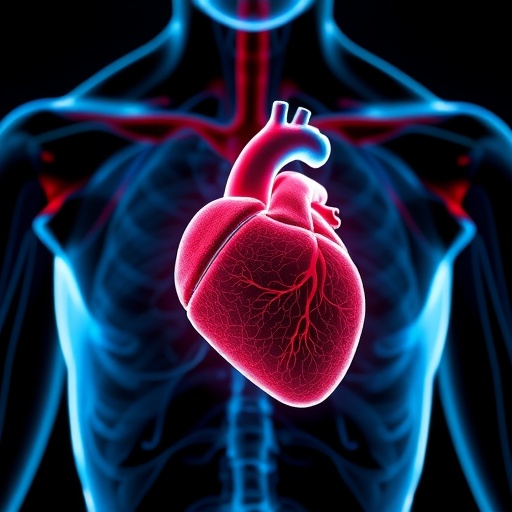
Since the landmark EMPA-REG OUTCOME trial, sodium–glucose cotransporter 2 (SGLT2) inhibitors have rapidly shifted from diabetes drugs to a central strategy for cardiovascular–kidney–metabolic protection. A growing body of clinical evidence now links empagliflozin and its class members to fewer hospitalizations for heart failure, slower progression of chronic kidney disease, and reduced cardiovascular death across diverse patient groups.
A new Review in Nature Reviews Cardiology synthesizes what is known about why these agents work so consistently, even though the full mechanistic picture remains incomplete. The authors describe empagliflozin’s benefits as the product of multiple, interlocking pathways rather than a single “magic bullet.” In other words, the drug appears to act on several biological systems that converge on cardiac and renal resilience.
On the hemodynamic front, the Review highlights how SGLT2 inhibitors may alter fluid balance and vascular dynamics in ways that relieve cardiac stress. That vascular effect then connects to broader changes in endothelial function, where improved vascular signaling can support healthier blood flow and reduce downstream injury.
Metabolic and cellular energy pathways also feature prominently. Rather than relying solely on glucose availability, SGLT2 inhibitors seem to promote mitochondrial bioenergetics improvements, including greater mitochondrial activity and enhanced substrate flexibility. This shift may help cardiac and renal cells maintain energy homeostasis under stress.
The Review further links these effects to reduced maladaptive remodeling of the heart. By interfering with processes that drive progression from initial insult to long-term structural deterioration, empagliflozin may preserve function and limit the trajectory toward worsening heart disease.
Looking ahead, the next decade will be defined by closing evidence gaps. The Review points to key uncertainties in populations facing advanced kidney failure and in cardio-oncology, where cancer treatments and cardiovascular risk intersect in complex ways.
Equally important will be how SGLT2 inhibitors fit into real-world therapeutic sequencing. The Review emphasizes integration with other guideline-directed treatments, aiming to optimize combinations, timing, and long-term implementation in routine clinical care.
Taken together, the message is clear: SGLT2 inhibitors have moved beyond glycemic control into a multi-target framework for organ protection, and future research will focus on translating mechanistic insights into more precise, broadened patient benefit.
Cite Scienmag News
Ophelia Keating. (July 27, 2026). Empagliflozin and Other SGLT2 Inhibitors Show Cardioprotective Benefits. Scienmag. https://scienmag.com/empagliflozin-and-other-sglt2-inhibitors-show-cardioprotective-benefits/
Ophelia Keating. "Empagliflozin and Other SGLT2 Inhibitors Show Cardioprotective Benefits." Scienmag, 27 July 2026, https://scienmag.com/empagliflozin-and-other-sglt2-inhibitors-show-cardioprotective-benefits/. Accessed 3 September 2026.
Ophelia Keating. "Empagliflozin and Other SGLT2 Inhibitors Show Cardioprotective Benefits." Scienmag. July 27, 2026. https://scienmag.com/empagliflozin-and-other-sglt2-inhibitors-show-cardioprotective-benefits/


