


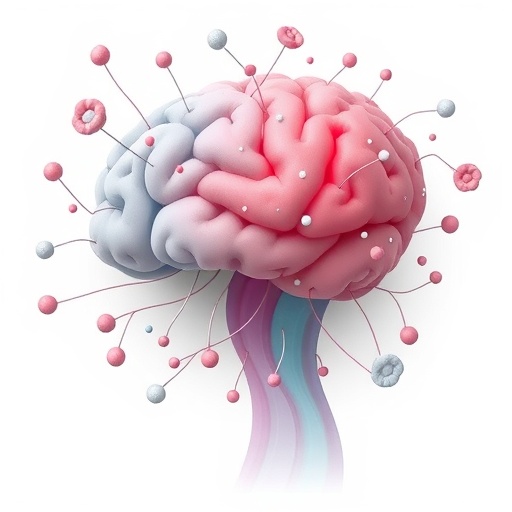
In a groundbreaking systematic review published in BMC Psychology, researchers have embarked on an intricate exploration of emotion regulation mechanisms implicated in Premenstrual Dysphoric Disorder (PMDD) and Premenstrual Syndrome (PMS). This comprehensive analysis synthesizes current findings to illuminate the complex neurobiological and psychological processes that underlie the profound emotional disturbances experienced by millions of women worldwide during the luteal phase of the menstrual cycle.
PMDD and PMS represent two points on a spectrum of menstrual-related mood disorders characterized by emotional dysregulation that significantly impairs daily functioning. While PMS affects a broad population with relatively mild symptoms, PMDD constitutes a severe psychiatric condition with debilitating affective symptoms including irritability, depression, and anxiety. Understanding the nuances of emotion regulation within these disorders is pivotal for advancing therapeutic interventions and improving quality of life for sufferers.
The review meticulously collates data from neuroimaging studies, behavioral assessments, and experimental paradigms focusing on cognitive reappraisal, suppression, and other emotion regulation strategies. These strategies are essential processes by which individuals modulate the intensity, duration, and expression of their emotional responses. Alterations in these processes in PMDD and PMS suggest a disruption in the homeostatic balance maintained by brain networks responsible for affective control.
One of the key findings highlighted is the aberrant functional connectivity in limbic system regions such as the amygdala and prefrontal cortex, which govern emotional appraisal and regulation. The reviewed neuroimaging results indicate hyperactivity of the amygdala in response to negative emotional stimuli among women with PMDD, suggesting heightened emotional reactivity. Concurrently, hypoactivation of the dorsolateral prefrontal cortex underscores impaired top-down modulation, impairing the capacity to attenuate mood swings through cognitive regulatory strategies.
Beyond neural circuitry, the review delves into endocrine underpinnings, spotlighting the role of fluctuations in gonadal hormones—primarily estrogen and progesterone—and their metabolites like allopregnanolone. These hormonal shifts influence gamma-aminobutyric acid (GABA)ergic transmission, which mediates inhibitory control within emotion regulation circuits. Women with PMDD exhibit altered sensitivity to these neurosteroids, leading to compromised inhibitory signaling and consequently heightened affective symptoms.
The intricate interplay of neurochemistry and functional brain architecture uncovered in this review also extends to the hypothalamic-pituitary-adrenal (HPA) axis. Dysregulation of this stress-responsive system appears to exacerbate symptom severity by facilitating maladaptive stress responses that potentiate emotional volatility during the premenstrual period.
In addition to biological contributors, psychological factors such as trait-level anxiety, rumination, and maladaptive coping strategies are scrutinized for their role in modulating the severity and chronicity of premenstrual symptoms. The review elaborates on how deficits in cognitive reappraisal capacity—the ability to reinterpret negative stimuli in a less distressing manner—are pronounced in PMDD, leading to sustained emotional distress.
Moreover, the systematic review assesses therapeutic interventions aimed at restoring emotion regulation capacities. Cognitive-behavioral therapy (CBT), particularly modules tailored to enhance reappraisal and reduce catastrophic thinking, are shown to yield promising outcomes. Pharmacological treatments targeting serotonergic and GABAergic systems also demonstrate efficacy by modulating underlying neurochemical imbalances contributing to emotion dysregulation.
Intriguingly, the review points toward future directions involving neuromodulatory approaches such as transcranial magnetic stimulation (TMS) targeting prefrontal regulatory regions to rectify dysfunctional neural connectivity. This burgeoning field opens new horizons for personalized medicine strategies in treating PMDD and severe PMS.
Importantly, the reviewed literature emphasizes the heterogeneity in symptom presentation and neurobiological markers within PMDD and PMS populations, underscoring the need for stratified diagnostic criteria and individualized treatment algorithms rather than a one-size-fits-all approach.
The authors also address methodological considerations prevalent in current studies, including small sample sizes, variability in diagnostic criteria, and lack of longitudinal designs that limit the generalizability and causal inferences regarding emotion regulation disturbances in premenstrual disorders.
Given the profound psychosocial burden imposed by PMDD and PMS, this systematic review offers a clarion call for intensified multidisciplinary research integrating neurobiology, endocrinology, psychology, and psychiatry. Only through such integrative efforts can we unravel the multifaceted etiology of these disorders and foster the development of more effective, targeted interventions.
In summary, this exhaustive review provides compelling evidence that emotion regulation disturbances in PMDD and PMS stem from a confluence of altered brain network dynamics, neurochemical sensitivities, hormonal fluctuations, and maladaptive cognitive patterns. These insights not only deepen our understanding of the pathophysiology of premenstrual disorders but also chart a transformative course toward innovative treatments that could dramatically enhance patient outcomes.
As the scientific community advances in decoding the complexities of female reproductive mental health, this study exemplifies the importance of bridging basic neuroscience with clinical application. By shedding light on emotional dysregulation mechanisms in PMDD and PMS, it serves as a seminal reference point for future research, advocacy, and clinical practice aimed at alleviating the invisible yet severe suffering endured by countless women globally.
For individuals and clinicians alike, the implications of this research resonate deeply. Recognizing and addressing the emotional dimension of premenstrual disorders as a central therapeutic target promises not only symptom relief but also empowerment of women in managing their mental health across the menstrual cycle.
This publication stands as a pivotal milestone, articulating the urgency for heightened awareness, refined diagnostic paradigms, and the development of personalized therapeutic frameworks that prioritize emotion regulation restoration. Through ongoing innovation and research, the debilitating grip of PMDD and PMS may one day be substantially diminished, ushering in a new era of hope and healing for affected women worldwide.
Cite Scienmag News
Glenn Wilkins. (November 27, 2025). Emotion Regulation in Premenstrual Disorders: New Insights. Scienmag. https://scienmag.com/emotion-regulation-in-premenstrual-disorders-new-insights-2/
Glenn Wilkins. "Emotion Regulation in Premenstrual Disorders: New Insights." Scienmag, 27 November 2025, https://scienmag.com/emotion-regulation-in-premenstrual-disorders-new-insights-2/. Accessed 6 September 2026.
Glenn Wilkins. "Emotion Regulation in Premenstrual Disorders: New Insights." Scienmag. November 27, 2025. https://scienmag.com/emotion-regulation-in-premenstrual-disorders-new-insights-2/


