


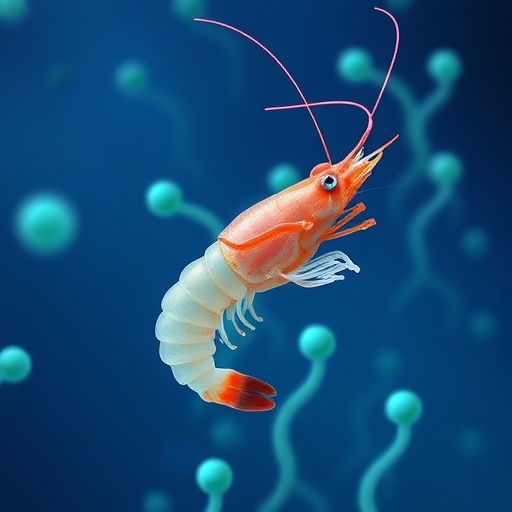
In a groundbreaking study, researchers have uncovered alarming findings regarding the prevalence of multidrug-resistant strains of bacteria within the aquaculture setting of Vietnam, notably the pathogenic Vibrio species infecting the commercially important shrimp species, Litopenaeus vannamei. This research shines a critical light on the health risks associated with aquaculture practices and raises essential questions regarding antibiotic resistance in marine ecosystems.
The emergence of multidrug resistance in bacterial pathogens is an escalating global concern, notably because of its direct implications for public health and food safety. In this particular study, the authors meticulously identified high levels of resistance to commonly used antibiotics among Vibrio spp. They emphasized that such resistance not only diminishes the efficacy of treatment options but also poses a dire threat to aquaculture practices that rely heavily on these pharmaceuticals to maintain shrimp health.
Researchers conducted extensive sampling from Litopenaeus vannamei farming environments, focusing on aquatic bacteria that contribute to disease outbreaks. Their alarming findings revealed a significant prevalence of Vibrio species with high-level resistance to multidrug classes including tetracyclines, aminoglycosides, and beta-lactams. The results arise from the over-reliance on antibiotics in aquaculture, as farmers often administer these treatments to prevent disease in shrimp, which inadvertently promotes resistant bacterial populations.
One of the most startling aspects of this research is the unexpected detection of the mecA gene—an indicator of methicillin resistance—within specific strains of Vibrio spp. This finding is particularly significant as mecA is commonly associated with bacteria like Staphylococcus aureus, but its presence in aquatic environments challenges existing perceptions of how antibiotic resistance genes can transfer across different microbial contexts. Researchers suggest that understanding the dynamics of resistance gene transfer could help develop better management practices within aquaculture to mitigate these threats.
The implications of these findings extend far beyond the aquaculture industry. The presence of antibiotic-resistant bacteria within a crucial food source could lead to serious health complications for consumers, particularly if resistance genes are transferred to human pathogens through the food chain. The researchers stressed that without immediate interventions to address antibiotic overuse in aquaculture, the clock is ticking down on public health.
To combat these rising threats, the researchers advocate for a dual approach that includes both stricter regulation of antibiotic use in aquaculture and the promotion of alternative disease management practices. These alternatives might include the development of vaccines, the use of probiotics, and the implementation of sustainable aquaculture practices that do not rely on chemical additives. The authors articulate that education and awareness among fish farmers about the risks associated with antibiotic misuse is vital in fostering a culture of responsibility in aquaculture.
Additionally, this study underscores the necessity for authorities to monitor and assess antibiotic resistance patterns in aquaculture environments continuously. By evaluating trends in antibiotic resistance, policymakers can develop informed strategies to confine the spread of resistant strains and protect both public health and industry viability. Legislative measures that regulate the types and quantities of antibiotics permissible in aquaculture may prove essential.
The role of environmental factors in the development of antibiotic-resistant bacteria is another area highlighted by this study. Aquatic ecosystems are intricately linked; thus, pollution, habitat degradation, and climate change can exacerbate the issue. Understanding these broader ecological dynamics is critical to developing a comprehensive strategy for resistance management.
By delving into the genetic components of resistance, this research opens the door for further studies investigating how resistance can be mitigated at a genetic level. The research team hopes to use their findings as a foundation for future work aimed at unraveling the genetic mechanisms behind antibiotic resistance, which could lead to innovative solutions that safeguard marine life and human health.
Moreover, this study raises questions about the global implications of local aquaculture practices. As consumer demand for seafood grows alongside concerns for sustainability and health, maintaining safety across the supply chain is crucial. Consumers are increasingly conscientious about the origins of their seafood and the practices involved in its production. Thus, industry transparency regarding antibiotic use and resistance could dictate market trends in the near future.
In conclusion, this research serves as a clarion call for immediate action within the aquaculture sector to address multidrug resistance. The unexpected detection of the mecA gene in Vibrio species presents not only a local challenge in Vietnam’s shrimp farming practices but also a potential global health threat. To sustain the aquaculture industry and protect public health, coordinated efforts involving regulation, education, and innovative practices must be prioritized.
The study aligns with broader concerns about antibiotic resistance and its multifaceted implications. By bringing these vulnerabilities to the forefront, researchers hope to galvanize support for more responsible practices in the aquaculture industry. As the battle against antimicrobial resistance evolves, monitoring, education, and innovation will be pivotal in ensuring a safer and more sustainable future for both aquaculture and global health.
Cite Scienmag News
Kristina Jarvis. (October 10, 2025). Emerging Drug Resistance in Vibrio spp. from Shrimp. Scienmag. https://scienmag.com/emerging-drug-resistance-in-vibrio-spp-from-shrimp/
Kristina Jarvis. "Emerging Drug Resistance in Vibrio spp. from Shrimp." Scienmag, 10 October 2025, https://scienmag.com/emerging-drug-resistance-in-vibrio-spp-from-shrimp/. Accessed 3 September 2026.
Kristina Jarvis. "Emerging Drug Resistance in Vibrio spp. from Shrimp." Scienmag. October 10, 2025. https://scienmag.com/emerging-drug-resistance-in-vibrio-spp-from-shrimp/


