


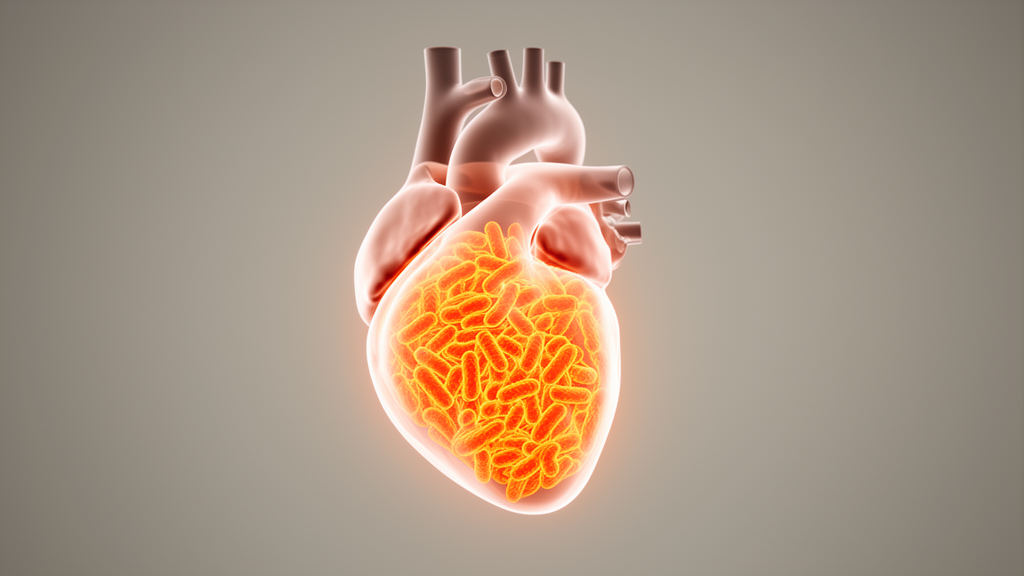
Salk Institute researchers have demonstrated that inducing mild mitochondrial stress during embryonic development in mice confers long-term protection against chemotherapy-induced heart damage in adulthood. Published in Science Advances on September 4, 2026, the study reveals a specific molecular mechanism by which early-life cellular stress leads to lasting resilience. The findings suggest that the process of mitohormesis, where mild stress triggers beneficial adaptive responses, may offer a novel therapeutic avenue for preventing age-related tissue pathology and improving outcomes for patients undergoing toxic treatments.
Mitochondria, often simplified in public understanding as the cell's power plants, function as complex signaling hubs that influence gene expression through epigenetic changes. In various model organisms, including yeast, fruit flies, and worms, mild mitochondrial stress early in life has been shown to enhance organismal resilience and extend lifespan. This phenomenon, known as mitohormesis, presents a paradox: while high levels of mitochondrial reactive oxygen species (ROS) are detrimental, lower levels act as essential signaling molecules that reprogram cellular activity.
The new study extends this understanding from general longevity mechanisms to specific organ protection, focusing on the heart's vulnerability to oxidative stress. The research team, led by senior author Gerald Shadel, PhD, and first author Matthew Donnelly, utilized a mouse model previously developed by Shadel's lab in 2018. In that earlier work, researchers demonstrated that temporarily inhibiting a mitochondrial antioxidant enzyme during embryonic development resulted in livers with more mitochondria and lower ROS production in adulthood.
For the current study, the team applied this same protocol to investigate cardiac protection. They knocked down the mitochondrial antioxidant system in mouse embryos and restored it before birth, allowing the animals to develop normally into adulthood. To test the cardioprotective effects, the adult mice were treated with doxorubicin, a widely used chemotherapy drug known for its efficacy against cancer but also for its significant side effect of cardiotoxicity.
The study found that mice which had experienced embryonic mitochondrial stress were significantly protected from the cardiac toxicity induced by doxorubicin. To uncover the molecular mechanism behind this protection, the researchers shifted their focus from whole animals to mouse embryonic fibroblasts in a controlled laboratory setting. They replicated the mitochondrial stress protocol in these cells and observed the downstream biochemical consequences.
The stress led to the accumulation of superoxide, a specific type of reactive oxygen species. Superoxide is unique among mitochondrial ROS because it cannot leave the mitochondria on its own, which has historically led to its being overlooked as a signaling molecule. However, the study showed that superoxide inhibits a key enzyme in the energy-production process, disrupting a chain of chemical reactions that results in the accumulation of citrate within the mitochondria.
The critical breakthrough in the study was the identification of citrate as a "second messenger" for superoxide. Citrate, which normally remains within the mitochondria, was shown to exit the organelle and be converted into acetyl-CoA. The conversion of citrate to acetyl-CoA initiated a cascade of epigenetic changes that promoted long-lasting cellular protection.
These epigenetic modifications effectively reprogrammed the cells to be more resilient to future stress, establishing a durable defense mechanism that persisted well after the initial embryonic stress had ceased. This mechanism offers new insights into why antioxidant therapies have largely failed in clinical trials. However, the study suggests that ROS, particularly superoxide, play vital signaling roles that are beneficial when present at low levels.
Shadel proposes that a more nuanced approach, such as inducing mitohormesis, could be more effective. This strategy would enact a global program that affects both mitochondria and several antioxidant systems simultaneously, rather than simply removing potential threats. The implications of these findings extend beyond chemotherapy protection to the broader field of healthy aging.
Since mitohormesis has been shown to delay aging and extend lifespan in model organisms, the study sets the stage for future research into how this process can be harnessed to promote general tissue health. The researchers suggest that inducing mitohormesis after embryonic development, or using citrate directly, could potentially delay aging in mammals by globally protecting tissues and organs against age-related declines. The study highlights the complex interplay between mitochondrial function, oxidative stress, and epigenetic regulation.
By identifying citrate as a key mediator of superoxide signaling, the researchers have uncovered a previously unappreciated aspect of mitochondrial communication. This discovery not only explains the mechanism behind the observed cardioprotection but also provides a potential target for developing new therapeutic strategies.
Subject of Research: Mechanism of mitochondrial superoxide-induced mitohormesis and cardioprotection in mice
Article Title: How can stressed mitochondria actually protect your heart?
Article References: How can stressed mitochondria actually protect your heart?. Original publication (Bibliographic details unavailable.)
Image Credits: AI Generated
DOI: Not provided
Keywords: mitochondria, mitohormesis, cardiotoxicity, doxorubicin, epigenetics, citrate, superoxide, Salk Institute, aging, chemotherapy, stressed, actually
Cite Scienmag News
Juliet Wilcox. (October 24, 2026). Embryonic Mitochondrial Stress Shields Adult Hearts From Chemo Damage. Scienmag. https://scienmag.com/embryonic-mitochondrial-stress-shields-adult-hearts-from-chemo-damage/
Juliet Wilcox. "Embryonic Mitochondrial Stress Shields Adult Hearts From Chemo Damage." Scienmag, 24 October 2026, https://scienmag.com/embryonic-mitochondrial-stress-shields-adult-hearts-from-chemo-damage/. Accessed 24 October 2026.
Juliet Wilcox. "Embryonic Mitochondrial Stress Shields Adult Hearts From Chemo Damage." Scienmag. October 24, 2026. https://scienmag.com/embryonic-mitochondrial-stress-shields-adult-hearts-from-chemo-damage/


