


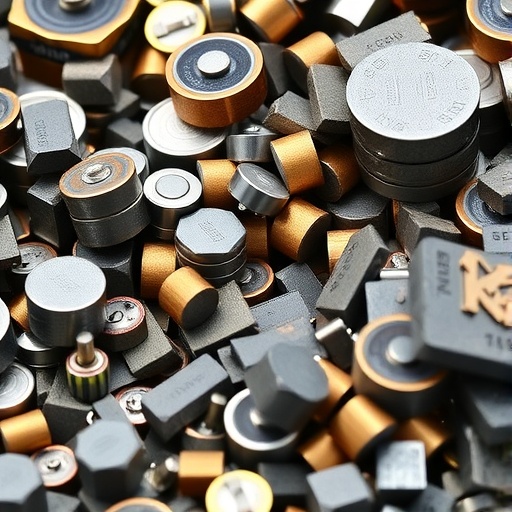
In a groundbreaking study, researchers Zheng, Chen, Wang, and their colleagues have ventured into the vital realm of sustainable technology by developing an efficient method for salvaging valuable materials from discarded lithium-ion batteries, specifically pouch cells. As global reliance on electronic devices continues to escalate, so does the urgency to find effective solutions for managing the waste produced by these technologies. The research, titled “Process study for the efficient separation of nickel cobalt manganese ternary cathode materials from discarded pouch lithium-ion batteries,” marks a significant step toward a more circular economy in the battery sector, aligning with increasing regulatory pressures and consumer demand for sustainability.
The study highlights an innovative approach to separating the critical nickel, cobalt, and manganese (NCM) materials utilized in the cathodes of lithium-ion batteries. These elements are essential for the production of high-performance batteries required for electric vehicles and renewable energy storage systems. As demand for such technologies surges, the importance of resource recovery becomes increasingly clear. This research aims not only to mitigate environmental risks associated with battery waste but also to alleviate the pressure on raw material supplies critical to battery production.
A core element of the study is the development of a novel separation process that employs advanced hydrometallurgical techniques. These methods capitalize on the unique chemical properties of NCM materials, allowing for their efficient extraction from the battery residues. The research team meticulously assessed various chemical agents and operational conditions to optimize the separation efficiency. Their findings suggest that the selected process can achieve high recovery rates of nickel, cobalt, and manganese, highlighting its potential effectiveness in commercial applications.
Moreover, this research underscores the challenges faced in the recycling industry regarding purity and recovery rates. Traditional methods often fall short, resulting in a significant loss of materials and creating economic disincentives for recycling efforts. By enhancing the separation process, Zheng and colleagues hope to pave the way for increased profitability in the recycling sector, incentivizing companies to invest in greener practices.
The escalating demand for electric vehicles and energy storage solutions underscores the necessity of establishing robust recycling protocols. With millions of lithium-ion batteries reaching their end of life each year, the environmental impact of improper disposal is profound. The researchers emphasize that developing efficient recovery methods for battery materials is paramount in reducing landfill waste and conserving natural resources, thus promoting environmental sustainability.
In addition, the study is positioned within the larger context of global initiatives aiming to reduce carbon emissions and promote the use of renewable energy. By recovering valuable materials from discarded batteries, the researchers are contributing to a more sustainable energy ecosystem. The transition to electric mobility and renewable energy storage solutions cannot be fulfilled without addressing the lifecycle of battery materials, making this research timely and relevant.
The implications of this research extend beyond environmental benefits; they also hold significant economic potential. The recovery of nickel, cobalt, and manganese from discarded batteries could lead to reduced dependency on imported raw materials, enhancing national energy security. Recycling operations could stimulate job creation in the green technology sector, further contributing to economic growth while addressing environmental concerns.
Importantly, this work lays the groundwork for future investigations into battery recycling methods, inspiring further academic exploration in the field. With ongoing advancements in material science and engineering, researchers are encouraged to seek innovative solutions to the challenges posed by battery waste. This study serves as a clarion call for collaboration across industries, urging stakeholders to engage in responsible resource management practices.
The publication of these findings is poised to generate interest within both academic circles and the wider community, particularly among policymakers and industry leaders. The compelling evidence supporting the economic and environmental benefits of efficient battery material recovery can serve as a catalyst for legislative action and investment in recycling infrastructure. As awareness of environmental issues rises, public pressure may further drive the adoption of sustainable practices across industries.
In conclusion, the research conducted by Zheng, Chen, Wang, and their team offers a promising glimpse into the future of battery recycling. Their innovative approach to separating valuable materials from discarded lithium-ion batteries not only contributes to environmental sustainability but also holds the potential for significant economic benefits. The importance of this work cannot be overstated as we navigate the challenges of a rapidly changing world where technological advancements must harmonize with ecological preservation. As further studies emerge in this domain, the journey towards a more sustainable and circular battery economy continues to evolve.
In summary, this research signifies a crucial step towards enhancing the efficiency of material recovery from lithium-ion batteries—a step that is not only essential for advancing sustainable technology but also for ensuring the longevity and viability of the electric vehicle and renewable energy sectors.
Zheng, B., Chen, M., Wang, W. et al. Process study for the efficient separation of nickel cobalt manganese ternary cathode materials from discarded pouch lithium-ion batteries.
Ionics (2025). https://doi.org/10.1007/s11581-025-06801-4
Cite Scienmag News
Faith Mcneil. (October 28, 2025). Efficiently Isolating Nickel Cobalt Manganese from Battery Waste. Scienmag. https://scienmag.com/efficiently-isolating-nickel-cobalt-manganese-from-battery-waste/
Faith Mcneil. "Efficiently Isolating Nickel Cobalt Manganese from Battery Waste." Scienmag, 28 October 2025, https://scienmag.com/efficiently-isolating-nickel-cobalt-manganese-from-battery-waste/. Accessed 5 September 2026.
Faith Mcneil. "Efficiently Isolating Nickel Cobalt Manganese from Battery Waste." Scienmag. October 28, 2025. https://scienmag.com/efficiently-isolating-nickel-cobalt-manganese-from-battery-waste/


