


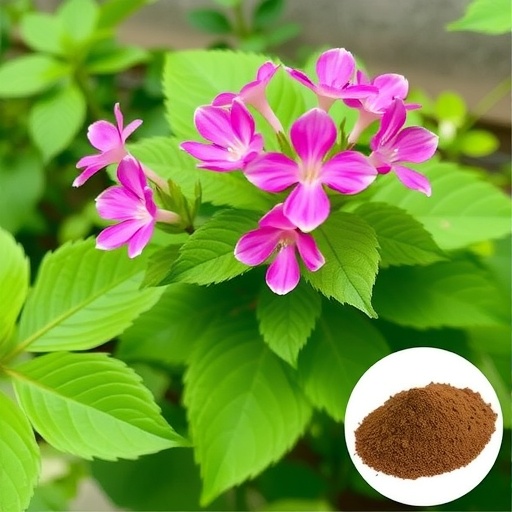
In recent years, the need for sustainable and eco-friendly extraction methods has gained significant momentum in the field of natural product chemistry. The pursuit of innovative methods to extract bioactive compounds — specifically antioxidants — from plant sources has become a focal point for researchers. Among the myriad of plant species under investigation, Catharanthus roseus has emerged as a renowned candidate. This ornamental plant, also known as the Madagascar periwinkle, is not only cherished for its beauty but also revered for its medicinal properties. Groundbreaking research has now identified deep eutectic solvents (DES) as promising agents for the extraction of antioxidants from this plant.
Describing deep eutectic solvents, they are characterized by their ability to dissolve a variety of substances while being non-toxic, biodegradable, and environmentally benign. These solvents comprise a mixture of hydrogen bond donors and acceptors, which interact to create a liquid phase exhibiting unique properties. Their low vapor pressures and thermal stability make them ideal for a range of extraction processes, particularly where traditional organic solvents fall short. This innovation aligns with global trends aimed at minimizing the environmental footprint of chemical processes, particularly in industries such as pharmaceuticals and nutraceuticals.
The research highlighted in the recent work by Sharma et al. presents a comprehensive analysis of using DES for extracting valuable antioxidants from Catharanthus roseus. Antioxidants serve vital roles in combating oxidative stress, a precursor to various chronic diseases such as cancer and cardiovascular conditions. By utilizing DES, the researchers exploit the solvents’ favorable interactions with plant metabolites, leading to enhanced extraction efficiency while maintaining the integrity of sensitive compounds.
Through a series of experiments, the study meticulously details how different DES compositions can influence extraction yields. This research not only signifies the shift toward greener extraction techniques but also opens avenues for optimizing formulations tailored to the specific phytochemical profiles found in Catharanthus roseus. The data suggests that various combinations of choline chloride with urea or other hydrogen-bond-donating agents significantly outperformed conventional extraction methods.
Another essential aspect of this research touches on the safety and sustainability of DES. Traditional organic solvents often pose significant health risks and environmental concerns due to their toxicity and potential for pollution. In contrast, DES are inherently safer, with many components being naturally derived and non-toxic. This shift towards using safer solvents signals a paradigm change in laboratories and industries focused on sustainability, which is increasingly becoming an ethical necessity rather than merely a trend.
The implications of these findings are profound, indicating not just a practical application of DES in extracting antioxidants but also influencing future agricultural and pharmaceutical practices. By unlocking the bioactive potential of Catharanthus roseus, researchers are paving the way for new formulations that could enhance health and wellness across populations. Furthermore, the ability to extract these compounds sustainably positions DES as critical tools for researchers and companies looking to innovate in health-related sectors.
Furthermore, the versatility of DES extends beyond Catharanthus roseus. This study prompts further investigation into a variety of plant species where traditional extraction methods have proven inefficient. The principles discovered regarding solvent combination and extraction efficacy could potentially revolutionize how we extract not just antioxidants but numerous phytochemicals across various botanical sources.
Crucially, the study encourages a focus on not only the extraction but also the subsequent application of these antioxidants in product development. The pharmaceutical and nutraceutical industries can take significant strides using antioxidant formulations derived from plant sources, reducing reliance on synthetic alternatives that often carry health risks. By understanding the efficacy and safety of bioactive compounds derived from plants, industries can better position themselves in the market while also contributing to public health.
As the conversation around natural products continues to grow, so too does the focus on sustainability. The findings from Sharma et al. exemplify how interdisciplinary research combining chemistry, botany, and environmental science can yield innovative solutions to longstanding challenges in extraction methodologies. Engaging in this kind of research not only addresses immediate scientific inquiries but also aligns with broader societal goals, emphasizing the importance of protecting our environmental resources.
As public interest in natural health products continues to surge, studies like this play an essential role in validating the efficacy of plant-derived compounds. Consumers increasingly prefer products derived from natural sources, driven by the desire for cleaner, greener options in health and beauty. This alignment of consumer values with scientific research presents unique opportunities for market growth in natural products.
In conclusion, the study of deep eutectic solvents in extracting antioxidants from Catharanthus roseus not only signifies a significant advance in extraction technology but also represents broader societal shifts toward sustainability in health and wellness. The potential impacts of this research are vast, opening doors to a healthier future grounded in nature’s bounty, all while prioritizing the health of our planet.
The promise that deep eutectic solvents hold not only for antioxidants in Catharanthus roseus but for the broader field of natural product extraction is undeniable. As a result, we anticipate a rapid adoption of these methods across various sectors aiming to extract and utilize plant-based compounds effectively. The natural world remains a source of endless discovery, and innovations such as these will continue to redefine our approaches to health, sustainability, and conservation in the years to come.
Furthermore, as research evolves, so will the understanding of the myriad interactions occurring at the molecular level during the extraction process. Future studies will be essential in elucidating these intricate mechanisms, ensuring that the promise of sustainability is met with efficacy and safety in real-world applications.
In summary, the exploration of deep eutectic solvents and their application to Catharanthus roseus heralds a timely momentum for green chemistry and eco-friendly approaches in the extraction of bioactive compounds. The ongoing dialogue between research, industry, and consumers will likely shape a new standard for health products, ushering in an era defined by integrity, sustainability, and a profound respect for nature’s offerings.
Sharma, P., Kaur, R. & Kaur, A. Deep eutectic solvents as eco-friendly agents for unlocking antioxidants from Catharanthus roseus.
Discov. Plants 2, 242 (2025). https://doi.org/10.1007/s44372-025-00328-8
Cite Scienmag News
Alan Morgan. (September 1, 2025). Eco-Friendly Deep Eutectic Solvents Extract Antioxidants from Catharanthus roseus. Scienmag. https://scienmag.com/eco-friendly-deep-eutectic-solvents-extract-antioxidants-from-catharanthus-roseus/
Alan Morgan. "Eco-Friendly Deep Eutectic Solvents Extract Antioxidants from Catharanthus roseus." Scienmag, 1 September 2025, https://scienmag.com/eco-friendly-deep-eutectic-solvents-extract-antioxidants-from-catharanthus-roseus/. Accessed 5 September 2026.
Alan Morgan. "Eco-Friendly Deep Eutectic Solvents Extract Antioxidants from Catharanthus roseus." Scienmag. September 1, 2025. https://scienmag.com/eco-friendly-deep-eutectic-solvents-extract-antioxidants-from-catharanthus-roseus/


