


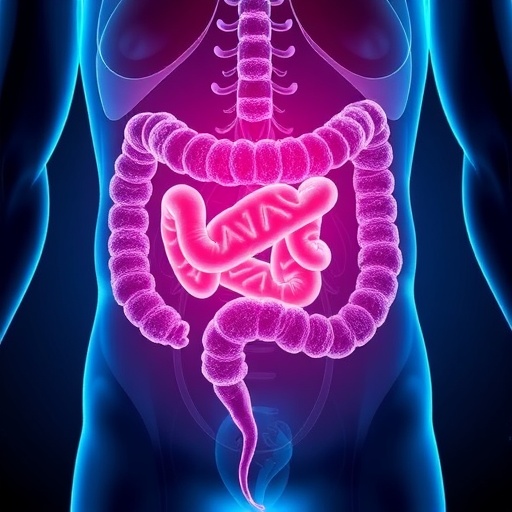
In a groundbreaking study, researchers have unveiled the intricate relationship between dipalmitoylphosphatidylcholine (DPPC) and colorectal cancer (CRC) progression. This research, leveraging multi-omics technologies and advanced machine learning methodologies, provides compelling evidence that DPPC plays a pivotal role in the dynamics of tumor development and the remodeling of its immune microenvironment. The study, appearing in the journal J Transl Med, highlights not only the biochemical pathways through which DPPC exerts its effects but also offers new avenues for therapeutic interventions targeting this phospholipid.
Colorectal cancer, one of the leading causes of cancer-related mortality worldwide, presents a complex biological challenge. Traditional understanding of CRC has emphasized genetic mutations and environmental factors; however, recent insights into the tumor microenvironment have shifted the focus toward lipid metabolism and its contributions to cancer progression. DPPC, a surfactant phospholipid predominantly found in biological membranes, has been observed in increasing concentrations within the tumor microenvironment of CRC patients. This study meticulously dissects the mechanisms by which DPPC influences both tumor cells and the surrounding immune landscape.
The researchers utilized a robust multi-omics framework that included genomics, transcriptomics, proteomics, and metabolomics, thus enabling a comprehensive analysis of the biochemical interplay within the tumor microenvironment. By integrating these diverse data types, the study offers a panoramic view of how elevated levels of DPPC are associated with altered metabolic signatures in CRC. The findings underscore the critical role of lipid metabolites in reshaping tumor biology and highlight the need to consider metabolic deregulation in cancer research and treatment.
Machine learning algorithms played a central role in discerning patterns from the vast datasets generated, allowing the researchers to predict CRC patient outcomes based on lipid profiles. These predictive models could revolutionize personalized medicine by enabling clinicians to tailor specific interventions to patients based on their unique metabolic landscapes. The team’s ability to correlate high DPPC levels with poorer prognoses sets a precedent for investigating other lipids as potential biomarkers for CRC.
In their analysis, the researchers observed that DPPC not only supports the proliferation of tumor cells but also modulates the immune response within the tumor microenvironment. This dual function raises intriguing questions about the potential of DPPC as a therapeutic target. By inhibiting DPPC synthesis or signaling pathways, there exists the possibility of disrupting the supportive niche that tumors rely upon for growth and immune evasion.
Moreover, the study highlights the complexity of lipid interactions within the tumor microenvironment. DPPC is not acting in isolation; rather, it is part of a broader lipidomic landscape that influences tumor behavior. Understanding the interplay between DPPC and other lipids may yield critical insights into the intricate mechanisms of CRC progression and facilitate the development of combination therapies that simultaneously target multiple pathways.
The implications of this research extend beyond colorectal cancer, as lipid metabolism plays a fundamental role in various cancers. By elucidating the mechanisms through which DPPC contributes to tumor dynamics, this study provides a valuable model for exploring lipid roles in other malignancies. The cross-disciplinary approach utilized in this research reflects the necessity of integrating molecular biology, medicinal chemistry, and computational biology for advancing cancer therapies.
Further inquiries are warranted to determine the exact pathways through which DPPC influences immune cell function and tumor behavior. The potential for targeting DPPC-related pathways presents an exciting opportunity for the development of novel therapeutic strategies. With the emergence of precision medicine, identifying lipid signatures associated with tumorigenesis could empower oncologists to devise more effective treatment plans tailored to individual metabolic profiles.
As the research community continues to unravel the complexities of cancer biology, studies like this serve as critical reminders of the importance of holistic approaches. The integration of multi-omics data offers a treasure trove of information that can elucidate the multifaceted nature of cancer. As researchers delve deeper into the metabolic intricacies of tumors, the potential for novel therapeutic interventions remains vast.
The study by Li and colleagues exemplifies the promise held by innovative research methodologies in uncovering underlying cancer mechanisms. By spotlighting DPPC’s role in colorectal cancer, this pivotal research contributes to a growing body of evidence that emphasizes the significance of metabolic factors in oncogenesis. As science continues to advance, the hope is that such findings will translate into tangible clinical benefits that improve patient outcomes.
In conclusion, the role of DPPC in colorectal cancer progression is becoming increasingly recognized, and this comprehensive study lays the groundwork for further investigations into lipid metabolism as a key player in cancer biology. The intersection of multi-omics approaches and machine learning presents a powerful lens through which we can view complex biological systems, underscoring the importance of continued exploration in this dynamic field.
The fight against colorectal cancer may be on the brink of a transformative breakthrough, with researchers now able to target metabolic pathways in conjunction with traditional therapeutic strategies. DPPC’s newfound prominence in this context may represent a turning point in how we understand and treat this prevalent malignancy. As we look to the future, the integration of lipidomics into routine cancer research could greatly enhance our ability to combat colorectal cancer and potentially other malignancies.
With ever-increasing insight into the tumor microenvironment and its myriad interactions, a more nuanced understanding of cancer will emerge. As we harness the power of multi-omics and machine learning, the horizon of cancer treatment expands, promising new strategies that not only target tumor cells but also the multifaceted biological systems within which they reside.
Li, X., Dong, H., Jin, Z. et al. Multi-omics and machine learning reveal DPPC as a key contributor to colorectal cancer progression and tumor immune microenvironment remodeling.
J Transl Med (2026). https://doi.org/10.1186/s12967-025-07576-y
Cite Scienmag News
Nathaniel Bowman. (January 4, 2026). DPPC Drives Colorectal Cancer Progression and Immune Change. Scienmag. https://scienmag.com/dppc-drives-colorectal-cancer-progression-and-immune-change/
Nathaniel Bowman. "DPPC Drives Colorectal Cancer Progression and Immune Change." Scienmag, 4 January 2026, https://scienmag.com/dppc-drives-colorectal-cancer-progression-and-immune-change/. Accessed 5 September 2026.
Nathaniel Bowman. "DPPC Drives Colorectal Cancer Progression and Immune Change." Scienmag. January 4, 2026. https://scienmag.com/dppc-drives-colorectal-cancer-progression-and-immune-change/


