


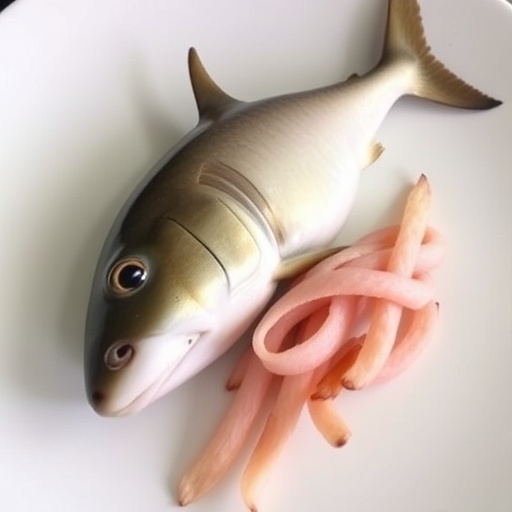
When diners order a piece of “flake” at a fish and chip shop in Western Australia, they are rarely told what species of shark has actually landed on their plate. New research from Murdoch University has now used DNA sequencing to answer that question with unprecedented precision, and the results reveal a seafood labelling landscape that is, at best, opaque and, at worst, actively misleading. In one of the most comprehensive audits of cooked shark products ever conducted in Australia, researchers analysed 167 fried shark fillets purchased from 132 fish and chip shops across the state, spanning a full year of sampling from March 2023 to February 2024.
The scale of the ambiguity is striking. More than half of the products examined—56 percent—were sold under generic or vague labels such as “shark,” “flake,” or simply “fish and chips,” terms that tell the consumer almost nothing about the animal behind the batter. More concerning still, 35 percent of products were outright mislabelled: the species name advertised on the menu or display did not match the species identified through genetic testing. Even when shops did specify a species—advertising “gummy shark” or “bronze whaler,” for example—the DNA analysis showed that the fillet served did not always contain that species. For a consumer trying to make responsible choices about what they eat, the study suggests that the label on a shark fillet in WA is frequently a poor guide to its true identity.
The methodology behind the findings is a classic application of molecular forensics to the seafood trade. Because cooked and processed fillets lose the morphological features—skin texture, fin shape, colouration—that normally allow species identification, the researchers turned to DNA sequencing to identify each sample genetically. From the 167 cooked fillets, they recovered genetic evidence of 16 different species, 11 of which were sharks. Products sold simply as “shark” turned out to be a composite category, encompassing dusky sharks, gummy sharks and whiskery sharks, among others. The genetic diversity hidden behind that single word illustrates just how interchangeable shark fillets are in the commercial supply chain, both in the eyes of processors and, evidently, in the eyes of vendors.
Lead author Dr Md Robiul Hasan of Murdoch University’s Centre for Sustainable Aquatic Ecosystems, in the School of Environmental and Conservation Sciences, said the findings expose a fundamental transparency problem in how seafood reaches the Australian consumer. “Consumers increasingly want to know what species they are eating, where it comes and whether it has been sourced sustainably,” Dr Hasan explained. “Our results show that this information is often unavailable or inaccurate when it comes to cooked shark products sold in fish and chip shops in WA.” The research was conducted in collaboration with the Western Australian Department of Primary Industries and Regional Development (DPIRD), lending regulatory relevance to the academic findings.
The provenance problem extends beyond species identity to geographic origin. Only 26 percent of the products purchased in the study provided any information about where the seafood came from, leaving the vast majority of customers unable to determine whether their dinner was caught locally or imported from fisheries on the other side of the world. This matters for more than just curiosity: origin information underpins assessments of sustainability, food safety, carbon footprint and support for local fishing communities. Without it, even conscientious consumers have no practical means of aligning their purchases with their values.
Importantly, the researchers are careful not to frame the mislabelling as evidence of deliberate fraud. Many of the shark species identified in the study carry similar commercial value, which makes intentional substitution—a practice documented in seafood fraud investigations elsewhere in the world—a less likely explanation. “Mislabelling may reflect the complexity of commercial fishing, seafood processing and supply chains rather than intentional substitution,” Dr Hasan noted. Shark fillets arriving at processing facilities may be sorted inconsistently, relabelled at multiple points in the chain, or sold under regional trade names that do not correspond to formal species designations. In a supply chain that stretches from fishing vessel to fish and chip fryer, opportunities for species confusion accumulate at every step.
The conservation implications of the findings are nuanced but encouraging in part. While international conservation assessments classify some of the species identified in the study as threatened globally, only a single sample contained a species listed as threatened under Australian conservation assessments. Furthermore, the researchers observed that most of the shark products sampled appeared to originate from species associated with Western Australia’s managed shark fisheries—fisheries operating under state regulatory frameworks with catch controls and monitoring. That distinction between global and national conservation status underscores a recurring theme in seafood sustainability: a species may be in serious decline in one region while remaining sustainably harvested in another, which is precisely why accurate species and origin labelling matters so much for interpreting conservation risk.
One of the most telling findings is regional. When the researchers compared their results with similar DNA-based surveys conducted elsewhere in Australia, they found that the shark species being sold in Western Australia differed from those reported in other states. This regional distinctiveness carries two important lessons. First, it suggests that Australia’s shark seafood market is not monolithic—different states draw on different fisheries, supply networks and trade naming conventions. Second, and more practically, it means that findings from a DNA audit in one jurisdiction cannot simply be extrapolated to another. Effective oversight of seafood labelling, the authors argue, requires regional monitoring and testing tailored to each state’s supply chains, rather than reliance on national averages or one-off national studies.
The study, published in the peer-reviewed journal Marine and Freshwater Research, arrives amid growing international scrutiny of seafood mislabelling. DNA-based audits of fish sold in restaurants, markets and takeaway shops around the world have repeatedly found mislabelling rates ranging from modest single figures to well over half of samples, with sharks, tunas and snappers among the most frequently substituted groups. The WA findings place Australia’s takeaway sector squarely within this global pattern, while also highlighting a distinctive local issue: the deep cultural entrenchment of the term “flake,” a broad Australian trade name historically applied to shark flesh that obscures rather than communicates species identity.
What can be done? The researchers put forward a concrete set of policy recommendations. Chief among them is the mandatory use of standardised fish names for cooked seafood products, so that a fillet advertised as gummy shark must, in fact, be gummy shark. They also recommend origin disclosure requirements, ensuring that consumers can see whether their seafood was caught in Australian waters or imported, and routine DNA auditing as a verification mechanism to keep labelling honest over time. Together, these measures would bring cooked seafood into closer alignment with the labelling standards already expected in many other food sectors, where ingredient identity and provenance are legally protected rather than optional courtesies.
“Clearer labelling would help consumers understand exactly what they are buying and support informed decisions about sustainability, health and seafood provenance,” Dr Hasan said. The study’s wider significance may lie in that link between transparency and sustainability. Shark populations worldwide face pressure from overfishing, and the global shark meat trade has expanded in recent decades as demand for alternative protein sources grows. In that context, every point in the supply chain where species identity is lost or obscured also represents a point where enforcement of fishing regulations, catch quotas and conservation protections becomes harder. DNA testing of a humble fried fillet, it turns out, is not merely a curiosity of molecular biology—it is a tool for tracing how well a multibillion-dollar seafood economy actually works.
For now, the message for Western Australian consumers is a pragmatic one: the “flake” in your paper-wrapped parcel may be any of more than a dozen species, and the name on the board is right only about two-thirds of the time. But the researchers’ findings are less a condemnation of fish and chip shops than a roadmap for fixing a system that currently asks vendors to sell and consumers to buy shark products with almost no reliable information attached. With standardised naming, origin disclosure and genetic auditing, the authors argue, Australia’s takeaway seafood sector could offer transparency that matches both consumer expectations and the realities of marine conservation.
Cite Scienmag News
Juliet Wilcox. (September 8, 2026). DNA tests reveal true species in WA fish and chip shark fillets. Scienmag. https://scienmag.com/dna-tests-reveal-true-species-in-wa-fish-and-chip-shark-fillets/
Juliet Wilcox. "DNA tests reveal true species in WA fish and chip shark fillets." Scienmag, 8 September 2026, https://scienmag.com/dna-tests-reveal-true-species-in-wa-fish-and-chip-shark-fillets/. Accessed 8 September 2026.
Juliet Wilcox. "DNA tests reveal true species in WA fish and chip shark fillets." Scienmag. September 8, 2026. https://scienmag.com/dna-tests-reveal-true-species-in-wa-fish-and-chip-shark-fillets/


