

Friday, July 10, 2026
Science
No Result
View All Result
  • Login
  • HOME
  • SCIENCE NEWS
  • CONTACT US
  • HOME
  • SCIENCE NEWS
  • CONTACT US
No Result
View All Result
Scienmag
No Result
View All Result
Home Science News Psychology & Psychiatry

Distinct Spatiotemporal Patterns in Brain Networks Linked to PTSD

July 10, 2026
in Psychology & Psychiatry
Reading Time: 2 mins read
0
Distinct Spatiotemporal Patterns in Brain Networks Linked to PTSD

Distinct Spatiotemporal Patterns in Brain Networks Linked to PTSD

65
SHARES
587
VIEWS
Share on FacebookShare on Twitter
ADVERTISEMENT

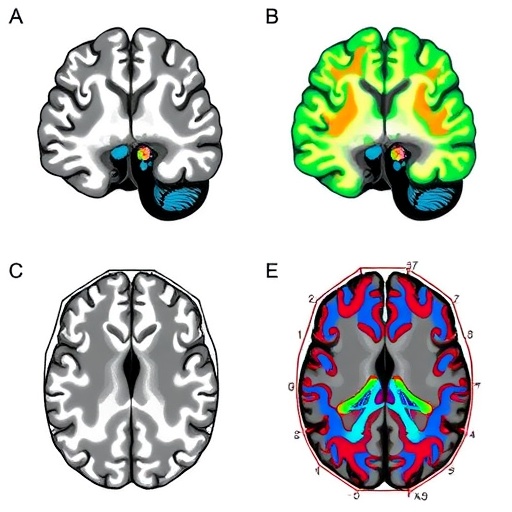
A groundbreaking study published in Translational Psychiatry unveils novel insights into the dynamic brain network alterations characteristic of posttraumatic stress disorder (PTSD). Utilizing advanced neuroimaging techniques, researchers have delineated the spatiotemporal architecture of large-scale functional networks, shedding light on the neural correlates that underpin the debilitating symptoms of PTSD.

Employing resting-state functional magnetic resonance imaging (fMRI), the research team captured temporal fluctuations in brain activity across multiple interconnected regions. This approach allowed the delineation of both spatial configurations and temporal dynamics of functional networks, providing a more comprehensive view of brain organization in PTSD patients compared to traditional static connectivity analyses.

The study identifies distinct alterations in key functional networks, including the default mode network (DMN), salience network (SN), and central executive network (CEN), which are critical for cognitive and emotional regulation. Notably, PTSD subjects exhibited disrupted synchrony within and between these networks, reflecting impaired integration of internal and external information processing that may contribute to hallmark symptoms such as intrusive memories and hypervigilance.

A novel contribution of this work is the emphasis on spatiotemporal features, highlighting not only which brain regions are differently connected but also when and how these connections fluctuate over time. Such dynamic connectivity patterns provide a richer neural signature of PTSD, suggesting that the disorder involves instability in brain network coordination rather than mere static disruptions.

Furthermore, the study leverages sophisticated computational models and graph theoretical metrics to quantify network properties such as modularity, nodal efficiency, and temporal variability. These quantifiable signatures reveal that PTSD networks show reduced efficiency and heightened temporal volatility, indicating compromised information flow and network resilience.

By mapping these functional disruptions onto symptom severity scores, the authors demonstrate robust correlations, advancing the potential for neuroimaging-derived biomarkers that could assist in diagnosing PTSD or tracking treatment response. This opens avenues for precision medicine approaches tailored to neural dysfunction patterns rather than solely clinical presentation.

Overall, this research marks a significant leap in understanding the neurobiological underpinnings of PTSD through the lens of time-varying brain connectivity. It underscores the importance of considering the dynamic nature of brain function in psychiatric disorders, providing a scaffold for future explorations into targeted interventions that restore network stability.

As the field moves forward, integrating longitudinal studies and multimodal imaging may further unravel how trauma reshapes neural circuitry over time. The tools and findings presented here lay a foundation for developing novel diagnostics and therapeutics aimed at the intricate dance of brain networks disrupted in PTSD.

Subject of Research: Posttraumatic Stress Disorder (PTSD) and its neural network alterations

Article Title: Characteristic spatiotemporal features of large-scale functional network architecture in posttraumatic stress disorder

Article References:
Wu, J., Cai, Z., Hudson, L.J. et al. Characteristic spatiotemporal features of large-scale functional network architecture in posttraumatic stress disorder. Transl Psychiatry (2026). https://doi.org/10.1038/s41398-026-04216-x

Image Credits: AI Generated

DOI: https://doi.org/10.1038/s41398-026-04216-x

Tags: brain network alterationscentral executive network in PTSDdefault mode network disruptionsdynamic brain network analysisfunctional connectivity in PTSDneural correlates of PTSD symptomsneuroimaging biomarkers for PTSDPosttraumatic stress disorderresting-state fMRIsalience network changesspatiotemporal brain dynamicstemporal fluctuations in brain activity
Share26Tweet16
Previous Post

New Nanotechnology Switch Halts Cancer Growth and Boosts Immune Attack

Next Post

Meet Professor Zhanshan Wang: A Pioneer in Light Studies

Related Posts

Early-Life Tobacco Exposure Impacts Mental Health and Brain Development Differently by Stage
Psychology & Psychiatry

Early-Life Tobacco Exposure Impacts Mental Health and Brain Development Differently by Stage

July 10, 2026
Genetic Risk Links Suicide Attempts and Alcohol Use Disorder Outcomes
Psychology & Psychiatry

Genetic Risk Links Suicide Attempts and Alcohol Use Disorder Outcomes

July 10, 2026
Genetic Variants Linked to Cognitive Performance in British Birth Cohorts
Psychology & Psychiatry

Genetic Variants Linked to Cognitive Performance in British Birth Cohorts

July 10, 2026
Elevated Neuronal Proteins Linked to Severe Autism and Behavioral Deficits
Psychology & Psychiatry

Elevated Neuronal Proteins Linked to Severe Autism and Behavioral Deficits

July 10, 2026
Reward Pursuit Linked to Anhedonia Improvement After rTMS in Depression
Psychology & Psychiatry

Reward Pursuit Linked to Anhedonia Improvement After rTMS in Depression

July 10, 2026
Spontaneous Thought Patterns Reveal Positive and Negative Emotional States
Psychology & Psychiatry

Spontaneous Thought Patterns Reveal Positive and Negative Emotional States

July 9, 2026
Next Post
Meet Professor Zhanshan Wang: A Pioneer in Light Studies

Meet Professor Zhanshan Wang: A Pioneer in Light Studies

  • Mothers who receive childcare support from maternal grandparents show more

    Mothers who receive childcare support from maternal grandparents show more parental warmth, finds NTU Singapore study

    27656 shares
    Share 11059 Tweet 6912
  • University of Seville Breaks 120-Year-Old Mystery, Revises a Key Einstein Concept

    1061 shares
    Share 424 Tweet 265
  • Bee body mass, pathogens and local climate influence heat tolerance

    682 shares
    Share 273 Tweet 171
  • Researchers record first-ever images and data of a shark experiencing a boat strike

    546 shares
    Share 218 Tweet 137
  • Groundbreaking Clinical Trial Reveals Lubiprostone Enhances Kidney Function

    531 shares
    Share 212 Tweet 133
Science

Embark on a thrilling journey of discovery with Scienmag.com—your ultimate source for cutting-edge breakthroughs. Immerse yourself in a world where curiosity knows no limits and tomorrow’s possibilities become today’s reality!

RECENT NEWS

  • AI Enhanced with Cerebellum-Like Function for Improved Learning
  • New Discovery Promises Brighter, More Energy-Efficient Digital Displays
  • Insilico Medicine and Eli Lilly Lead 13th ARDD Meeting at Harvard
  • Study Examines If Women Truly Excel at Multitasking Compared to Men

Categories

  • Agriculture
  • Anthropology
  • Archaeology
  • Athmospheric
  • Biology
  • Biotechnology
  • Blog
  • Bussines
  • Cancer
  • Chemistry
  • Climate
  • Earth Science
  • Editorial Policy
  • Marine
  • Mathematics
  • Medicine
  • Pediatry
  • Policy
  • Psychology & Psychiatry
  • Science Education
  • Social Science
  • Space
  • Technology and Engineering

Subscribe to Blog via Email

Enter your email address to subscribe to this blog and receive notifications of new posts by email.

Join 5,146 other subscribers

© 2025 Scienmag - Science Magazine

Welcome Back!

Login to your account below

Forgotten Password?

Retrieve your password

Please enter your username or email address to reset your password.

Log In
No Result
View All Result
  • HOME
  • SCIENCE NEWS
  • CONTACT US

© 2025 Scienmag - Science Magazine

Discover more from Science

Subscribe now to keep reading and get access to the full archive.

Continue reading
