

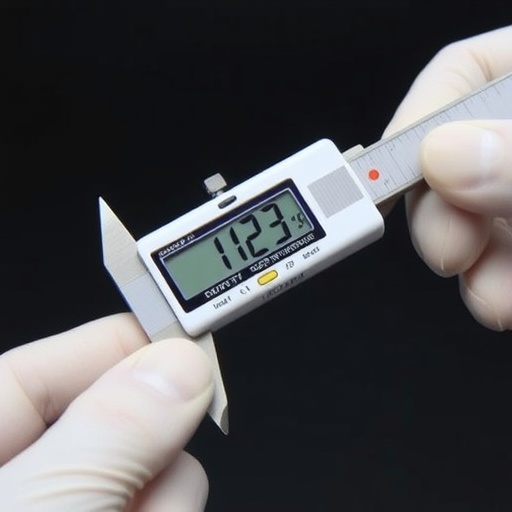
In the realm of allergy testing, particularly with skin prick tests, the quest for accuracy and reliability continues to be paramount. Recent research led by a team of scientists, including Özkaya, Bayazıt, and Erdoğan, delves into a crucial aspect of this testing methodology: the potential benefits of utilizing a digital caliper device. Their groundbreaking study, appearing in BMC Pediatrics, raises pertinent questions regarding the effectiveness of contemporary measurement techniques in allergy diagnosis. By juxtaposing the traditional methods against digital advancements, the researchers aim to illuminate new pathways for enhancing sensitivity and reliability in clinical assessments.
Skin prick tests have long been a staple in allergy diagnosis, offering a straightforward method for determining a patient’s reaction to specific allergens. However, the technique’s effectiveness hinges significantly on the precision of measurement taken during the evaluation process. Traditionally, clinicians have relied on manual calipers or visual inspection to assess the size of wheals formed at the test sites. While these methods have served the medical community well, they are not without limitations, notably in terms of objectivity and reproducibility.
The introduction of digital caliper devices presents an innovative alternative to these conventional practices. These advanced instruments boast enhanced precision, capable of capturing minute variations in size that traditional methods might overlook. This very specificity could lead to a more accurate diagnosis, ultimately improving patient outcomes and enabling tailored treatment plans for those suffering from allergies.
Researchers have indicated that the inconsistencies often seen in traditional measurement approaches can lead to varied interpretations of test results. This variability is concerning, especially since accurate allergy identification is essential for effective management strategies. With the stakes high, the study explores whether a digital caliper could minimize this margin for error, enhancing both sensitivity and reliability.
In clinical environments, where time is often a significant factor, the ease of use associated with digital calipers can also mitigate workflow disruptions. Unlike manual methods that may require additional training or extensive practice to master, these devices are designed for user-friendliness. The intuitive nature could lead to quicker assessments, minimizing the burden on healthcare professionals while also ensuring that patients receive timely medical interventions.
As part of their study, Özkaya and colleagues meticulously analyzed data gathered from a variety of subjects undergoing skin prick testing. The results indicated a discernible trend: those evaluated with digital calipers exhibited a more consistent measurement profile than their counterparts assessed using traditional calipers. This finding underscores the potential of digital technology to transform the landscape of allergy testing, moving it toward a more precision-based approach.
Echoing the sentiments of progress, many in the medical community recognize the essential role of technology in enhancing diagnostic processes. As healthcare increasingly shifts toward the integration of novel technologies, studies such as this provide critical insights into how these tools can directly impact patient care. The results from Özkaya et al.’s research advocate for a rethinking of existing protocols and encourage the adoption of tools that foster accuracy.
It is worth noting that although the findings are promising, continued research is required to validate and standardize the application of digital calipers in clinical settings. The healthcare system must confront potential hurdles such as training personnel and addressing concerns related to the initial costs of implementing new equipment. Moreover, establishing guidelines for use and integrating these methods into existing practices will be crucial for their sustained success.
As attention toward allergies and associated conditions grows globally, the urgency for improved testing methods cannot be overstated. Allergies are now recognized as a public health concern that affects millions of individuals, driving the need for timely and accurate diagnoses. Digital calipers could serve as a catalyst for changing the narrative surrounding allergy testing, offering a modern solution that aligns with the demands of contemporary medical practice.
Chapter by chapter, the implications of this research extend beyond mere numerical accuracy. This study not only addresses the technical aspects of measurement but also raises awareness about the experiences of patients navigating allergy diagnoses. A more reliable testing method can lead to improved management strategies, lessening the burdens on families and individuals who contend with allergies daily.
In conclusion, as the landscape of medical diagnostics evolves, the intersection of technology and healthcare presents exciting potential. The investigative work of Özkaya and their team sheds light on a path forward that may very well revolutionize the way we approach allergy testing. By embracing digital solutions, we could enhance the precision of diagnoses, ensuring better health outcomes and quality of life for patients around the world.
As we anticipate the future of allergy diagnostics, the results of the study invite ongoing exploration and dialogue. How can we further leverage technology in clinical practice? What additional innovations might emerge in the realm of allergy management? While these questions remain open, one thing is clear: the integration of digital caliper devices in evaluating skin prick tests marks a significant step toward a more accurate and reliable future in healthcare.
Subject of Research: The implications of using digital caliper devices in skin prick tests for allergy diagnosis.
Article Title: Could the use of a digital caliper device in reading skin prick tests be more sensitive and more reliable than the classical measurement method?.
Article References:
Özkaya, M., Bayazıt, Z., Erdoğan, B.Ö. et al. Could the use of a digital caliper device in reading skin prick tests be more sensitive and more reliable than the classical measurement method?.
BMC Pediatr (2026). https://doi.org/10.1186/s12887-025-06507-6
Image Credits: AI Generated
DOI:
Keywords: Allergy testing, digital caliper, skin prick test, diagnosis accuracy, clinical research


