


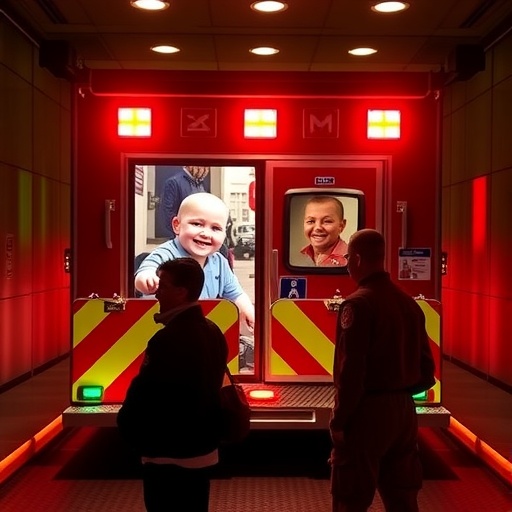
In a groundbreaking study revealing the state of pediatric education within the Finnish paramedic training framework, researchers Kaartinen, Laapio-Rapi, and Kuitunen shed light on the teaching methodologies and educational targets that define paramedic curricula in Finland. The urgency of such investigation stems from the pressing need for competent pediatric care providers in today’s rapidly evolving healthcare landscape. As emergency medical services increasingly find themselves responding to pediatric emergencies, the adequacy of their training in these critical scenarios cannot be overstated.
Finnish paramedic training has traditionally focused on broader adult care, with pediatric care often relegated to supplementary modules. However, with reported increases in incidents involving children requiring emergency intervention, the time has come to critically examine how future paramedics are being educated in pediatric care. This study, involving a comprehensive survey approach, investigates whether current curricula adequately prepare paramedics for the unique challenges posed by pediatric emergencies.
The researchers meticulously gathered data from educational institutions across Finland. The survey encompassed not only the curricular content related to pediatric education but also the pedagogical methods employed by educators in this field. This dual approach allowed for a multifaceted understanding of how teaching practices align with learning objectives in pediatric care. It also provided insights into the successes and shortcomings of current educational strategies.
One of the critical findings from the survey highlights a significant discrepancy in the perception of the importance of pediatric training between educators and emergency medical services (EMS) personnel. While many educators recognized the need for comprehensive pediatric content, EMS personnel reported feeling unprepared to handle such emergencies due to the lack of hands-on training and practical simulations. This gap between theoretical knowledge and practical application raises concerns about the effectiveness of the educational models currently in place.
Furthermore, the study revealed insights into specific educational targets that paramedic curricula aim to achieve regarding pediatric care. An array of competencies was identified, such as effective communication with children and their parents, understanding developmental milestones, and addressing the unique physiological responses of children to illness and trauma. Each of these competencies is critical for ensuring safe and effective medical care when dealing with pediatric patients.
The researchers emphasized the need for a reform in educational strategies, suggesting that pediatric education should go beyond mere classroom instruction. They advocated for incorporating more immersive, simulation-based training that reflects real-life scenarios paramedics are likely to encounter. By doing so, training programs can enhance paramedics’ confidence and competence in dealing with young patients and their families during high-stress situations.
In exploring educational methods, the study underscored the importance of interdisciplinary collaboration. By partnering with pediatric healthcare professionals, paramedic training programs could greatly benefit from shared expertise. The inclusion of pediatricians and child psychologists in curriculum development may help create a more robust educational framework that addresses the nuanced needs of pediatric patients comprehensively.
Additionally, this study presents a golden opportunity to recognize the cultural nuances in pediatric care in Finland. The Finnish healthcare system is characterized by its focus on preventive care and family involvement. Thus, training future paramedics to communicate effectively with families and understand cultural factors influencing child health is critical. The researchers called for the integration of cultural competency training into paramedic curricula.
The findings of this research hold substantial implications not just for paramedic education in Finland but potentially for similar educational frameworks globally. As countries around the world grapple with how to prepare emergency medical responders for complex pediatric situations, lessons learned from this study could serve as a guiding blueprint for reforming curricula. It raises a critical question of a universal standard in pediatric emergency training, which could significantly raise the level of care provided to children in need of urgent medical assistance.
As important as the data gathered in this study, the researchers are equally focused on disseminating their findings among academic institutions and policy-makers. Engaging stakeholders early in the research process not only ensures the relevance of their findings but also paves the way for actionable change. The urgency of these discussions cannot be understated in an era where technological advancement continues to shape the medical landscape.
Furthermore, the commitment of researchers to continue monitoring the implementation of suggested changes is commendable. The world of emergency medicine is in constant flux, and educational curricula must adapt accordingly. By establishing regular assessments of pedagogical methods, curricula can remain aligned with best practices and ever-evolving standards of care.
In conclusion, this pioneering study lays the groundwork for significant advancements in pediatric education within paramedic training in Finland. With its emphasis on understanding unique pediatric needs, enhancing training methodologies, engaging interdisciplinary experts, and building cultural competencies, there is a palpable sense of progress on the horizon. For the future, the quest for excellence in emergency medical care, particularly for vulnerable populations like children, is a goal that remains ever relevant and critical.
The findings presented in this research should act as a catalyst for action, pushing educational institutions and healthcare providers to prioritize pediatric education and safeguard the health and wellbeing of the youngest and most vulnerable patients. Such advancements could ultimately lead to groundbreaking improvements in how emergency medical services handle pediatric emergencies, setting a new standard in the approach to child health in the field of paramedicine.
Kaartinen, M., Laapio-Rapi, E. & Kuitunen, I. Pediatric content in Finnish paramedic curricula – a survey study of education methods and targets.
BMC Med Educ (2026). https://doi.org/10.1186/s12909-026-08566-4
Cite Scienmag News
Courtney Benton. (January 7, 2026). Revamping Pediatric Education in Paramedic Curriculum. Scienmag. https://scienmag.com/revamping-pediatric-education-in-paramedic-curriculum/
Courtney Benton. "Revamping Pediatric Education in Paramedic Curriculum." Scienmag, 7 January 2026, https://scienmag.com/revamping-pediatric-education-in-paramedic-curriculum/. Accessed 5 September 2026.
Courtney Benton. "Revamping Pediatric Education in Paramedic Curriculum." Scienmag. January 7, 2026. https://scienmag.com/revamping-pediatric-education-in-paramedic-curriculum/


