


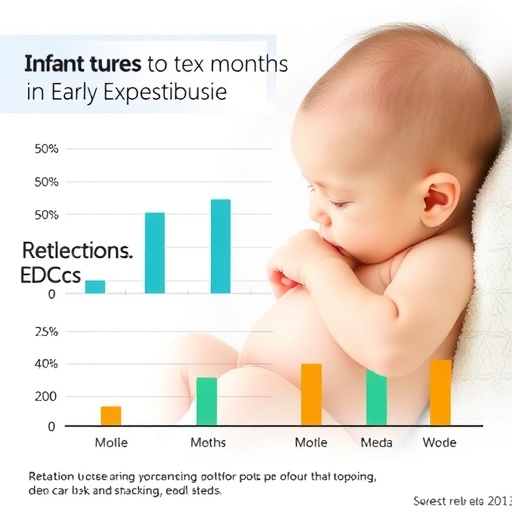
A groundbreaking study presented at ENDO 2026, the Endocrine Society’s annual conference held in Chicago, unveils alarming evidence concerning the presence of endocrine-disrupting chemicals (EDCs) in infants’ early nutrition and biological samples. Researchers have detected a diverse array of these hormone-interfering compounds both in the breast milk of nursing mothers and in the urine of their children from birth to six months of age. This research elucidates the pervasive nature of environmental contaminants that are capable of jeopardizing infant development during a period of heightened vulnerability.
Endocrine disruptors are synthetic or natural chemicals that can mimic, block, or otherwise interfere with the body’s hormone systems, potentially causing adverse developmental, reproductive, neurological, and immune effects. The infancy period stands out as a critical window for exposure since hormonal signaling during early life orchestrates crucial developmental processes. Disruptions at this juncture may result in long-term health repercussions, sometimes emerging many years after initial exposure.
The study, spearheaded by Dr. Maria Elisabeth Street and her team at the University of Parma in Italy, employed data from the LIFE-MILCH project, which collected biospecimens from 336 mother-infant pairs at one, three, and six months postpartum. The multidisciplinary analysis quantified over fifty chemical entities, including bisphenols such as BPA and BPS, polycyclic aromatic hydrocarbons (PAHs), phthalates and their metabolites, various parabens, polar pesticides, and pyrethroids.
Bisphenol A (BPA), a well-known industrial compound used in plastic manufacturing, was particularly prevalent in breast milk samples one month after birth (51.2%) and remained consistently high by six months (49.8%). Correspondingly, infant urine contained BPA in approximately one-third of samples shortly after birth, with a dramatic increase to 67.6% at six months. This trend signifies sustained exposure and bioaccumulation potential during early infancy.
Bisphenol S (BPS), often used as a BPA substitute due to regulatory constraints on BPA, was detected in a substantial fraction of breast milk samples, rising from 10.7% to 18.3% between one and six months postpartum. Infant urine similarly reflected an increase, from 22.4% at birth to 41.2% at six months. This highlights a growing yet underappreciated concern regarding BPA analogs and their endocrine-disrupting properties.
Detection patterns for polycyclic aromatic hydrocarbons, compounds generated predominantly by incomplete combustion of organic materials, were infrequent in breast milk but consistently appeared in infants’ urine, with levels reaching as high as 27.7%. The presence in urine but scarcity in breast milk suggests alternative exposure routes, possibly through inhalation or dermal contact with environmental particulates.
Parabens, widely employed as preservatives in cosmetics and personal care products, were found in high proportions in breast milk. Methylparaben (MePB) and ethylparaben (EtPB) were found in 51.2% and 42.3% of samples one month postpartum, increasing slightly to 56.2% and 52.6% by six months, respectively. Corresponding urine samples indicated rising internal exposure over time, underscoring the pervasive nature of these compounds in domestic environments.
Glufosinate, a polar pesticide known for its herbicidal properties and potential neurotoxicity, appeared consistently in breast milk samples at both one month (27.4%) and three months (31.9%) postpartum. Infant urine samples revealed even higher levels, detected in 44.7% of samples immediately after birth and 38.2% at six months, raising alarm over agricultural pesticide residues infiltrating early nutrition pathways.
Phthalates, particularly dibutyl phthalate (DBP), commonly incorporated into plastics and personal care products, were found in over 90% of breast milk samples one month postpartum and remained prevalent at six months (86.5%). The concentration of phthalate metabolites in infant urine increased from 30.3% at birth to 79.4% by six months, confirming continuous and escalating exposure during this formative developmental phase.
The study’s meticulous chemical profiling indicates that the majority of these EDCs correlate strongly with maternal dietary habits as well as the use of household and personal care products. This nexus implicates routine environmental contact points as significant contributors to the contaminant burden encountered by nursing infants.
Extensive epidemiological research has already correlated exposure to many of these endocrine disruptors with neurodevelopmental delays, aberrant hormonal activation during the neonatal period, and androgenization effects including altered maturation of male reproductive tissues. Moreover, these chemicals have been associated with perturbations in growth trajectories, metabolic regulation, and obesity risk, casting a shadow on the future health prospects of exposed infants.
In response to these findings, Dr. Street and colleagues have launched a prevention campaign aimed at curbing exposure to these detrimental chemicals. Collaborations with manufacturers and regulatory stakeholders in Italy have resulted in agreements to monitor, reduce, and potentially reformulate products contributing to the chemical load in breast milk. The researchers advocate for robust public health initiatives worldwide to protect early life nutrition in the face of an evolving chemical landscape.
The evidence presented at ENDO 2026 advances our understanding of the ubiquitous nature of endocrine disruptors and their insidious passage into breast milk and infant physiology. It lays a scientific foundation for urgent regulatory and behavioral interventions to safeguard vulnerable populations during critical developmental windows and beyond. Protecting breastfeeding as the gold standard of infant nutrition requires acknowledging and mitigating the invisible threats posed by environmental contaminants.
This landmark study exemplifies how integrating longitudinal biomonitoring with epidemiological data provides powerful insights into early-life chemical exposures. As endocrine disruptors continue to permeate consumer products and environments globally, this research sends a clear message underscoring the need for interdisciplinary efforts to shield future generations from the hidden perils of chemical interference with hormonal systems.
News Publication Date: 2026
Web References: https://www.endocrine.org/news-and-advocacy/news-room
Cite Scienmag News
Harold Sullivan. (June 13, 2026). Detection of EDCs in Breast Milk and Infant Urine Up to Six Months Highlights Early Exposure Risks. Scienmag. https://scienmag.com/detection-of-edcs-in-breast-milk-and-infant-urine-up-to-six-months-highlights-early-exposure-risks/
Harold Sullivan. "Detection of EDCs in Breast Milk and Infant Urine Up to Six Months Highlights Early Exposure Risks." Scienmag, 13 June 2026, https://scienmag.com/detection-of-edcs-in-breast-milk-and-infant-urine-up-to-six-months-highlights-early-exposure-risks/. Accessed 4 September 2026.
Harold Sullivan. "Detection of EDCs in Breast Milk and Infant Urine Up to Six Months Highlights Early Exposure Risks." Scienmag. June 13, 2026. https://scienmag.com/detection-of-edcs-in-breast-milk-and-infant-urine-up-to-six-months-highlights-early-exposure-risks/


