


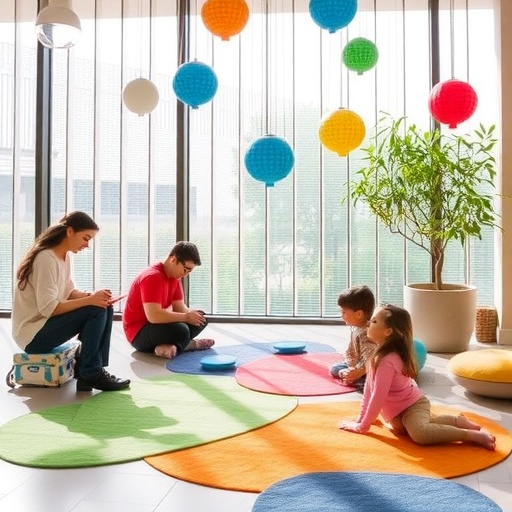
In an increasingly diverse world, the importance of a sensory approach to design becomes more apparent, especially concerning the needs of individuals with autism. The fascinating research conducted by Gaines and colleagues delves deep into the intersection of sensory experience and user-centered design principles, shedding light on how thoughtful design can create inclusive environments for those on the autism spectrum. Their findings, presented in the upcoming article “A Sensory Approach to Design: Inclusive Principles,” are set to redefine our understanding of how architecture, product design, and public spaces can serve as inclusive tools for a population that often feels marginalized.
One of the core themes in their research is the recognition of sensory processing differences that exist among individuals with autism. This group often faces challenges in navigating environments that are not designed with their unique sensory needs in mind. For instance, bright lights, loud noises, or chaotic visual landscapes can trigger overwhelming feelings of anxiety and discomfort. The researchers advocate for design principles that prioritize sensory sensitivity, ensuring that spaces are not merely functional but also supportive of individuals’ varied sensory experiences.
The study emphasizes the necessity of collaboration between occupational therapists, designers, and autistic individuals. By fostering a dialogue among these stakeholders, the research team aims to gather insights and lived experiences that inform inclusive design strategies. This collaborative approach ensures that environments are tailored specifically to the needs of those they are meant to serve, thus eliminating one-size-fits-all solutions that often overlook diverse sensory preferences.
Furthermore, Gaines and colleagues highlight the role of multi-sensory spaces in promoting well-being for autistic individuals. These environments, which incorporate various sensory stimuli such as textures, sounds, and colors, can provide calming and supportive atmospheres that enhance quality of life. The therapists involved in this research advocate for the incorporation of such spaces in schools, workplaces, and public areas, suggesting that they can become safe havens for sensory regulation and emotional relief.
An essential aspect of this work is the establishment of design guidelines that thoughtfully incorporate sensory considerations at every stage of the design process. By integrating aspects such as spatial layout, lighting, sound distribution, and tactile features, designers can create environments that not only accommodate but celebrate diversity in sensory processing. This approach stands to benefit not only individuals with autism but also other populations that may experience sensory sensitivities, such as those with anxiety disorders or PTSD.
The implications of this research extend beyond mere architectural practice. By fostering inclusive environments, society takes a significant step toward enhancing social inclusion and acceptance. When individuals feel comfortable in their surroundings, they are more likely to engage with their communities, foster friendships, and participate in social activities, thus contributing to a richer, more cohesive society.
Moreover, the researchers underscore the importance of training future designers in the principles of inclusive sensory design. By embedding this knowledge in design education programs, upcoming architects and product designers will be better equipped to create solutions that address sensory needs across a spectrum of individuals. This proactive approach is expected to drive a cultural shift within the design industry, promoting a standard of excellence in inclusivity that can transform everyday experiences for many.
The research also delves into the use of technology in facilitating sensory-friendly designs. For instance, the incorporation of interactive elements, such as dynamic lighting systems that adjust based on individual preferences, could further enhance sensory experiences in various environments. By harnessing technology, designers can create adaptable spaces that meet the evolving needs of individuals, ensuring continued relevance and support throughout the different stages of life.
Importantly, this study exemplifies a shift in how society perceives disability, moving towards a more strengths-based framework. By focusing on creating environments that acknowledge and respond to sensory differences rather than pathologizing them, we begin to understand autism not as a limitation but as a variation within the human experience. This change in perspective is crucial for fostering a culture that values inclusivity and embraces all forms of neurodiversity.
In conclusion, the work of Gaines, Bourne, and Pearson represents a significant step towards inclusive design practices that take sensory processing into account. As the findings of their research gain recognition, they pave the way for new standards in various fields that intersect with autism. Promoting inclusive design is not merely a trend; it is an ethical imperative that ensures every individual has access to environments where they can thrive.
With ongoing dialogue, collaboration, and innovation, the dream of sensory-inclusive environments can be realized, ultimately enhancing the quality of life for autistic individuals and society as a whole. The future of design is bright, and it is increasingly evident that a sensory approach is crucial for nurturing inclusivity and celebrating the diverse tapestry of human experiences.
Gaines, K., Bourne, A., Pearson, M. et al. A Sensory Approach to Design: Inclusive Principles. J Autism Dev Disord (2025). https://doi.org/10.1007/s10803-025-07156-5
Cite Scienmag News
Ophelia Keating. (December 12, 2025). Designing Inclusively: A Sensory Perspective. Scienmag. https://scienmag.com/designing-inclusively-a-sensory-perspective/
Ophelia Keating. "Designing Inclusively: A Sensory Perspective." Scienmag, 12 December 2025, https://scienmag.com/designing-inclusively-a-sensory-perspective/. Accessed 3 September 2026.
Ophelia Keating. "Designing Inclusively: A Sensory Perspective." Scienmag. December 12, 2025. https://scienmag.com/designing-inclusively-a-sensory-perspective/


