

Saturday, July 18, 2026
Science
No Result
View All Result
  • Login
  • HOME
  • SCIENCE NEWS
  • CONTACT US
  • HOME
  • SCIENCE NEWS
  • CONTACT US
No Result
View All Result
Scienmag
No Result
View All Result
Home Science News Technology and Engineering

Delayed vs Early Cord Clamping in Preterm Twins: Echocardiography Study

July 18, 2026
in Technology and Engineering
Reading Time: 2 mins read
0
Delayed vs Early Cord Clamping in Preterm Twins: Echocardiography Study

Delayed vs Early Cord Clamping in Preterm Twins: Echocardiography Study

65
SHARES
587
VIEWS
Share on FacebookShare on Twitter
ADVERTISEMENT

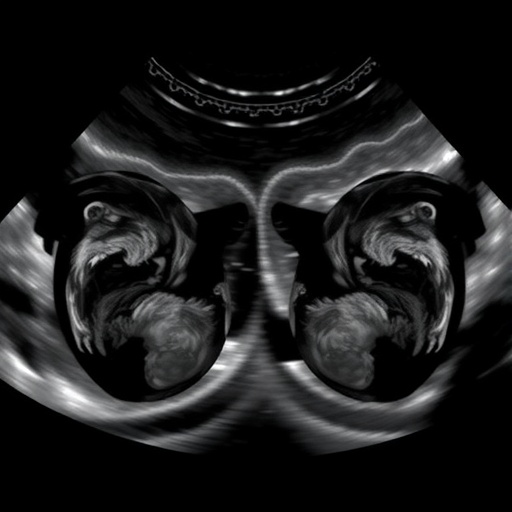
Preterm twins are often monitored in the minutes and hours after birth for subtle signs of cardiovascular instability. A new prospective observational study reports that the timing of cord clamping—delayed versus early—may leave a measurable imprint on echocardiographic hemodynamics, offering clinicians a noninvasive window into newborn circulation.

The research compared two practices in preterm twin pairs: delayed cord clamping (DCC), in which blood flow from the placenta continues briefly after delivery, and early cord clamping (ECC), where the cord is clamped sooner. Using echocardiography, investigators quantified cardiac and vascular function at standardized time points to detect differences that might otherwise remain hidden.

Echocardiography enabled assessment of parameters linked to systemic and pulmonary blood flow, including indices reflecting cardiac output and shunt dynamics. Because neonatal circulation in preterm infants is highly transitional—shaped by changes in lung aeration and the patency of fetal vessels—small timing-related effects could plausibly alter forward flow and pressure gradients.

By focusing on twins, the design inherently controls for many prenatal and perinatal variables, strengthening the interpretation that any observed differences track back to clamping timing rather than underlying maternal or fetal factors. The study further emphasizes that real-world practice variations can be evaluated without randomization, using physiology as the readout.

Clinically, the work suggests that DCC may support more favorable hemodynamic patterns during the early postnatal period. If confirmed in larger controlled trials, these findings could refine bedside decision-making by aligning delivery-room procedures with measurable cardiovascular outcomes.

Notably, echocardiography provides a dynamic, radiation-free approach well-suited to fragile preterm patients. Rather than relying solely on vital signs, this method captures flow-related features that may predict later tolerance of feeds, respiratory progression, or the risk of circulatory complications.

Overall, the study adds to growing evidence that cord management is not merely a hematologic intervention but a cardiovascular trigger. It frames DCC as a potential strategy to modulate the early circulatory transition in some of the smallest patients.

Whether DCC should become routine for preterm twins may depend on the balance of benefits against practical constraints such as delivery logistics and neonatal stability. Still, the echocardiographic evidence now provides a tangible way to track the physiological consequences of clamping choices.

As viral science news spreads among clinicians and researchers alike, this report highlights how modern imaging can translate delivery-room timing into measurable cardiovascular physiology—turning an old obstetric question into a quantifiable neonatal event.


Subject of Research: Hemodynamic effect of delayed vs early cord clamping in preterm twins assessed by echocardiography.

Article Title: Hemodynamic effect of delayed cord clamping versus early cord clamping in preterm twins using echocardiography: a prospective observational study.

Article References: Brief, F., Lapointe, A., Altit, G. et al. Hemodynamic effect of delayed cord clamping versus early cord clamping in preterm twins using echocardiography: a prospective observational study. Pediatr Res (2026). https://doi.org/10.1038/s41390-026-05278-9

Image Credits: AI Generated

DOI: 10.1038/s41390-026-05278-9

Keywords:

Tags: cardiovascular hemodynamics in preterm infantsclinical implications of cord clamping practicesechocardiographic assessment of neonatal circulationeffects of cord clamping timing on pulmonary blood flowfetal vessel patency and lung aerationimpact of delayed versus early cord clampingmeasurable effects of cord clamping on cardiacnoninvasive neonatal circulation monitoringnonrandomized observational neonatal studiespreterm twin cord clamping comparisontransitional circulation in preterm newbornstwin study design in neonatal research
Share26Tweet16
Previous Post

NUS Researchers Create Electronic Skin That Senses, Heals, and Thrives Underwater

Next Post

Two-week High-Frequency Aerobic Training Improves Depressive Symptoms and Frontal Function

Related Posts

Omics and AI in Pediatric Environmental Health: Tools, Challenges, Cohort Insights
Technology and Engineering

Omics and AI in Pediatric Environmental Health: Tools, Challenges, Cohort Insights

July 18, 2026
Necrotizing Enterocolitis: A Paradigm Shift in Understanding
Technology and Engineering

Necrotizing Enterocolitis: A Paradigm Shift in Understanding

July 18, 2026
UVA Engineer Geoff Geise Wins NAMS Permeance Prize for Mid-Career Excellence
Technology and Engineering

UVA Engineer Geoff Geise Wins NAMS Permeance Prize for Mid-Career Excellence

July 18, 2026
AI Identifies Environmental Chemicals with Highest Potential Health Risks
Technology and Engineering

AI Identifies Environmental Chemicals with Highest Potential Health Risks

July 17, 2026
UMN researcher wins $3.7 million NIH grant to advance AI glaucoma care
Technology and Engineering

UMN researcher wins $3.7 million NIH grant to advance AI glaucoma care

July 17, 2026
CRISPR, AI, and Personalized Approaches Shape the Future of Pediatric Gene Therapy
Technology and Engineering

CRISPR, AI, and Personalized Approaches Shape the Future of Pediatric Gene Therapy

July 17, 2026
Next Post
Two-week High-Frequency Aerobic Training Improves Depressive Symptoms and Frontal Function

Two-week High-Frequency Aerobic Training Improves Depressive Symptoms and Frontal Function

  • Mothers who receive childcare support from maternal grandparents show more

    Mothers who receive childcare support from maternal grandparents show more parental warmth, finds NTU Singapore study

    27656 shares
    Share 11059 Tweet 6912
  • University of Seville Breaks 120-Year-Old Mystery, Revises a Key Einstein Concept

    1061 shares
    Share 424 Tweet 265
  • Bee body mass, pathogens and local climate influence heat tolerance

    682 shares
    Share 273 Tweet 171
  • Researchers record first-ever images and data of a shark experiencing a boat strike

    546 shares
    Share 218 Tweet 137
  • Groundbreaking Clinical Trial Reveals Lubiprostone Enhances Kidney Function

    531 shares
    Share 212 Tweet 133
Science

Embark on a thrilling journey of discovery with Scienmag.com—your ultimate source for cutting-edge breakthroughs. Immerse yourself in a world where curiosity knows no limits and tomorrow’s possibilities become today’s reality!

RECENT NEWS

  • Two-week High-Frequency Aerobic Training Improves Depressive Symptoms and Frontal Function
  • Delayed vs Early Cord Clamping in Preterm Twins: Echocardiography Study
  • NUS Researchers Create Electronic Skin That Senses, Heals, and Thrives Underwater
  • Omics and AI in Pediatric Environmental Health: Tools, Challenges, Cohort Insights

Categories

  • Agriculture
  • Anthropology
  • Archaeology
  • Athmospheric
  • Biology
  • Biotechnology
  • Blog
  • Bussines
  • Cancer
  • Chemistry
  • Climate
  • Earth Science
  • Editorial Policy
  • Marine
  • Mathematics
  • Medicine
  • Pediatry
  • Policy
  • Psychology & Psychiatry
  • Science Education
  • Social Science
  • Space
  • Technology and Engineering

Subscribe to Blog via Email

Enter your email address to subscribe to this blog and receive notifications of new posts by email.

Join 5,146 other subscribers

© 2025 Scienmag - Science Magazine

Welcome Back!

Login to your account below

Forgotten Password?

Retrieve your password

Please enter your username or email address to reset your password.

Log In
No Result
View All Result
  • HOME
  • SCIENCE NEWS
  • CONTACT US

© 2025 Scienmag - Science Magazine

Discover more from Science

Subscribe now to keep reading and get access to the full archive.

Continue reading
