


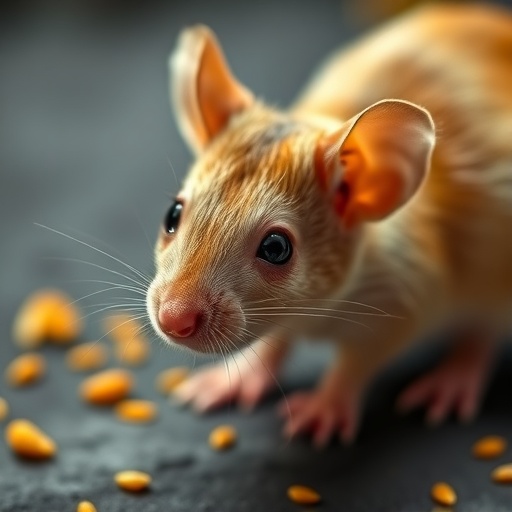
In a groundbreaking study that could reshape our approach to chronic inflammatory skin disorders, researchers have delved into the complex interactions between natural compounds and light therapy to tackle psoriasis-like lesions. The research, conducted on BALB/c mice, explored how Curcuma longa extract and its key bioactive constituents, curcumin and bisdemethoxycurcumin, combined with UVA irradiation, influence imiquimod-induced psoriasis-like skin inflammation. Psoriasis, a pervasive and debilitating immune-mediated skin disease, has long challenged clinicians due to its chronicity and the limitations of existing therapies. This study’s findings bring a fresh perspective by integrating botanical pharmacology with phototherapeutics, highlighting potential avenues for more effective, less invasive treatments.
Psoriasis pathogenesis is a multifaceted interplay of immune dysregulation, keratinocyte hyperproliferation, and oxidative stress. Traditional treatments, while somewhat effective, often come with adverse effects or limited long-term efficacy. The imiquimod-induced murine model used in this research effectively mimics psoriatic pathology, providing a robust platform for preclinical evaluation. Of particular interest is the use of Curcuma longa extract, known commonly as turmeric, which contains curcuminoids celebrated for their anti-inflammatory, antioxidant, and immunomodulatory properties. Among these, curcumin and bisdemethoxycurcumin have attracted attention for their molecular mechanisms that inhibit pro-inflammatory pathways.
The integration of UVA exposure with these natural compounds represents an innovative therapeutic strategy. UVA radiation, known for its immunosuppressive and anti-proliferative effects on skin cells, has historically been used in phototherapy regimes for psoriasis. However, UVA alone carries risks such as photoaging and carcinogenesis. Combining it with Curcuma longa constituents may enhance therapeutic benefits while mitigating side effects, a hypothesis tested rigorously in this investigation.
In the study, BALB/c mice were subjected to imiquimod-induced psoriasis-like skin lesions, establishing a controlled environment to assess treatment efficacy. The researchers administered Curcuma longa extract, curcumin, or bisdemethoxycurcumin topically, followed by controlled UVA irradiation. Observations recorded over multiple treatment cycles revealed significant amelioration of skin lesions, reduction in erythema and scaling, and restored skin histology. This multidisciplinary approach combined phytochemistry, immunology, and photobiology, offering a nuanced understanding of how these treatments modulate skin inflammation at molecular and cellular levels.
Mechanistically, the study indicates that the combined treatments downregulated key inflammatory mediators, including tumor necrosis factor-alpha (TNF-α), interleukin-17 (IL-17), and interleukin-23 (IL-23). These cytokines are notoriously elevated in psoriasis and contribute substantially to the disease’s persistence and severity. Furthermore, oxidative stress markers were markedly decreased, suggesting that antioxidants present in Curcuma longa extracts synergize with UVA-induced effects to restore cellular redox balance. This sheds light on the possibility that such combination therapy not only dampens immune responses but also repairs oxidative damage that exacerbates psoriatic lesions.
Histopathological analyses enriched the findings by illustrating substantial attenuation of epidermal hyperplasia, parakeratosis, and immune cell infiltration characteristic of psoriasis. The serial application of curcuminoids with UVA altered the typical psoriatic architecture toward normalization. Notably, bisdemethoxycurcumin, though less studied than curcumin, demonstrated comparable potency, advocating for broader investigations into lesser-known curcuminoids as therapeutic agents.
Apart from the biochemical and histological improvements, the safety profile was promising. No significant adverse effects were observed in treated mice, contrasting favorably with many conventional psoriasis therapies that carry risks of systemic toxicity or immunosuppression. This underscores the potential for developing topical formulations combining Curcuma longa extracts and controlled UVA as a safer alternative or adjunct treatment, especially for patients contraindicated for aggressive systemic drugs.
The implications of this research extend beyond psoriasis. Chronic inflammatory and autoimmune skin disorders often share pathogenic pathways involving cytokine storms and oxidative stress. Thus, the principles uncovered here—leveraging plant-derived compounds alongside targeted phototherapy—may inform treatment innovations across dermatology. Moreover, the study emphasizes the importance of molecularly guided combination therapies that address multiple disease facets synergistically rather than monotherapeutic approaches.
Importantly, this research contributes to the expanding arena of natural product pharmacology integrated with modern medical technology. The bioavailability and skin penetration challenges often complicate the clinical translation of curcuminoids. Here, topical administration combined with UVA not only enhanced curcuminoid efficacy but may also facilitate deeper dermal absorption through photomodulation of skin barrier properties, a topic warranting deeper exploration in subsequent studies.
While the murine model provides compelling preliminary evidence, human clinical trials will be critical for validating safety, dosing, and efficacy. Psoriasis is a heterogeneous disease with genetic, environmental, and lifestyle influences; hence, personalized treatment protocols incorporating such combinatory regimens could revolutionize management. Furthermore, elucidating long-term effects, optimal timing of UVA exposure relative to compound application, and potential interactions with existing medications will be pivotal.
The study also prompts broader philosophical reflections on bridging traditional medicine and cutting-edge science. Turmeric’s historical and cultural significance converges here with rigorous scientific validation, exemplifying how ethnopharmacological wisdom can inspire novel biomedical approaches. In a healthcare landscape increasingly focused on integrative and patient-centered care, such research embodies the promise and challenge of harmonizing natural and synthetic modalities.
In a social context, psoriasis profoundly impacts quality of life, encompassing physical discomfort, stigmatization, and psychological distress. Accessible, non-invasive treatments derived from natural products could democratize care, alleviating socioeconomic barriers. This aligns with global health priorities promoting sustainable, affordable therapeutic strategies, particularly relevant in resource-constrained settings.
Future directions stemming from this research are manifold. Investigating the molecular docking of curcuminoids with key psoriasis-related receptors, examining gene expression profiles post-treatment, and exploring synergistic effects with other phototherapeutic wavelengths (e.g., UVB or visible light) could deepen mechanistic insights. Moreover, formulation science could optimize delivery vehicles, enhancing stability and controlled release of bioactive compounds.
Concomitantly, understanding how these treatments influence skin microbiota might uncover additional therapeutic mechanisms. Emerging evidence highlights the skin microbiome’s role in immune modulation and barrier integrity. It is plausible that Curcuma longa extract and UVA impact microbial communities, thereby contributing indirectly to disease mitigation.
Overall, this study represents a stride toward holistic, multifactorial treatment paradigms, stepping beyond symptomatic control toward underlying pathogenic correction. It fosters hope for patients and clinicians alike that natural compounds, scientifically harnessed and combined with advanced modalities like phototherapy, can yield transformative outcomes in chronic skin diseases such as psoriasis.
Cite Scienmag News
Drew Townsend. (August 5, 2025). Curcuma Compounds and UVA Alleviate Psoriasis in Mice. Scienmag. https://scienmag.com/curcuma-compounds-and-uva-alleviate-psoriasis-in-mice/
Drew Townsend. "Curcuma Compounds and UVA Alleviate Psoriasis in Mice." Scienmag, 5 August 2025, https://scienmag.com/curcuma-compounds-and-uva-alleviate-psoriasis-in-mice/. Accessed 4 September 2026.
Drew Townsend. "Curcuma Compounds and UVA Alleviate Psoriasis in Mice." Scienmag. August 5, 2025. https://scienmag.com/curcuma-compounds-and-uva-alleviate-psoriasis-in-mice/


