


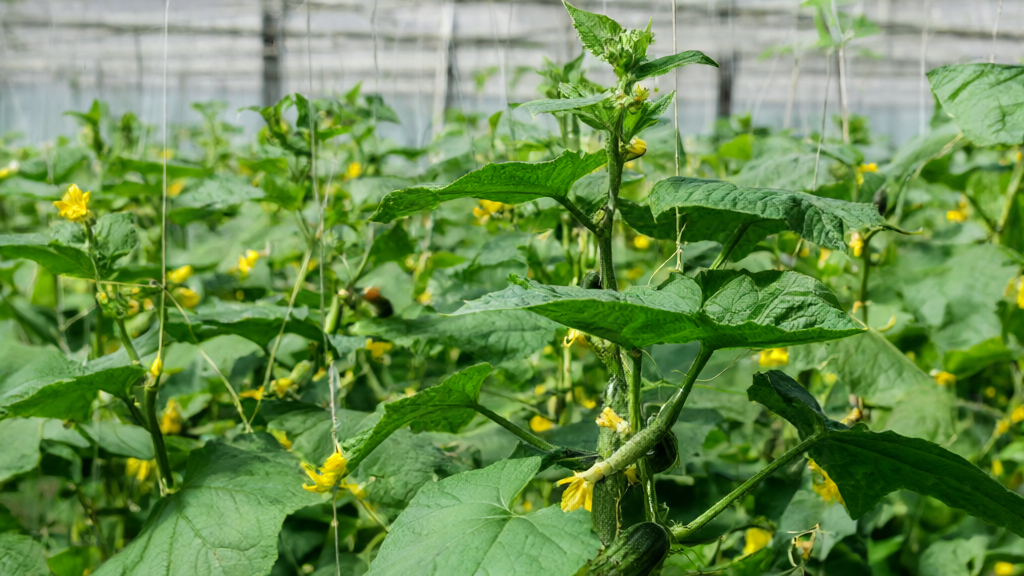
Scientists at the Warsaw University of Life Sciences have released a comprehensive genomic atlas that maps the genetic underpinnings of sex determination in cucumber plants. This study represents the first genome-wide comparison of five distinct cucumber lines, each exhibiting a different sexual phenotype, within a single analytical framework. By sequencing over 20 million paired-end reads for each line, the research team generated a detailed map of genetic variations that may influence whether a plant produces male flowers, female flowers, or both. The work provides a significant resource for understanding the complex molecular networks that govern floral fate in this economically important crop.
The five lines selected for this study represent a broad spectrum of sexual phenotypes, including a male line, a recessive gynoecious line, a dominant gynoecious line, and two independent hermaphrodite lines. This diverse selection allows researchers to contrast the genetic signatures associated with different reproductive strategies. By mapping these sequences to the high-quality B10 reference genome, the team could identify specific single nucleotide variants and short insertions or deletions that distinguish each line. This approach moves beyond previous studies that often focused on single phenotypes or individual loci, offering a more integrative view of the genome.
Variant calling using the FreeBayes algorithm and functional annotation with VEP revealed a substantial number of genetic differences among the lines. Each line carried between 0.09 and 0.38 million single nucleotide variants, along with 0.03 to 0.08 million short indels. However, a striking finding was that only 1.3% of the filtered variants were shared across all genotypes. This low level of shared variation underscores the distinct breeding histories of these lines, suggesting that their unique sexual phenotypes are largely driven by lineage-specific genetic changes rather than a common set of mutations.
Among the identified coding consequences, approximately 5.4% were predicted to have a high impact on protein function. These high-impact variants defined a set of 270 genes that carry such mutations relative to the B10 reference in all lines. Additionally, the analysis identified over 500 genotype-restricted loci, which are variants unique to specific lines. For instance, 279 genes were found to be unique to the male line 859, while 48 were unique to the recessive gynoecious line 2gg. These unique loci represent potential candidates for further functional validation and may hold the key to understanding the specific mechanisms that drive each sexual phenotype.
Functional enrichment analysis revealed distinct molecular networks associated with each line. The male line 859 was dominated by a module involving brassinosteroid, gibberellin, and jasmonate signaling, along with DNA-repair factors. In contrast, the dominant gynoecious line was associated with S-adenosyl-methionine cycling and variants in the LEAFY transcription factor. The two hermaphroditic lines showed high-impact variants associated with distinct functional modules, including arginine and nitric oxide pathways in one line and secondary metabolism in the other. These findings suggest that different hormonal and metabolic pathways may be involved in determining floral sex, providing candidate routes for further investigation.
The study also identified hormone-biosynthetic genes and chromatin-remodeling subunits that co-localize with the classical F, M, and Gy loci known to control sex expression in cucumbers. Genes such as ACS1G, ACS11, CPS1, and BR6OX1, which are involved in ethylene and brassinosteroid biosynthesis, were found in proximity to these loci. Additionally, subunits of the SWI/SNF chromatin-remodeling complex were identified in these regions. This co-localization suggests that hormonal signaling and epigenetic regulation may work together to control the expression of sex-determining genes. These findings point to tractable candidates for functional validation and offer new insights into the regulatory mechanisms underlying floral fate.
The resulting variant atlas provides a valuable resource for marker development and future population-level validation. By identifying specific genetic variants associated with different sexual phenotypes, the study supports the development of molecular markers that can be used in breeding programs. These markers could help breeders select for desired sexual phenotypes more efficiently, improving the yield and hybrid-seed production of cucumber crops. The atlas also supports further multi-omics dissection of the hormonal, transcriptional, and epigenetic components associated with cucumber floral fate, offering a foundation for future research in this area.
This research highlights the importance of integrative genomic approaches in understanding complex traits like sex determination. By comparing multiple lines with contrasting phenotypes, the study reveals the line-specific molecular networks that contribute to sexual diversity in cucumbers. The findings not only advance our understanding of the genetic basis of floral sex but also provide practical tools for precision breeding. As the demand for efficient and high-yielding crops continues to grow, resources like this variant atlas will play a crucial role in developing new cucumber varieties with optimized sexual phenotypes.
The study was conducted by a team of researchers from the Department of Plant Genetics, Breeding, and Biotechnology at the Warsaw University of Life Sciences. The work was funded by the National Science Center, and the findings have been published in BMC Genomics. The open-access nature of the publication ensures that the data and methods are available to the broader scientific community, facilitating further research and collaboration. This study represents a significant step forward in the field of plant genomics and has the potential to impact cucumber breeding programs worldwide.
Subject of Research: Genomic analysis of sex determination in cucumber lines
Article Title: Genome-wide variant atlas of cucumber sex determination reveals line-specific molecular networks as a candidate resource for cucumber breeding
Article References: Turek, S., Głuchowska, A., Skarzyńska-Łyżwa, A., Sztenke, J., Pląder, W., & Pawełkowicz, M. (2026). Genome-wide variant atlas of cucumber sex determination reveals line-specific molecular networks as a candidate resource for cucumber breeding. BMC Genomics. https://doi.org/10.1186/s12864-026-13406-2
Image Credits: AI Generated
DOI: 10.1186/s12864-026-13406-2
Keywords: cucumber, sex determination, genomics, plant breeding, variant atlas, molecular networks, hormonal regulation, chromatin remodeling, floral fate, precision breeding, Genome-wide, variant
Cite Scienmag News
Juliet Wilcox. (October 2, 2026). Cucumber Genome Atlas Maps Sex Determination Networks. Scienmag. https://scienmag.com/cucumber-genome-atlas-maps-sex-determination-networks/
Juliet Wilcox. "Cucumber Genome Atlas Maps Sex Determination Networks." Scienmag, 2 October 2026, https://scienmag.com/cucumber-genome-atlas-maps-sex-determination-networks/. Accessed 4 October 2026.
Juliet Wilcox. "Cucumber Genome Atlas Maps Sex Determination Networks." Scienmag. October 2, 2026. https://scienmag.com/cucumber-genome-atlas-maps-sex-determination-networks/


