


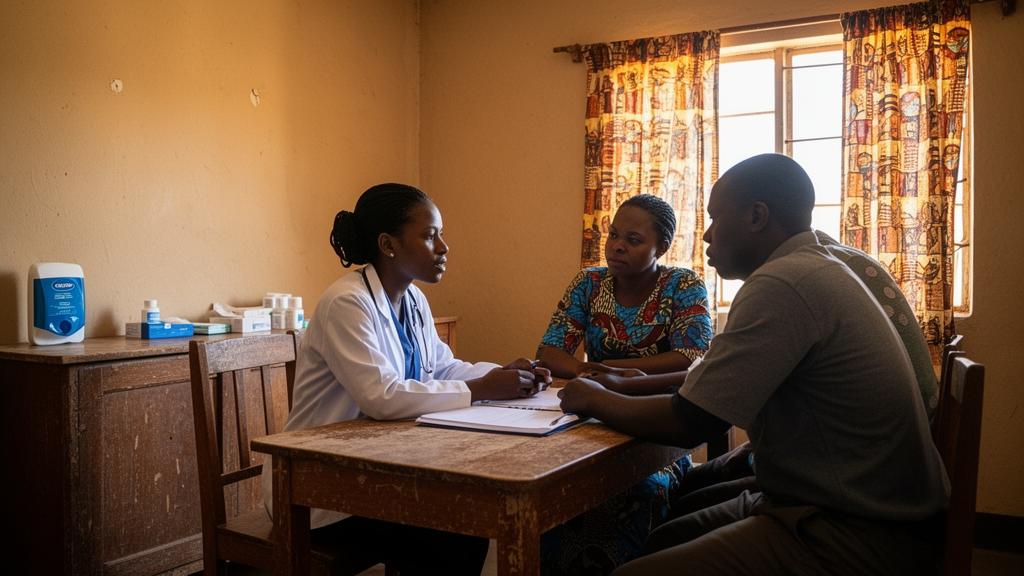
A cross-sectional respondent-driven sampling survey of 867 sexually active adolescent girls and young women in six urban and peri-urban districts of Zimbabwe found that 66.6% reported condomless sex during the previous three months, while 16.6% reported condomless sex with multiple partners. The population-level percentages were adjusted using respondent-driven sampling weights. The analysis identified distinct patterns for the two outcomes: condomless sex was associated with older age, relationship status, religious affiliation, heavy drinking and identifying as a sex worker, whereas condomless sex with multiple partners was linked to several indicators of social and health vulnerability, including parental bereavement, food insecurity, alcohol and substance use, mental health difficulties, sexual abuse and sex work.
Researchers analyzed data collected from May through July 2023 among participants aged 15 to 24 who were sexually active. Logistic regression models estimated both unadjusted associations and associations adjusted for age and sociodemographic characteristics. For condomless sex generally, each additional year of age was associated with 16% higher odds, corresponding to an adjusted odds ratio of 1.16 per year and a 95% confidence interval of 1.08 to 1.25.
Compared with participants identifying as Pentecostal, those identifying with the apostolic faith had 1.71 times the adjusted odds of condomless sex, with a 95% confidence interval of 1.01 to 2.88. Monthly heavy drinking was associated with 1.91 times the adjusted odds, while identifying as a sex worker was associated with 1.84 times the adjusted odds of the outcome. Relationship status showed some of the strongest associations with condomless sex.
Compared with participants who had no partner, those who cohabited with a partner had 3.92 times the age- and sociodemographic-adjusted odds of condomless sex, with a 95% confidence interval of 2.23 to 6.90. These results concern the likelihood of reporting condomless sex within the preceding three months rather than changes in individual behavior over time. As an observational, cross-sectional analysis, the study cannot determine whether relationship arrangements, alcohol consumption, religious affiliation or other measured characteristics caused the reported outcomes.
Condomless sex with multiple partners was associated with a wider set of circumstances. Weekly heavy drinking was associated with 4.78 times the adjusted odds of condomless sex with multiple partners, with a 95% confidence interval of 2.08 to 10.99, and monthly heavy drinking with 2.69 times the adjusted odds, with a 95% confidence interval of 1.61 to 4.52. Substance use was associated with 3.21 times the adjusted odds, compared with no substance use, while a common mental health disorder was associated with 2.30 times the adjusted odds.
Some estimates were less precise: a steady non-cohabiting partner was associated with an adjusted odds ratio of 2.13, but its 95% confidence interval extended from 0.94 to 4.81, while discussing sex only with similarly aged female peers rather than only with one’s mother had an adjusted odds ratio of 3.89 and a 95% confidence interval of 0.99 to 15.25. The survey was confined to selected urban and peri-urban districts, so the findings should not be treated as estimates for all Zimbabwe or as evidence of a nationwide or temporal trend. The authors said the results could inform targeted HIV prevention interventions and called for further research into the socioeconomic drivers of condomless sex and attitudes toward condom use.
Subject of Research: A 2023 cross-sectional survey of condomless sex among sexually active Zimbabwean women and girls aged 15 to 24.
Article Title: Factors associated with condomless sex among sexually active adolescent girls and young women (AGYW) in Zimbabwe: a cross-sectional respondent driven sampling survey
Article References: Langella, R., Lampe, F. C., Chidhanguro, K., Murenjekwa, W., Ncube, G., Copas, A., Cowan, F. M., Dirawo, J., Matsikire, E., Mpofu, A., Mugurungi, O., Taramusi, I., Phillips, A. N., Sibanda, E., & Cambiano, V. (2026). Factors associated with condomless sex among sexually active adolescent girls and young women (AGYW) in Zimbabwe: a cross-sectional respondent driven sampling survey. BMC Public Health. https://doi.org/10.1186/s12889-026-29754-3
Image Credits: AI Generated
DOI: 10.1186/s12889-026-29754-3
Keywords: condomless sex, adolescent girls, young women, Zimbabwe, HIV prevention, respondent-driven sampling, food insecurity, heavy drinking, mental health, sex work, Factors, associated
Cite Scienmag News
Ophelia Keating. (October 20, 2026). Cross-sectional Zimbabwe survey links condomless sex to vulnerability factors. Scienmag. https://scienmag.com/cross-sectional-zimbabwe-survey-links-condomless-sex-to-vulnerability-factors/
Ophelia Keating. "Cross-sectional Zimbabwe survey links condomless sex to vulnerability factors." Scienmag, 20 October 2026, https://scienmag.com/cross-sectional-zimbabwe-survey-links-condomless-sex-to-vulnerability-factors/. Accessed 20 October 2026.
Ophelia Keating. "Cross-sectional Zimbabwe survey links condomless sex to vulnerability factors." Scienmag. October 20, 2026. https://scienmag.com/cross-sectional-zimbabwe-survey-links-condomless-sex-to-vulnerability-factors/


