

Tuesday, October 20, 2026
Science
No Result
View All Result
  • Login
  • HOME
  • SCIENCE NEWS
  • CONTACT US
  • HOME
  • SCIENCE NEWS
  • CONTACT US
No Result
View All Result
Scienmag
No Result
View All Result
Home Science News Psychology & Psychiatry

Cross-sectional study links child independence with maternal well-being in spina bifida

October 20, 2026
in Psychology & Psychiatry
Glenn Wilkins
By Glenn Wilkins Scienmag Editorial Profile - Clinical Psychology
Reading Time: 2 mins read
0
Cross-sectional study links child independence with maternal well-being in spina bifida

Cross-sectional study links child independence with maternal well-being in spina bifida

65
SHARES
587
VIEWS
Share on FacebookShare on Twitter
ADVERTISEMENT

Greater functional independence among children with spina bifida was associated with better maternal quality of life and fewer depressive symptoms in a cross-sectional study of 30 children aged 2 to 18 years and their mothers. The association extended across several measures: children’s functional independence correlated with both maternal quality of life and maternal depression scores, while mothers’ health-related quality of life was linked to the children’s own quality of life.

Researchers assessed each child’s functional independence with the Pediatric Functional Independence Measure, known as WeeFIM, and the children’s quality of life with the Children’s Quality of Life Scale, or CQLS. Maternal health-related quality of life was evaluated using the Nottingham Health Profile, or NHP, and maternal depression levels with the Beck Depression Inventory, or BDI. This combination allowed the study to examine relationships among children’s abilities and well-being, mothers’ psychological and health-related outcomes, and family socioeconomic circumstances at one point in time.

Children’s functional independence showed a moderate, statistically significant negative correlation with maternal quality of life, with r = −0.421 and p = 0.023. It was also moderately and significantly associated with maternal depression scores, at r = −0.412 and p = 0.024. In the study’s interpretation, the negative correlation between functional independence and depression means that mothers of children with greater independence tended to report fewer depressive symptoms. The researchers also identified difficulties in self-care, communication and social interaction among the children as relevant features of their limited functional independence.

The analysis found a high, statistically significant negative correlation between maternal NHP scores and pediatric quality-of-life scores, at r = −0.561 and p = 0.008. The authors interpreted this result as indicating that greater maternal health distress was associated with lower quality of life among the children. Family income also had a moderate, statistically significant negative correlation with maternal depression, at r = −0.380 and p = 0.03. These findings connect lower income with greater maternal depressive symptoms, but the cross-sectional measurements do not establish that income caused the depression or that changes in independence would cause changes in maternal well-being.

Overall, the study reports that children’s compromised quality of life and limited functional independence were significantly correlated with maternal depression and poorer maternal health-related quality of life. It also highlights lower family income as another factor associated with maternal psychological well-being. The authors suggest that integrated, multidisciplinary rehabilitation programs should address children’s functional status while incorporating psychosocial support services for the family. Because the sample was small and included only 30 child–mother pairs, the results require replication and do not establish direction, causation or the effects of any particular rehabilitation program.

Subject of Research: Associations between child functional independence, family income, and maternal depression and quality of life in spina bifida

Article Title: Life quality and depression in mothers of children with spina bifida: A cross-sectional study

Article References: Tıkaç, G., Kavlak, E., Altın, F. N., Kavlak, E., & Ök, N. (2026). Life quality and depression in mothers of children with spina bifida: A cross-sectional study. BMC Psychology. https://doi.org/10.1186/s40359-026-05613-z

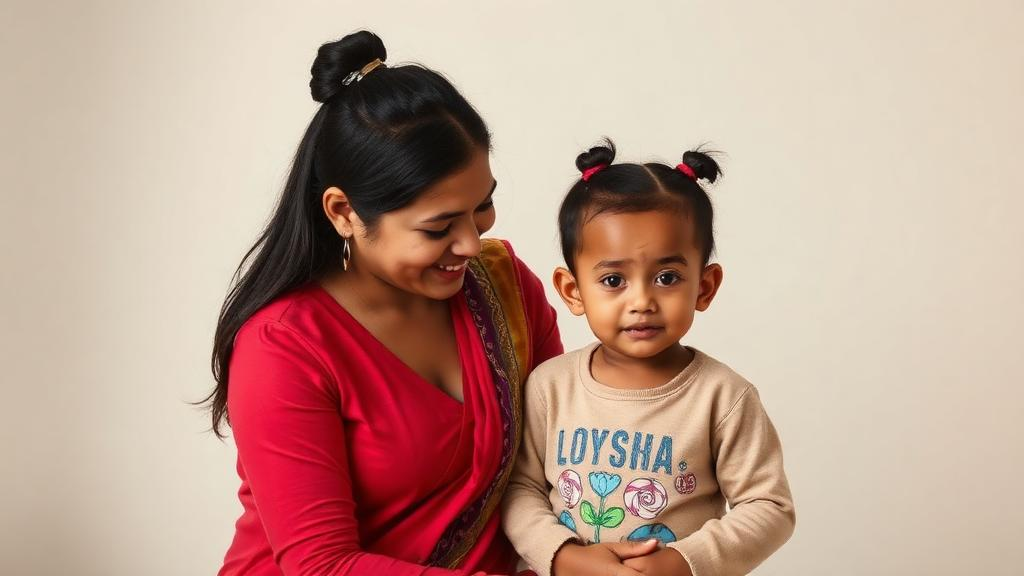
Image Credits: AI Generated

DOI: 10.1186/s40359-026-05613-z

Keywords: spina bifida, maternal depression, functional independence, quality of life, family income, child health, caregiver well-being, cross-sectional study, multidisciplinary rehabilitation, Life, quality, depression

Cite Scienmag News

Glenn Wilkins. (October 20, 2026). Cross-sectional study links child independence with maternal well-being in spina bifida. Scienmag. https://scienmag.com/cross-sectional-study-links-child-independence-with-maternal-well-being-in-spina-bifida/


Glenn Wilkins. "Cross-sectional study links child independence with maternal well-being in spina bifida." Scienmag, 20 October 2026, https://scienmag.com/cross-sectional-study-links-child-independence-with-maternal-well-being-in-spina-bifida/. Accessed 20 October 2026.

Glenn Wilkins. "Cross-sectional study links child independence with maternal well-being in spina bifida." Scienmag. October 20, 2026. https://scienmag.com/cross-sectional-study-links-child-independence-with-maternal-well-being-in-spina-bifida/

Tags: associations between child independence and family well-beingcaregiver well-beingChild healthchild independence and maternal well-being in spina bifidachildren’s quality of life assessmentcross-sectional studycross-sectional study on spina bifidaDepressionfamily incomefamily socioeconomic factors in spina bifidafunctional independenceimpact of child disability on maternal mental healthLifematernal depressionmaternal health-related quality of lifematernal quality of life and depressionmultidisciplinary rehabilitationpediatric functional independence assessmentPediatric Functional Independence Measure (WeeFIM)psychological outcomes in mothers of children with disabilitiesqualityQuality of Lifespina bifidaspina bifida child development and
Share26Tweet16
Previous Post

Charles Roberts Elected to National Academy of Medicine

Next Post

Novel CTNNB1 missense variant identified in child with spastic diplegia and visual defects

Related Posts

Validated LLM thematic-analysis tutorial shows high human-model agreement in Reddit posts
Psychology & Psychiatry

Validated LLM thematic-analysis tutorial shows high human-model agreement in Reddit posts

October 20, 2026
Cross-Sectional Study Identifies Four Postpartum Symptom Profiles in Healthcare Workers
Psychology & Psychiatry

Cross-Sectional Study Identifies Four Postpartum Symptom Profiles in Healthcare Workers

October 19, 2026
Google Apps Script Automates Large-Scale Longitudinal Psychology Studies
Psychology & Psychiatry

Google Apps Script Automates Large-Scale Longitudinal Psychology Studies

October 19, 2026
Rasch analysis finds limits in Swedish autism genetic counselling scale
Psychology & Psychiatry

Rasch analysis finds limits in Swedish autism genetic counselling scale

October 19, 2026
Eye tracking reveals how the brain resolves spoken references
Psychology & Psychiatry

Eye tracking reveals how the brain resolves spoken references

October 19, 2026
Perceived Stability Explains Attachment Differences Between Gay and Heterosexual Men
Psychology & Psychiatry

Perceived Stability Explains Attachment Differences Between Gay and Heterosexual Men

October 19, 2026
Next Post
Novel CTNNB1 missense variant identified in child with spastic diplegia and visual defects

Novel CTNNB1 missense variant identified in child with spastic diplegia and visual defects

  • Mothers who receive childcare support from maternal grandparents show more optimized

    Mothers who receive childcare support from maternal grandparents show more parental warmth, finds NTU Singapore study

    27656 shares
    Share 11059 Tweet 6912
  • University of Seville Breaks 120-Year-Old Mystery, Revises a Key Einstein Concept

    1061 shares
    Share 424 Tweet 265
  • Bee body mass, pathogens and local climate influence heat tolerance

    682 shares
    Share 273 Tweet 171
  • Researchers record first-ever images and data of a shark experiencing a boat strike

    546 shares
    Share 218 Tweet 137
  • Groundbreaking Clinical Trial Reveals Lubiprostone Enhances Kidney Function

    531 shares
    Share 212 Tweet 133
Science

Embark on a thrilling journey of discovery with Scienmag.com—your ultimate source for cutting-edge breakthroughs. Immerse yourself in a world where curiosity knows no limits and tomorrow’s possibilities become today’s reality!

RECENT NEWS

  • Novel CTNNB1 missense variant identified in child with spastic diplegia and visual defects
  • Cross-sectional study links child independence with maternal well-being in spina bifida
  • Charles Roberts Elected to National Academy of Medicine
  • Case report: fatal dual meningitis with hydrocephalus in HIV-negative woman

Categories

  • Agriculture
  • Anthropology
  • Archaeology
  • Athmospheric
  • Biology
  • Biotechnology
  • Blog
  • Bussines
  • Cancer
  • Chemistry
  • Climate
  • Earth Science
  • Editorial Policy
  • Marine
  • Mathematics
  • Medicine
  • Pediatry
  • Policy
  • Psychology & Psychiatry
  • Science Education
  • Science News
  • Social Science
  • Space
  • Technology and Engineering

Subscribe to Blog via Email

Enter your email address to subscribe to this blog and receive notifications of new posts by email.

Join 5,149 other subscribers

© 2025 Scienmag - Science Magazine

Welcome Back!

Login to your account below

Forgotten Password?

Retrieve your password

Please enter your username or email address to reset your password.

Log In
No Result
View All Result
  • HOME
  • SCIENCE NEWS
  • CONTACT US

© 2025 Scienmag - Science Magazine

Discover more from Science

Subscribe now to keep reading and get access to the full archive.

Continue reading