

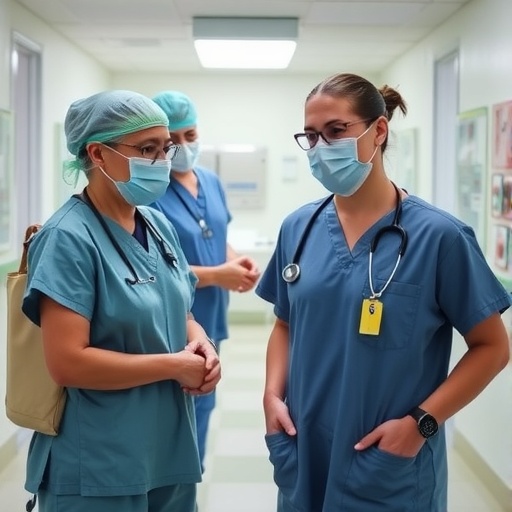
The COVID-19 pandemic has reshaped every aspect of our lives, and the healthcare sector stands at the forefront of this battle. Among the myriad of challenges presented by the pandemic, the mental and physical well-being of critical care nurses has emerged as a point of concern. The unprecedented demands placed upon these frontline workers have led to exploration into occupational stressors, coping strategies, and overall health, culminating in pivotal research findings that demand attention.
In recent thorough investigations into the subject, researchers have delved deep into the complex landscape of occupational stressors impacting critical care nurses during this global health crisis. The COVID-19 pandemic has proved to be a unique and extreme situation, exposing healthcare professionals to acute stressors which previously were not part of their daily routines. The nature of critical care nursing, already known for its demanding environment, has only intensified under the pressures of a pandemic.
Occupational stressors can be broadly categorized into different types, including emotional, operational, and environmental. Emotional stressors derive from the heavy emotional toll of treating severely ill patients, often lacking proper support systems. Operational stressors relate to the logistics of care delivery, where factors like inadequate resources, shifting protocols, and heightened risk of infection further compound the pressure on nurses. The environmental context, which includes issues such as chaotic work conditions and insufficient staffing, plays a significant role in exacerbating stress among these healthcare warriors.
Amidst these daunting challenges, coping strategies have taken center stage as a necessary focus for ensuring nurse resilience. Coping strategies vary widely among individuals based on their personality traits, experiences, and available support systems. Through the research findings, it has been revealed that some nurses lean on peer support, utilizing camaraderie among colleagues to share experiences and emotions. Others may resort to structured coping mechanisms such as mindfulness and relaxation techniques, which have been shown to mitigate anxiety and improve overall mental health.
The implementation of coping strategies has become increasingly vital as the pandemic stretches on indefinitely. Critical care nurses are tasked with making life-and-death decisions under extreme pressure, while simultaneously grappling with the high likelihood of exposure to the virus themselves. The emotional weight of loss, exhaustion, and moral distress can lead to burnout, making it imperative for healthcare institutions to foster healthy coping mechanisms among staff.
Furthermore, it’s crucial for healthcare administrators to address these occupational stressors proactively. Research highlights that institutions can help by providing ample resources, such as mental health support, flexible scheduling, and sufficient staffing levels. Equipping nurses with psychological support programs can significantly enhance their coping abilities, making them more resilient against the adverse effects of occupational stress.
On a broader scale, the general health of critical care nurses during the pandemic has been a focal point for healthcare studies. Researchers have found alarming correlations between high occupational stress and poor mental health outcomes, including increased instances of anxiety, depression, and PTSD among frontline workers. Consequently, there is an urgent need for surveillance of mental health trends among this population to inform future support initiatives.
Moreover, the participation of critical care nurses in research studies has expanded their voice in policymaking. As frontline experiences are documented through scoping reviews, healthcare systems can glean valuable insights targeted at enhancing working conditions for nurses. This data not only advocates for nurses’ well-being but also fortifies patient care by ensuring that nurses are at their best, both mentally and physically.
Additionally, strategic partnerships between hospitals and academic institutions are fostering a collaborative approach to tackling these issues. By bridging the gap between clinical practice and research, nurses’ experiences can drive the development of evidence-based practices that align with their needs. A focus on long-term health and wellness initiatives, rooted in research findings, is essential for preserving the workforce that plays such an integral role in healthcare.
As we navigate through the ongoing challenges posed by COVID-19, it remains critical to prioritize the health of critical care nurses. The resilience of these individuals can greatly influence the overall effectiveness of the healthcare system. Nurturing their mental and physical health through institutional support and recognition may very well determine the future of critical care nursing.
The findings of the ongoing studies emphasize that understanding occupational stressors and implementing effective coping strategies are equally beneficial for both the nurses and the patients they care for. Awareness of the unique challenges faced by critical care nurses will continue to evolve, highlighting the importance of adaptive strategies in an ever-changing environment.
In conclusion, as we continue to combat the repercussions of the pandemic, a concerted effort to address the well-being of critical care nurses is imperative. They are the unsung heroes in this fight, often facing unyielding stress and immense responsibility. By fostering environments conducive to mental health and resilience, we can ensure that they remain capable of providing the highest level of care in the years to come.
Subject of Research: Occupational stressors and coping strategies of critical care nurses during the COVID-19 pandemic.
Article Title: Occupational stressors, coping strategies, and general health of critical care nurses during COVID-19 pandemic: a scoping review.
Article References: Al-Qaisi, O., Alawayssah, R., Al-Ghabeesh, S. et al. Occupational stressors, coping strategies, and general health of critical care nurses during COVID-19 pandemic: a scoping review. BMC Nurs (2026). https://doi.org/10.1186/s12912-026-04330-7
Image Credits: AI Generated
DOI: 10.1186/s12912-026-04330-7
Keywords: COVID-19, critical care nurses, occupational stress, coping strategies, mental health, healthcare workers.


