


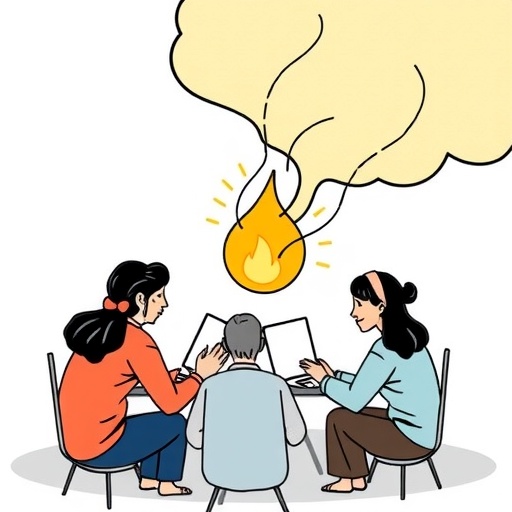
In recent years, the issue of burnout among healthcare professionals has gained increasing attention across various sectors due to its far-reaching implications. A groundbreaking study titled “Designing the LAGOM Burnout Prevention Program” by a team led by J.K. Schiele was published in BMC Medical Education. The study proposes a novel approach to tackle burnout through intervention mapping, emphasizing collaboration with healthcare professionals. The LAGOM program exemplifies a proactive measure aimed at understanding and preventing the detrimental effects of burnout within the healthcare system.
Burnout is not merely a feeling of exhaustion; it’s a complex phenomenon characterized by emotional fatigue, depersonalization, and a reduced sense of personal achievement. In a profession where empathy and patient care are paramount, the emotional toll can reach astronomical levels. The research conducted by Schiele et al. aims to unpack the various aspects contributing to burnout while providing a comprehensive strategy for mitigating its effects. This endeavor comes at a crucial time when the COVID-19 pandemic has exacerbated the existing challenges faced by healthcare workers.
One of the distinctive features of the LAGOM program is its collaborative approach. The researchers engaged directly with healthcare professionals to understand their experiences and feelings regarding burnout. This participatory method not only fosters a sense of ownership among the staff but also ensures that the interventions are tailored to their unique challenges and requirements. By bridging the gap between theory and practice, the program seeks to create real-world solutions that can be implemented within healthcare settings.
Intervention mapping, the methodological framework employed in designing the LAGOM program, plays a pivotal role in its success. This structured process involves several phases, including needs assessment, program design, implementation planning, and evaluation. By following this systematic approach, the research team can outline specific objectives and tackle the root causes of burnout effectively. Each phase lays the groundwork for the subsequent actions, ensuring that the program is not only evidence-based but also practical and actionable.
During the needs assessment phase, the team gathered qualitative data from healthcare professionals through interviews and focus groups. This data collection was essential for identifying not just the symptoms of burnout but also the underlying factors contributing to it. Working conditions, interpersonal relationships among staff, and the nature of the job itself were some of the critical areas of focus. Insights derived from these discussions were instrumental in shaping the core elements of the LAGOM program.
The design phase synthesized the findings from the needs assessment into practical interventions. By utilizing feedback from healthcare professionals, the researchers could align the program’s components with the realities of their daily experiences. Such an approach ensures that anticipated interventions resonate with the workforce, thereby increasing adoption and adherence rates. The focus was not merely on reducing burnout but also on cultivating resilience, emotional intelligence, and coping strategies to empower healthcare workers.
Implementation in real settings presents its own set of challenges. However, the researchers prioritized a strategic rollout of the program through pilot initiatives in select institutions. These pilot tests enable the research team to observe how the program operates in practice and make necessary adjustments in response to real-world feedback. By adopting a flexible implementation strategy, the LAGOM program can be refined continuously, ensuring that it remains relevant and effective.
Equally important is the evaluation phase, which will assess the program’s impact over time. This step involves both qualitative and quantitative evaluation techniques to ensure a comprehensive understanding of the program’s effectiveness. By measuring outcomes like burnout levels, job satisfaction, and overall mental health, the team can present evidence demonstrating the program’s value to stakeholders, including healthcare administrators and policymakers.
The significance of this study extends beyond immediate burnout prevention. The researchers envision the LAGOM program as a model that can influence broader policy changes within healthcare systems. As burnout becomes increasingly recognized as a public health crisis, programs like LAGOM offer practical frameworks for intervention. By focusing on the holistic well-being of healthcare workers, the initiative contributes to improving patient care and satisfaction, creating a healthier, more sustainable healthcare environment for everyone involved.
The implications of addressing healthcare worker burnout resonate through various levels of the healthcare system. With a significant portion of the workforce feeling the strain of excessive workload and emotional toll, the risk extends to patient safety and quality of care. High burnout rates often correlate with medical errors, decreased patient satisfaction, and higher turnover rates – all detrimental to healthcare outcomes. Therefore, proactive initiatives such as LAGOM are not merely beneficial but essential.
Moreover, adapting a collaborative and participant-driven research approach can revolutionize how interventions are designed across various fields, not just healthcare. The methodology can be replicated in other high-stress environments where burnout is prevalent, such as education, social work, and emergency services. This versatility of the research underscores a shift towards more inclusive strategies and solutions that recognize the value of worker input in creating effective organizational interventions.
As healthcare continues to evolve, the importance of addressing the psychological well-being of healthcare professionals cannot be overstated. The innovative approaches laid out in the LAGOM program provide a stepping stone toward developing a culture that prioritizes mental health in the workplace. By embracing the insights from this study, the healthcare industry can spearhead transformative initiatives to create an atmosphere where professionals feel supported and valued.
In conclusion, the study by Schiele and colleagues marks a significant advancement in the battle against burnout in the healthcare sector. Through collaborative intervention mapping, the LAGOM program demonstrates a promising pathway to enhance the resilience of healthcare workers. As these interventions gain traction, the potential for improved mental health outcomes and patient care becomes increasingly attainable. By recognizing and addressing the multifaceted nature of burnout, the healthcare community can take substantial strides towards nurturing a healthier workforce and, by extension, a healthier society.
Schiele, J.K., Schröter, M., Berschick, J. et al. Designing the LAGOM burnout prevention program: a collaborative approach with healthcare professionals using intervention mapping.
BMC Med Educ 25, 1254 (2025). https://doi.org/10.1186/s12909-025-07943-9
Cite Scienmag News
Courtney Benton. (September 16, 2025). Creating LAGOM: Collaborative Burnout Prevention with Experts. Scienmag. https://scienmag.com/creating-lagom-collaborative-burnout-prevention-with-experts/
Courtney Benton. "Creating LAGOM: Collaborative Burnout Prevention with Experts." Scienmag, 16 September 2025, https://scienmag.com/creating-lagom-collaborative-burnout-prevention-with-experts/. Accessed 4 September 2026.
Courtney Benton. "Creating LAGOM: Collaborative Burnout Prevention with Experts." Scienmag. September 16, 2025. https://scienmag.com/creating-lagom-collaborative-burnout-prevention-with-experts/


