


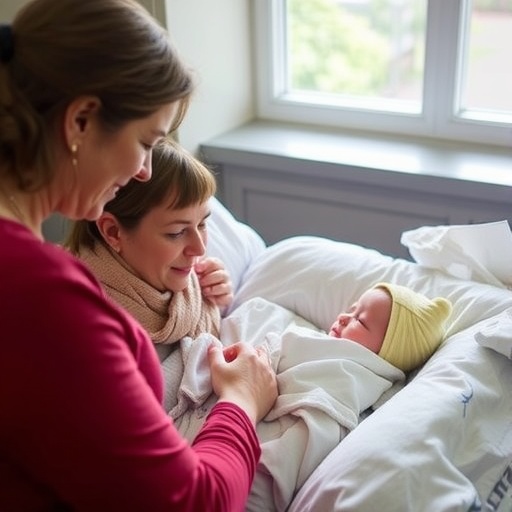
In the rapidly evolving landscape of neonatal care, the incorporation of family perspectives into research endeavors marks a transformative step toward holistic and impactful outcomes. A pioneering initiative highlighted in a recent study explores the design and implementation of a Neonatal Family Research Advisory Council (NFRAC), a framework aimed at fundamentally reshaping how neonatal research integrates the voices of those most intimately affected: the families of newborns receiving critical care.
Traditional neonatal research has often been critiqued for its top-down approach, where clinical priorities overshadow the lived experiences of families navigating the stress and uncertainty of neonatal intensive care units (NICUs). The NFRAC model, as detailed in the reference article published in the Journal of Perinatology, proposes a structured platform where family members are not passive subjects but active contributors from the very inception of research projects. This paradigm shift empowers parents and caregivers to co-create research agendas, ensuring that outcomes align with real-world needs and improve patient-centered care.
The structural design of the NFRAC involves carefully curated recruitment and engagement strategies that prioritize diverse representation across socioeconomic, cultural, and geographic backgrounds. This inclusivity is critical to capturing the full spectrum of family experiences, which vary widely and influence neonatal outcomes in complex ways. By implementing a multi-tiered engagement framework, the council facilitates ongoing communication, feedback loops, and collaborative decision-making processes.
One core innovation of NFRAC is its integration of iterative educational sessions that equip family members with foundational knowledge about neonatal medical terminology, research methodologies, and ethical considerations. This educational component is pivotal; it demystifies the research process, enhances family members’ confidence in contributing, and fosters a true partnership between scientists and participants. This approach transcends tokenistic involvement, cultivating a sense of shared ownership and mutual respect.
From an operational standpoint, the council incorporates advanced digital platforms to ensure accessibility and dynamic interaction, particularly crucial in the post-pandemic era where in-person meetings may be limited. These platforms support virtual workshops, real-time polling, and asynchronous discussions that accommodate varied schedules and caregiving responsibilities. The technological backbone extends the reach of NFRAC beyond geographic constraints, connecting stakeholders nationwide and potentially globally.
Research outcomes influenced by NFRAC have shown promising shifts toward patient and family-centered metrics. Preliminary studies indicate improved relevance of research questions, enhanced enrollment and retention rates in clinical trials, and higher satisfaction among family participants. This increase in stakeholder engagement contributes to more robust and generalizable data, ultimately informing better clinical guidelines and policies in neonatal care.
The ethical implications of involving families as research partners are profound. NFRAC navigates complex issues surrounding consent, privacy, and emotional burden with sensitivity and transparency. The council’s governance structure includes ethics advisors and mental health professionals who provide support and safeguard the well-being of participating families, addressing potential vulnerabilities inherent to this deeply personal research domain.
Importantly, the council’s work intersects with broader trends in personalized medicine, where understanding familial contexts can refine prognostic models and tailor interventions. By acknowledging the social determinants of health and integrating family insights, NFRAC contributes to a more nuanced understanding of neonatal outcomes, bridging gaps between clinical data and lived realities.
Moreover, the implementation of NFRAC has psychological and social benefits for participating families. Engagement in the research process offers a constructive outlet for advocacy, validation of experiences, and a communal sense of purpose. These psychosocial dimensions underscore the council’s role not only as an advisory body but also as a support network that enhances resilience among families facing neonatal challenges.
Sustainability of the NFRAC model hinges on institutional commitment and resource allocation. The study outlines strategic partnerships with hospitals, academic centers, and funding agencies to embed family advisory councils as integral and enduring components of neonatal research infrastructure. This institutionalization is critical to avoid ephemeral initiatives and to cultivate a culture of sustained family engagement.
The scalability of NFRAC also presents an exciting avenue for future exploration. While the initial implementation focused on neonatology, the principles of family-centered research advisory councils have broader applications across pediatric specialties and chronic disease management. This scalability could catalyze systemic changes in patient-centered research paradigms.
In conclusion, the Neonatal Family Research Advisory Council represents a seminal advancement in neonatal healthcare research. By harmonizing scientific rigor with compassionate family involvement, NFRAC models an inclusive, ethical, and effective blueprint for future research collaborations. As neonatal care continues to evolve, initiatives like NFRAC will be instrumental in aligning clinical innovation with the lived needs of families, ultimately improving outcomes and experiences during the critical perinatal period.
The promise of NFRAC lies not only in facilitating immediate research improvements but also in reshaping the culture of neonatal medicine to prioritize partnership, empathy, and inclusivity. As more institutions adopt this model, the collective potential to transform neonatal care landscapes on a global scale becomes increasingly tangible, heralding a new era where family voices resonate at the heart of scientific inquiry.
Cite Scienmag News
Harold Sullivan. (November 7, 2025). Creating a Neonatal Family Research Advisory Council. Scienmag. https://scienmag.com/creating-a-neonatal-family-research-advisory-council/
Harold Sullivan. "Creating a Neonatal Family Research Advisory Council." Scienmag, 7 November 2025, https://scienmag.com/creating-a-neonatal-family-research-advisory-council/. Accessed 4 September 2026.
Harold Sullivan. "Creating a Neonatal Family Research Advisory Council." Scienmag. November 7, 2025. https://scienmag.com/creating-a-neonatal-family-research-advisory-council/


