

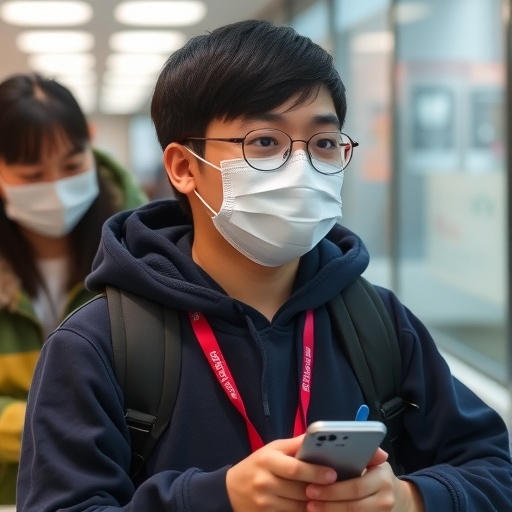
The COVID-19 pandemic has profoundly influenced various aspects of life across the globe, and among the most affected demographics are medical students. A recent study conducted by Zayts-Spence, Luk, and Edmonds underscores the mental health challenges faced by these individuals, particularly in Hong Kong. This research not only highlights the psychological toll endured during economic and educational disruptions but also sheds light on the coping strategies employed by students during this unprecedented period.
In the early stages of the pandemic, medical students were thrust into an environment of uncertainty. The abrupt transition to online learning created significant barriers to their education and interpersonal relationships. Traditional classroom interactions ceased, and the hands-on experiences crucial to medical training were largely replaced by virtual simulations, leaving many students feeling isolated and anxious. The lack of face-to-face contact with peers and instructors contributed to a sense of disconnection, compounding feelings of loneliness and stress.
Furthermore, the increased workload due to the pandemic further exacerbated mental health issues among medical students. Adapting to new learning modalities often came with a steep learning curve, placing an additional burden on their mental well-being. The pressure to maintain high academic performance, coupled with fears about the future of their profession in the context of a crisis, led to heightened levels of anxiety and depression among students.
The study reveals that while some students developed resilience in the face of these challenges, others struggled significantly. Coping mechanisms varied greatly, with some finding solace in peer support and online communities, while others faced their hardships in silence. It’s essential to recognize the diverse coping strategies employed, as they influence students’ mental health trajectories and their overall ability to navigate this tumultuous period.
Moreover, the pandemic disproportionately affected students from marginalized backgrounds who faced additional obstacles. Financial instability, lack of access to technology, and inadequate support systems intensified their struggles. The research underscores the importance of equitable support measures that cater to the diverse needs of all students, ensuring that no one is left behind in their pursuit of education and well-being.
The study also highlights the role of academic institutions in supporting the mental health of their students. Institutions must not only recognize the signs of psychological distress but also implement comprehensive wellness programs aimed at fostering a supportive environment. The need for more mental health resources, clear communication, and accessible counseling services is paramount. By prioritizing mental health, universities can cultivate a culture of openness, where students feel comfortable seeking help when needed.
Furthermore, the implications of the findings extend beyond the immediate context of medical education. As future healthcare professionals, these students will carry their mental health experiences into their careers. The ability to manage stress and seek help when needed is crucial in the field of medicine, where compassion fatigue and burnout are prevalent. Educating medical students on mental health management will have lasting impacts on the healthcare system.
The study’s findings also serve as a crucial reminder for policymakers and educational leaders. Addressing mental health in educational settings should be a priority, with initiatives aimed at preventing burnout and promoting self-care among students. The pandemic has underscored the pressing need for comprehensive mental health policies that are integrated into the educational framework, shaping a new generation of healthcare workers who prioritize mental health not only for themselves but for their patients as well.
As we continue to navigate the repercussions of the COVID-19 pandemic, ongoing research is necessary to ascertain the long-term effects on students’ mental health. Understanding how these experiences shape their future practices in medicine will be essential for fostering a healthier, more empathetic healthcare workforce. The insights gained from Zayts-Spence, Luk, and Edmonds’ work will undoubtedly contribute to this evolving dialogue, illuminating pathways to a more supportive medical education environment.
In conclusion, the impact of the pandemic on the mental health experiences of medical students cannot be overstated. The research by Zayts-Spence and colleagues provides a vital academic contribution, shedding light on the urgency for change within medical training programs. As we look to the future, the lessons learned from this pandemic must inform how we educate and support medical students, ensuring they are equipped not only clinically but also personally to face the challenges of their profession.
The implications of this research are significant and far-reaching. Medical schools must recognize the essential nature of mental health resources and implement strategies that support their students. The enhancement of mental health services, improvements in student support systems, and the incorporation of mental health topics into the medical curriculum are critical steps. Only by addressing these issues can we hope to nurture a generation of healthcare professionals who are resilient, compassionate, and well-prepared to meet the needs of their patients.
Ultimately, the findings of this study challenge the status quo and urge us to reflect on our approach to medical education. By prioritizing mental health and well-being, we can create a more sustainable, fulfilling educational journey for future generations of medical professionals, profoundly influencing the landscape of healthcare for the better.
Subject of Research: Mental health experiences of medical students during the COVID-19 pandemic in Hong Kong.
Article Title: The impact and implications of the COVID-19 pandemic on the mental health experiences of medical students in Hong Kong.
Article References:
Zayts-Spence, O., Luk, P. & Edmonds, D.M. The impact and implications of the COVID-19 pandemic on the mental health experiences of medical students in Hong Kong.
BMC Med Educ 25, 1739 (2025). https://doi.org/10.1186/s12909-025-08133-3
Image Credits: AI Generated
DOI: https://doi.org/10.1186/s12909-025-08133-3
Keywords: COVID-19, medical students, mental health, Hong Kong, education, resilience, counseling services, support systems.


