


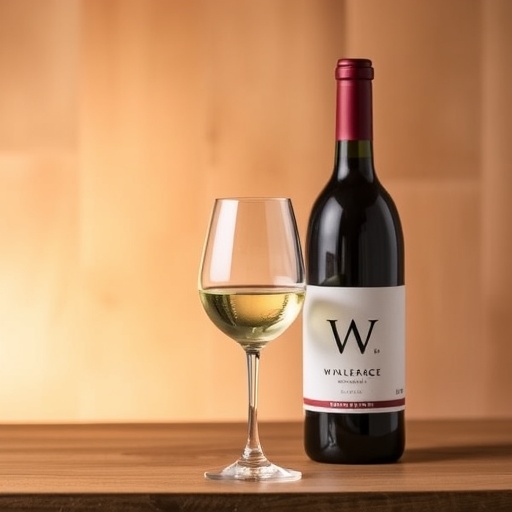
For nearly four centuries, glass has reigned supreme as the preferred container for wine, a tradition now examined through the lens of sustainability and modern consumer perception. A pioneering study published in the journal Cleaner and Responsible Consumption sheds new light on how American wine drinkers perceive glass versus alternative packaging. Conducted by University of Arkansas Division of Agriculture researchers, the survey highlights an evolving landscape where environmental concerns may gradually reshape long-standing preferences.
The integrity of wine depends heavily on its packaging, which protects the beverage’s complex chemical profile from light, oxygen, temperature fluctuations, and microbial contamination. Glass, prized for its impermeability and inertness, has historically preserved wine quality during transportation and storage. Yet, with innovations in materials science, alternatives such as aluminum cans, polyethylene terephthalate (PET) bottles, paper-based cartons, and flexible pouches are now entering the market, each pitching their sustainability credentials and convenience.
This comprehensive study surveyed 2,000 U.S. wine consumers, stratified across generational cohorts—Baby Boomers, Generation X, Millennials, and Generation Z—to understand willingness to pay for a standardized 750-milliliter serving of wine packaged in various formats. Participants received varying levels of sustainability information to gauge how carbon footprint and recyclability facts influence consumer valuation. The research team’s goal was to unravel whether educational cues could alter entrenched perceptions tied closely to packaging tradition.
Unsurprisingly, traditional glass bottles maintained their dominance. Gen Z consumers revealed the highest willingness to pay, averaging $35.38 for a glass bottle, indicating that younger drinkers still associate quality and prestige with this packaging. Conversely, Boomers, steeped in decades of wine-drinking culture, were willing to pay $29.77 on average, showing a cautious but continuing preference for glass. Aluminum containers emerged as a distant second choice, favored notably for their environmental footprint and recyclability, while flexible pouches and PET bottles were met with reluctance, especially from Millennials.
Lead study author Walker Bartz expressed surprise at the low valuation for flexible packaging, which many industry insiders predicted would be embraced for its reduced material use and transportation efficiency. “Consumers appear to be deeply influenced by the traditional visual and tactile cues associated with glass,” Bartz explained, “suggesting a psychological barrier that new packaging must overcome to gain traction.” Interestingly, enthusiasm for aluminum was tempered by consumer skepticism, despite its proven success in the craft beer sector, highlighting different acceptance dynamics in wine culture.
When participants were provided educational information about packaging sustainability, notably carbon footprints, their willingness to pay diverged significantly. Those educated on carbon emissions linked to packaging showed the highest readiness to pay for glass bottled wine, at $25.37. Those only informed about recyclability were slightly less enthusiastic, and uninformed participants showed the lowest willingness to invest in premium packaging options. This nuanced finding underscores the critical role of effective communication in shaping sustainable consumption.
However, consumer perception of sustainability was not monolithic. Approximately 45 percent of respondents identified glass as the most environmentally friendly choice, while nearly 39 percent believed it to be the least sustainable. This polarization reflects the complexity of sustainability narratives around glass, which is infinitely recyclable but energy-intensive to produce and transport due to its weight. Alternative materials promise lighter footprints but often carry negative associations regarding product quality and recyclability infrastructure.
The study notes an additional wrinkle: the global glass shortage during the COVID-19 pandemic, which disrupted supply chains and may fuel a pragmatic shift toward alternative containers for wines intended for near-term consumption. “Sustainability messaging, combined with market forces like supply constraints, creates a fertile ground for innovation in packaging,” said Renee Threlfall, co-author and viticulture expert. “This could accelerate consumer openness to alternatives, especially if carbon footprint labeling becomes standardized.”
Economic considerations also shape decision-making. While glass remains the “premium” symbol, younger consumers demonstrate a niche willingness to explore novel packaging formats. Lanier Nalley, co-author and head of agricultural economics at the Division of Agriculture, emphasized the value of tailoring marketing to these emerging preferences without alienating traditionalists. He noted the pervasive confusion consumers face around sustainability certifications and jargon, which hampers meaningful engagement with eco-labels and could limit the uptake of alternatives despite their inherent advantages.
The study contributes actionable insights for winemakers, packaging engineers, and marketers navigating a rapidly evolving market. Labeling schemes detailing carbon footprints could become pivotal in distinguishing products and justifying price points. Yet, the authors caution against simplistic messaging, advocating for transparency and context to empower consumers in discerning authentic sustainability claims amidst a crowded marketplace.
Beyond consumer sentiment, the research grounds its findings in the broader economic footprint of U.S. wine production, which ranks fourth globally at approximately 623 million gallons annually. The sector creates $323 billion in economic activity, encompassing wages, tourism, and tax revenues, underscoring the importance of aligning sustainability innovation with industry vitality. As the wine industry evolves, packaging choices will play an essential role in balancing heritage values with ecological responsibility.
In sum, while glass bottles remain the gold standard for preserving wine quality and signaling prestige, the future beckons with a more diversified packaging landscape. Consumer willingness to embrace alternatives depends heavily on education, transparency, and nuanced appreciation of sustainability’s trade-offs. This research pioneers pathways to meet rising environmental expectations without sacrificing the sensory and cultural experiences intrinsic to wine.
Cite Scienmag News
Courtney Benton. (April 23, 2026). Could Glass Lose Its Reign as Wine’s Preferred Packaging? Researchers Explore Consumer Views on Wine Containers. Scienmag. https://scienmag.com/could-glass-lose-its-reign-as-wines-preferred-packaging-researchers-explore-consumer-views-on-wine-containers/
Courtney Benton. "Could Glass Lose Its Reign as Wine’s Preferred Packaging? Researchers Explore Consumer Views on Wine Containers." Scienmag, 23 April 2026, https://scienmag.com/could-glass-lose-its-reign-as-wines-preferred-packaging-researchers-explore-consumer-views-on-wine-containers/. Accessed 3 September 2026.
Courtney Benton. "Could Glass Lose Its Reign as Wine’s Preferred Packaging? Researchers Explore Consumer Views on Wine Containers." Scienmag. April 23, 2026. https://scienmag.com/could-glass-lose-its-reign-as-wines-preferred-packaging-researchers-explore-consumer-views-on-wine-containers/


