

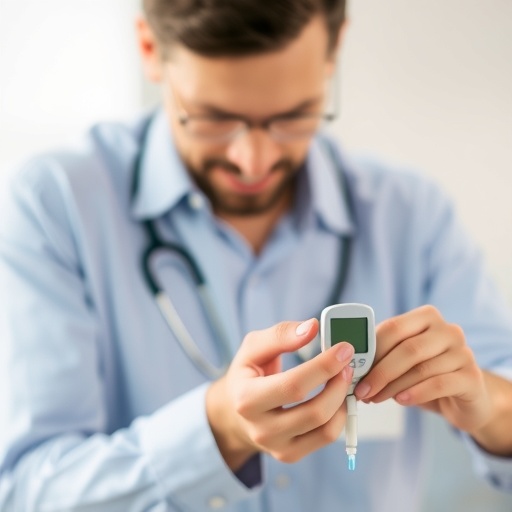
Recent advancements in diabetes management have led to the development of real-time continuous glucose monitoring (CGM) systems. A ground-breaking study has emerged from Australia, shedding light on the cost-effectiveness of these high-tech devices compared to traditional self-monitoring of blood glucose (SMBG) methods in patients with insulin-treated Type 2 diabetes. This research, conducted by a team of experts including Alshannaq, Simmons, and Matuoka, lays the groundwork for future enhancements in diabetes treatment modalities by providing a rigorous economic analysis that could influence healthcare policies and clinical practices.
Continuous glucose monitoring systems offer real-time insights into blood glucose fluctuations, a feature that traditional SMBG practices lack. For patients managing Type 2 diabetes, having immediate access to glucose levels can facilitate timely interventions and adjustments in therapy, thereby enhancing glycemic control. The research highlights how real-time feedback on glucose levels can help patients adjust their diet, activity, and medication schedules, ultimately leading to fewer diabetes-related complications and hospitalizations.
Despite the apparent advantages associated with CGM technology, its higher costs have been a point of contention among healthcare professionals and policymakers. The study evaluated not only the immediate costs related to device acquisition but also the long-term savings generated by preventing complications associated with poorly managed diabetes. This extensive cost-effectiveness analysis provides crucial data that can inform both patients and healthcare providers about the value of embracing modern diabetes management technologies.
Furthermore, the study differentiated between two distinct approaches in diabetes monitoring—CGM and SMBG—by assessing patient outcomes related to both strategies. The findings suggest that while SMBG requires patients to perform multiple finger-prick tests daily, the automation offered by CGM significantly reduces the burden of self-monitoring. Patients using CGM reported an improved quality of life, primarily because they could monitor their glucose levels more frequently without the discomfort of frequent blood draws.
In terms of economic considerations, the research outlined how the upfront costs of implementing CGM systems can be offset by reductions in healthcare utilization. For instance, patients reliant on SMBG often face hospital visits due to hyperglycemic crises or severe hypoglycemia, events that can be mitigated by proactive glucose management facilitated through CGM. The implications for healthcare budgets are profound, suggesting a reallocation of resources towards preventive measures that leverage technology to improve patient outcomes.
The dangers of poorly managed diabetes are not just medical; they are societal and economic as well. The study meticulously documented the incidence of diabetes complications—including cardiovascular disease, neuropathy, and kidney failure—that could arise from inadequate glucose control, highlighting the urgent need for effective monitoring solutions. In a broader context, investing in CGM technology may not simply change individual lives; it could transform healthcare systems burdened by chronic disease management.
As the authors delved into the data, they emphasized the importance of understanding patients’ perspectives. Acceptability and adherence to monitoring systems were assessed, with CGM generally being well-received among participants, many of whom noted a reduction in anxiety associated with unpredictable blood glucose levels. The psychological benefits of real-time monitoring should not be underestimated, as a sense of control often translates to better health outcomes.
Moreover, the study addressed aspects of accessibility, recognizing that technological advancements often come with disparities in availability. Policymakers are urged to consider equitable access to CGM technologies, ensuring that all patients with diabetes, regardless of socioeconomic status, can benefit from innovations in blood glucose monitoring. This analysis highlights the need for healthcare systems to adapt and create frameworks that support widespread access to both CGM technologies and education on their use.
Regulatory bodies and health agencies must navigate the complexities of integrating CGM into routine clinical practice. The research posits that clear guidelines and protocols should be established to govern the deployment of CGM devices, addressing issues ranging from prescription processes to insurance reimbursements. Such frameworks are essential for the safe and effective use of CGM technologies in enhancing diabetes management practices.
In conclusion, the study conducted by Alshannaq et al. presents compelling evidence advocating for the integration of real-time continuous glucose monitoring devices as a viable and cost-effective alternative to traditional self-monitoring techniques. The economic analysis outlines not just the benefits to individual patients but also potential healthcare savings for broader healthcare systems. As more individuals with Type 2 diabetes adopt these advanced monitoring solutions, the hope is to see improvements in clinical outcomes alongside decreases in long-term healthcare costs.
This research serves as a vital stepping stone toward reevaluating diabetes management strategies and considering technological advancements as crucial components of effective treatment paradigms. It is an urgent call to action for healthcare organizations, providers, and policy-makers to embrace and invest in modern technologies that empower patients and promote better health outcomes for those living with diabetes.
The balance of immediate costs versus long-term savings will play a crucial role in future healthcare decisions, but embracing real-time continuous glucose monitoring could very well redefine diabetes care in the coming years. This thorough examination serves as a wake-up call, illuminating the path toward smarter, more effective diabetes management strategies that prioritize patient welfare and economic sustainability alike.
Subject of Research: Evaluating the Cost-Effectiveness of Real-Time Continuous Glucose Monitoring Versus Self-Monitoring of Blood Glucose in Patients with Insulin-Treated Type 2 Diabetes
Article Title: Evaluating the Cost-Effectiveness of Real-Time Continuous Glucose Monitoring Versus Self-Monitoring of Blood Glucose in the Treatment of Patients with Insulin-Treated Type 2 Diabetes in Australia
Article References: Alshannaq, H., Simmons, D., Matuoka, J.Y. et al. Evaluating the Cost-Effectiveness of Real-Time Continuous Glucose Monitoring Versus Self-Monitoring of Blood Glucose in the Treatment of Patients with Insulin-Treated Type 2 Diabetes in Australia. Adv Ther (2025). https://doi.org/10.1007/s12325-025-03430-1
Image Credits: AI Generated
DOI: https://doi.org/10.1007/s12325-025-03430-1
Keywords: Continuous Glucose Monitoring, Self-Monitoring of Blood Glucose, Cost-Effectiveness, Type 2 Diabetes, Health Economics, Diabetes Management, Patient Outcomes, Preventive Healthcare


