


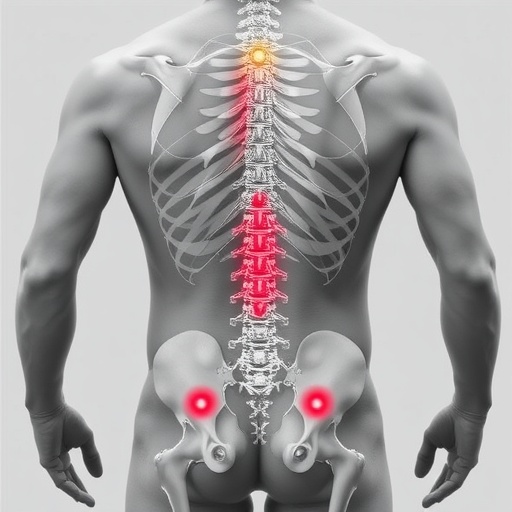
A groundbreaking study led by researchers Hong J. and Shin HJ addresses a crucial element within the realm of biomedical engineering: micturition control through innovative stimulation techniques. This research, positioned at the convergence of neurology and bioengineering, explores the modulation of external urethral sphincter (EUS) nerves at the spinal cord using fiber optic stimulation. This novel approach could significantly enhance our understanding of urinary control mechanisms, and potentially lead to transformative solutions for individuals suffering from urinary incontinence or neurogenic bladder conditions.
The activation of EUS nerves has traditionally been challenged by the need for precise control and minimal invasiveness. In most cases, conventional electrical stimulation methods exhibit limitations, often resulting in discomfort or suboptimal efficacy. The advent of fiber optic technology introduces a fresh perspective; it allows for targeted illumination and stimulation of specific neural populations. This cutting-edge technique can increase the precision and effectiveness of therapies related to micturition control, thereby stemming from increasingly sophisticated applications seen in neuroprosthetics.
Fiber optic stimulation leverages light to activate neurons through photosensitive compounds, offering a non-invasive alternative to traditional electrical stimulation methods. This method holds promise, particularly for sensitive areas such as the spinal cord, where traditional electrical impulses may cause adjacent muscles to react inappropriately. By using fiber optics, the focus is narrowed to precise cellular targets, which could lead to more coordinated and effective control of urinary function.
Another notable aspect of the research involves the potential to alleviate the burdens faced by populations with spinal cord injuries. These individuals often experience bladder dysfunction, making routine activities cumbersome and diminishing their quality of life significantly. The findings of this study may serve as a beacon of hope for these patients, presenting an opportunity to regain control over their urinary functions and improve their overall independence.
Furthermore, the impact of this research is amplified when considering the aging population, where urinary incontinence is a growing concern. As the demographic shifts and the elderly population expands, solutions for urinary control are increasingly necessary. Harnessing fiber optic technology for nerve stimulation in this domain could essentially redefine treatment protocols and enhance life quality among older adults.
Moreover, understanding the underlying mechanisms of micturition control expands the field of neurobiology. The activation of specific neural pathways associated with the EUS via fiber optics offers new insights into how central nervous system structures interact with urinary systems. Such understanding can facilitate the development of advanced treatments targeting other neurological conditions, potentially paving the way for interdisciplinary treatments that couple neurology and urology.
The implications of this research extend beyond micturition control itself, as it illuminates the vast possibilities existing within biomedical engineering as a whole. The fiber optic methodology showcased in this study could be adapted to a myriad of applications, unveiling new avenues to address disorders originating from nerve dysfunction in various areas of the body. This kind of versatility not only enhances the attractiveness of fiber optic techniques but also underscores the future of personalized medicine.
As researchers delve deeper into the specifics of nerve activation techniques, the integration of advanced imaging technology and artificial intelligence into the process could further enhance outcomes. In-depth imaging may provide real-time feedback during stimulation treatments, enabling researchers to fine-tune interventions dynamically to achieve optimal results. This synergy between advanced technologies could mark a significant leap forward in the precision medicine approach.
While the study offers immense promise, further research and clinical trials will be essential to validate the safety and effectiveness of fiber optic stimulation for micturition control. The established principles gained from this foundational research must transition from experimental settings to practical, clinical applications in wider patient populations. Stakeholders in the biomedical field anxiously await results from forthcoming studies that will either support or refine these innovative approaches.
In conclusion, Hong and Shin’s work exemplifies the potential that modern technology has in addressing age-old medical challenges. The method of stimulating EUS nerves at the spinal cord using fiber optic techniques stands at the precipice of a new era in treatment protocols for urinary dysfunction. As advancements unfold, the medical community remains optimistic about the future, where patients may benefit from robust, efficient, and perhaps even revolutionary treatments that empower them in regaining control over their lives.
As ongoing developments unfold in this domain, it is critical for interdisciplinary collaboration across various fields to ensure comprehensive solutions that encompass both technical and medical perspectives. This collaboration will be vital in guiding research efforts toward effective clinical applications and better health outcomes for individuals facing these intricate health issues. Each advancement paves the way for ingenious solutions, reaffirming the promise that the evolving landscape of biomedical engineering holds for the future of health and well-being.
Cite Scienmag News
Ophelia Keating. (November 4, 2025). Controlling Urination via Spinal EUS Nerve Stimulation. Scienmag. https://scienmag.com/controlling-urination-via-spinal-eus-nerve-stimulation/
Ophelia Keating. "Controlling Urination via Spinal EUS Nerve Stimulation." Scienmag, 4 November 2025, https://scienmag.com/controlling-urination-via-spinal-eus-nerve-stimulation/. Accessed 29 November 2026.
Ophelia Keating. "Controlling Urination via Spinal EUS Nerve Stimulation." Scienmag. November 4, 2025. https://scienmag.com/controlling-urination-via-spinal-eus-nerve-stimulation/




