

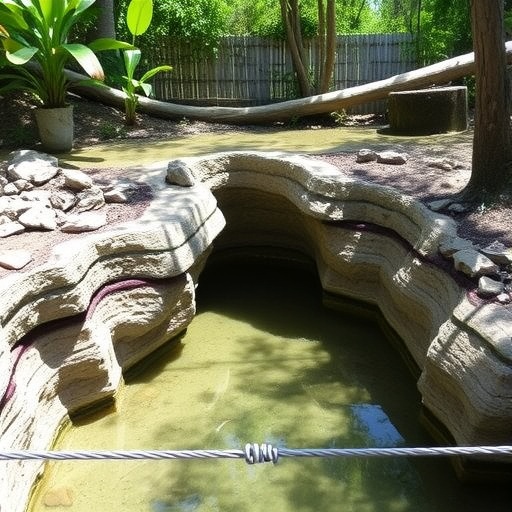
In the heart of Mexico’s mesmerizing coastline, a compelling study has emerged that unravels the intricate interplay between anthropogenic actions and groundwater integrity. The research, spearheaded by scientists Cortazar-Cepeda and Gonzalez-Herrera, delves into the intricacies of a coastal karstic aquifer in Puerto Morelos, a location not just rich in biodiversity but also at the frontline of environmental scrutiny. The burgeoning impacts of contamination serve as the backdrop to this insightful investigation, illustrating the critical need for sustainable interactions between human activities and fragile ecosystems.
Karstic aquifers, formed through the dissolution of soluble rocks like limestone, are vital freshwater resources that often serve communities living in proximity to coastal areas. In Puerto Morelos, the delicate balance of this aquifer is increasingly threatened by a multitude of contaminative pressures emanating from urban development and tourism. The study sheds light on the mechanisms through which contaminants infiltrate these aquifers, posing significant risks not only to the local wildlife but to the very communities that rely on this water for their livelihoods.
This research is not merely an academic exercise; it presents a dire narrative that urges stakeholders—from policymakers to local residents—to acknowledge the vulnerabilities inherent in their environmental framework. As coastal tourism flourishes, so do the challenges associated with waste management and water quality. The findings emphasize the alarmingly swift rate at which pollutants can traverse through the karst landscape, thereby accelerating contamination processes. This dynamic poses a real-time threat that can compromise the water safety of entire towns.
Groundwater contamination varies in its sources and impact, with this study meticulously identifying key points of vulnerability within the aquifer system in Puerto Morelos. The detailed analysis sheds light on nitrates from agricultural runoff, septic system leaks, and untreated wastewater as primary contributors to the degradation of this essential water source. The research illustrates that, while the aquifer appears visually pristine, the unseen biochemical processes present a lurking danger that warrants immediate attention.
As researchers navigate through data gleaned from extensive field studies, they construct a compelling case for greater oversight and protective measures. The complexities of groundwater flow in coastal karst systems require sophisticated modeling approaches to understand how contaminants spread and interact with the existing water quality. The research employs cutting-edge methodologies, including geochemical experiments and flow simulations, that provide a deeper insight into the fate of pollutants once introduced into the aquifer system.
Moreover, the implications of these findings resonate beyond Puerto Morelos. Similar coastal karst systems globally face the impending threat of contamination, urging an international call to action. It becomes abundantly clear that the experiences gleaned from this study could serve as a blueprint for other vulnerable regions, fostering a more informed response to environmental hazards that threaten freshwater resources.
In juxtaposition with the growing tourism sector, the research articulated the necessity for implementing sustainable practices. Effective management strategies are paramount to preserving the integrity of karst aquifers, which necessitates collaboration between different sectors, including tourism, agriculture, and local governance. Implementing water conservation measures, improving waste treatment processes, and adopting responsible tourism practices can diminish the anthropogenic pressure on these vital ecosystems.
The study is also a pivotal reminder of the role of community engagement in environmental stewardship. Local populations must be educated about the impacts of contamination and be empowered to participate in conservation efforts actively. Fostering a culture of environmental awareness and responsibility will be crucial in mitigating the adverse effects of pollution on both the aquifer and the community’s health.
In highlighting the pressing issue of groundwater contamination in Puerto Morelos, the research by Cortazar-Cepeda and Gonzalez-Herrera provides a clear narrative. Their work emphasizes the importance of scientific research in informing policy, promoting sustainability, and advocating for robust environmental protections. As more communities confront similar ecological dilemmas, the insights derived from this coastal karstic aquifer study could catalyze necessary changes in environmental practices worldwide.
The global scientific community watches closely as the findings ripple through ecological literature, emphasizing the interconnectivity of ecosystems and human impacts. A crisis in one location can serve as a harbinger for similar challenges elsewhere. The potential for this research to act as a beacon of hope in developing preservation-based policies illuminates the profound impact that rigorous scientific inquiry can have on environmental discourse.
In summary, the work surrounding the coastal karstic aquifer of Puerto Morelos serves as a crucial reminder of the indispensable link between water quality and community health. This research forms a robust plea for proactive measures to counter contamination threats and safeguard both natural resources and human well-being. The narrative posits that it is not too late for collective action, urging society to recognize the value of preserving our freshwater resources while enabling economic growth through sustainable practices.
Through this nuanced approach to environmental issues, the study exemplifies a path forward, merging scientific insights with actionable strategies that resonate across borders and ecosystems. As the echoes of Puerto Morelos’ karst aquifer resonate throughout the scientific community, they forge a meaningful dialogue about our stewardship of fragile environments.
Subject of Research: Coastal pollution and its effects on karst aquifers.
Article Title: A coastal karstic aquifer response to contamination: Puerto Morelos, México.
Article References:
Cortazar-Cepeda, M.H., Gonzalez-Herrera, R.A. A coastal karstic aquifer response to contamination: Puerto Morelos, México.
Environ Sci Pollut Res (2026). https://doi.org/10.1007/s11356-025-37376-2
Image Credits: AI Generated
DOI: https://doi.org/10.1007/s11356-025-37376-2
Keywords: Coastal aquifer, groundwater contamination, karst ecosystems, environmental sustainability, Puerto Morelos.


