


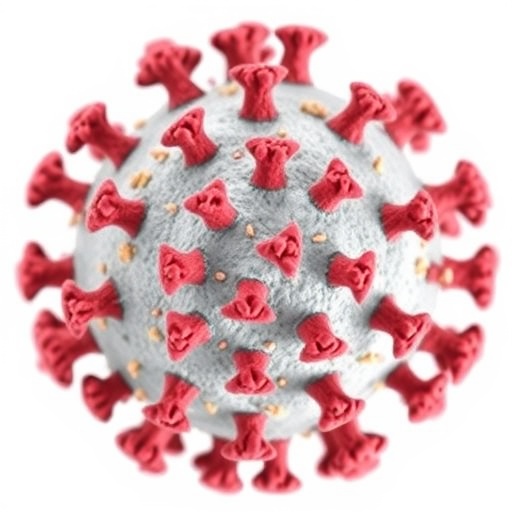
In the realm of virology, Capripox viruses have garnered increasing attention due to their significant impact on livestock health. These viruses, which include species that cause diseases such as sheep pox, goat pox, and lumpy skin disease in cattle, are influenced by various environmental and biological factors. A pivotal study conducted by Breman and colleagues provides a comprehensive comparison of whole genome sequencing approaches for these viruses, which can facilitate better understanding and management strategies in veterinary health.
Whole genome sequencing (WGS) has emerged as a transformative technology in the field of genomics. Traditionally, sequencing was a costly and time-consuming endeavor with limitations in resolution and accuracy. However, advances in sequencing technologies, such as next-generation sequencing (NGS), have revolutionized our ability to produce high-quality genomic data more quickly and affordably. For Capripox viruses, high-resolution genomic data are vital for tracking viral transmission, understanding genetic diversity, and developing effective vaccines.
The study by Breman et al. aims to evaluate the various WGS platforms available to researchers studying Capripox viruses. By analyzing the genomic output of different sequencing methods, the researchers sought to identify the strengths and limitations inherent in each approach. Such comparative assessments are crucial in establishing a reliable methodology for future Capripox virus studies. Identifying the most effective sequencing platform has implications not only for researchers but also for policy-makers and veterinarians who rely on accurate molecular data for disease control and prevention.
Among the sequencing methods analyzed were traditional Sanger sequencing, which has been the gold standard for many years, and newer NGS technologies, which allow for the massive parallel sequencing of genetic material. The ability to sequence multiple samples simultaneously can drastically reduce the time required to gather crucial genomic data and can reveal insights into viral evolution and pathogenicity. Given the vector-borne nature of Capripox viruses, understanding their genetic makeup is paramount to predicting outbreaks and implementing timely responses.
Furthermore, the results of this comparative study could help standardize sequencing methodologies across laboratories. Variability in sequencing results can lead to discrepancies in data interpretation, impacting crucial decisions in vaccine development and epidemiological studies. By providing a roadmap of best practices and recommendations based on empirical data, Breman et al. hope to streamline research efforts and foster cross-institutional collaboration in the fight against Capripox viruses.
Importantly, the study underscored the significance of data quality in sequencing. The depth of coverage, which refers to how many times a single nucleotide is read during the sequencing process, plays a crucial role in ensuring accurate and reliable output. Low coverage can lead to missed variants and can obscure the true genetic diversity of the viral populations being studied. The researchers focused on methods that not only enhance coverage but also improve the fidelity of sequences obtained.
Another key aspect of the study was the evaluation of bioinformatics tools and their role in analyzing sequencing data. The interpretation of genomic sequences significantly depends on sophisticated analytical tools that can handle the vast amount of information produced during sequencing. Whether researchers use proprietary software or open-source tools, the study highlights the importance of effective data management and analytical pipelines in deriving meaningful conclusions from genomic studies.
Additionally, the authors discussed the ethical considerations involved in whole genome sequencing of pathogens. As genomic data becomes increasingly accessible, the potential for misuse or accidental release of sensitive information poses significant risks. The research community must establish robust guidelines to ensure that sequencing efforts contribute to public health without compromising biosafety and biosecurity.
By implementing best practices in the application of WGS technology, the potential for developing targeted vaccines and treatments for Capripox diseases increases exponentially. Understanding the genetic variations present in different viral strains can inform vaccine composition, improving efficacy and minimizing the risk of vaccine failure. As the study indicates, leveraging genomic data will play a pivotal role in developing strategies to control and prevent Capripox virus outbreaks in livestock populations.
The implications of these findings extend beyond veterinary medicine; they touch upon food security and agricultural economics. The diseases caused by Capripox viruses result in substantial economic losses in the livestock industry, affecting farmers and food supply chains globally. Enhanced genomic surveillance via proper sequencing methodologies can empower stakeholders to take proactive measures to safeguard livestock health and ensure the sustainability of agricultural practices.
In conclusion, the work of Breman and collaborators represents a notable advancement in understanding Capripox viruses through whole genome sequencing. Their comparative analysis of sequencing technologies delivers essential insights that can lead to improved genomic surveillance and intervention strategies. By prioritizing data quality, establishing standardized practices, and addressing ethical implications, the scientific community can make significant strides in combatting the challenges posed by these economically and ecologically important viruses.
This study not only lays the groundwork for future research but acts as a clarion call to the veterinary and public health sectors to embrace the power of modern genomics. The potential of WGS to illuminate the complexities of viral infections, improve response strategies, and ultimately safeguard animal and human health cannot be overstated.
As researchers and practitioners reflect on the findings presented in this study, it becomes increasingly evident that enhanced collaboration and innovation in sequencing methodologies will propel efforts to control Capripox viruses and other emerging infectious diseases. The future trajectory of global animal health will undoubtedly be influenced by developments in genomic sciences that enable us to decipher the genetic blueprints of these formidable pathogens.
Breman, F.C., Hoffman, S., Haegeman, A. et al. Comparison of whole genome sequencing approaches for Capripox viruses. BMC Genomics (2026). https://doi.org/10.1186/s12864-025-12463-3
Cite Scienmag News
Juliet Wilcox. (January 9, 2026). Comparing Whole Genome Sequencing Methods for Capripox Viruses. Scienmag. https://scienmag.com/comparing-whole-genome-sequencing-methods-for-capripox-viruses/
Juliet Wilcox. "Comparing Whole Genome Sequencing Methods for Capripox Viruses." Scienmag, 9 January 2026, https://scienmag.com/comparing-whole-genome-sequencing-methods-for-capripox-viruses/. Accessed 3 September 2026.
Juliet Wilcox. "Comparing Whole Genome Sequencing Methods for Capripox Viruses." Scienmag. January 9, 2026. https://scienmag.com/comparing-whole-genome-sequencing-methods-for-capripox-viruses/


