


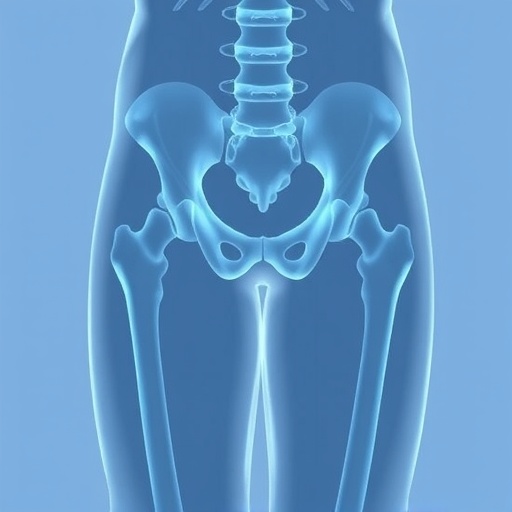
Hip fractures represent a significant and growing challenge within healthcare systems globally, particularly as populations continue to age. The impact of these fractures stretches far beyond the immediate injury, influencing morbidity, mortality, and long-term functional outcomes. A recent comprehensive study led by Bayar, Cengiz, Erdoğan, and colleagues, published in BMC Geriatrics in 2026, offers groundbreaking insights into how preexisting medical conditions, or comorbidities, profoundly affect both preoperative and postoperative outcomes in patients suffering hip fractures. This exploration is essential for refining clinical strategies and optimizing recovery trajectories for this vulnerable population.
The study delves deep into the multifaceted role that comorbidities play in the management of hip fracture patients, emphasizing their influence on surgical decisions, perioperative care, and rehabilitation prospects. Comorbidities such as cardiovascular disease, diabetes mellitus, chronic kidney disease, and respiratory disorders were examined to understand their potential to complicate the surgical course and impact recovery. The investigation leverages a robust cohort of elderly patients, meticulously analyzing data to quantify risk and prognostic implications tied to these underlying chronic conditions.
One of the pivotal findings from this research is the correlation between the number and severity of comorbidities and increased postoperative complications. Patients burdened with multiple chronic illnesses exhibited a notably higher incidence of adverse events, including infections, delayed wound healing, thromboembolic phenomena, and cardiovascular instability. These complications not only extend hospital stays but also elevate healthcare costs and mortality risk, underscoring the critical need for vigilant perioperative management tailored to the unique risk profiles presented by comorbid conditions.
In examining preoperative outcomes, the research highlights how comorbidities contribute to increased frailty and diminished physiological reserve. This compromised baseline impairs patients’ ability to withstand surgical stress, frequently leading to perioperative hemodynamic fluctuations and metabolic disarray. The study draws particular attention to the challenges of anesthetic management in this subgroup, where delicate balancing is required to minimize intraoperative risk without exacerbating underlying diseases such as congestive heart failure or chronic obstructive pulmonary disease.
A revolutionary aspect of the investigation involves the integration of predictive modeling to assess patient prognosis based on comorbidity indices. These predictive tools incorporate clinical variables and laboratory markers, enabling clinicians to stratify patients according to expected surgical risk. This level of precision medicine offers an unprecedented opportunity to personalize care plans — from preoperative optimization strategies to postoperative monitoring protocols — potentially reducing complication rates and enhancing functional recovery after hip fracture surgery.
From a pathophysiological standpoint, the study explores how chronic systemic inflammation associated with many comorbidities may impair bone healing and tissue regeneration. Conditions like diabetes and chronic kidney disease are implicated in altered cellular signaling pathways, angiogenesis inhibition, and extracellular matrix remodeling deficits. These molecular disruptions create an unfavorable environment for fracture repair, highlighting the interplay between systemic disease and local bone biology that must be addressed to improve outcomes.
Beyond the immediate surgical episode, the research brings new understanding to the long-term repercussions of comorbidities on rehabilitation efficacy and mortality. Patients with significant comorbidity burdens often face prolonged immobilization, increased susceptibility to secondary complications such as pneumonia and pressure ulcers, and decreased likelihood of returning to baseline functional independence. Such findings stress the importance of multidisciplinary approaches involving geriatricians, physiotherapists, nutritionists, and social support systems to mitigate these risks.
The authors advocate for an enhanced role of prehabilitation programs designed to optimize comorbid conditions prior to surgery. Carefully structured interventions targeting cardiovascular fitness, glycemic control, anemia correction, and nutritional supplementation could substantially improve both surgical candidacy and postoperative resilience. Implementing such programs at the system level represents a paradigm shift toward proactive rather than reactive care in fragility fracture management.
Another critical dimension addressed is the surgical timing relative to comorbidity stabilization. The study provides evidence suggesting that delaying surgery to improve control of comorbid illnesses may sometimes mitigate immediate perioperative risks but must be carefully balanced against the risks of prolonged immobilization. This nuanced understanding encourages individualized decision-making, reflecting patient-specific health status rather than rigid adherence to predefined timelines.
Interestingly, the research also investigates the influence of polypharmacy in patients with multiple comorbidities undergoing hip fracture repair. Extensive medication regimens potentially contribute to adverse drug interactions, increased bleeding risk with anticoagulants, and impaired bone metabolism linked to certain pharmacological agents. These factors necessitate thorough medication reconciliation and adjustment as integral components of surgical preparation.
Advancements in biomarker discovery are poised to complement the study’s findings by enabling dynamic monitoring of patient inflammatory states and organ function throughout the perioperative period. Such innovations could further refine risk assessment models and facilitate rapid identification of patients trending toward complications, allowing for timely interventions that alter the postoperative trajectory.
In terms of clinical practice implications, this study underscores the indispensability of comprehensive geriatric assessment frameworks integrated within orthopedic trauma care pathways. Systematic evaluation of comorbidities and functional status should be standard to guide therapeutic decisions and resource allocation, providing an evidence-based foundation for improving survival and functional outcomes.
Crucially, the research calls for enhanced collaboration between orthopedic surgeons, anesthesiologists, internists, and rehabilitation specialists to design cohesive care protocols responsive to the complexities imposed by comorbidities. This interdisciplinary synergy is fundamental to transcending siloed care models that have traditionally hampered patient-centered outcomes in this domain.
Emerging technologies, such as machine learning algorithms and electronic health record analytics, are highlighted as promising tools in operationalizing comorbidity-informed care plans. Automating risk prediction and alert systems could improve real-time clinical decision-making, ultimately elevating standards of care for hip fracture patients with concurrent chronic diseases.
The study not only adds a significant layer of understanding to the epidemiology and management of hip fractures but also challenges healthcare providers to reimagine care delivery frameworks through the prism of multimorbidity. Given the aging global population, these findings arrive at a crucial moment, signifying a milestone in geriatric orthopedic research with far-reaching implications for policy, clinical guidelines, and patient quality of life.
As the conversation around aging and frailty evolves, this research invites renewed focus on optimizing health systems to accommodate the intricate needs of patients with hip fractures complicated by comorbidities. It advocates for precision medicine approaches tailored to the heterogeneous geriatric demographic, aiming to reduce the human and economic toll of one of the most debilitating injuries faced by older adults.
By enhancing our grasp of the biological, clinical, and systemic factors that influence outcomes in this high-risk group, the work of Bayar, Cengiz, Erdoğan, and collaborators lays a compelling foundation for transformative advances in the care of hip fracture patients worldwide.
Bayar, E., Cengiz, T., Erdoğan, F. et al. Impact of comorbidities on preoperative and postoperative outcomes in hip fracture patients.
BMC Geriatr (2026). https://doi.org/10.1186/s12877-026-07441-7
Cite Scienmag News
Ophelia Keating. (April 18, 2026). Comorbidities Shape Hip Fracture Surgery Outcomes. Scienmag. https://scienmag.com/comorbidities-shape-hip-fracture-surgery-outcomes/
Ophelia Keating. "Comorbidities Shape Hip Fracture Surgery Outcomes." Scienmag, 18 April 2026, https://scienmag.com/comorbidities-shape-hip-fracture-surgery-outcomes/. Accessed 4 September 2026.
Ophelia Keating. "Comorbidities Shape Hip Fracture Surgery Outcomes." Scienmag. April 18, 2026. https://scienmag.com/comorbidities-shape-hip-fracture-surgery-outcomes/


