

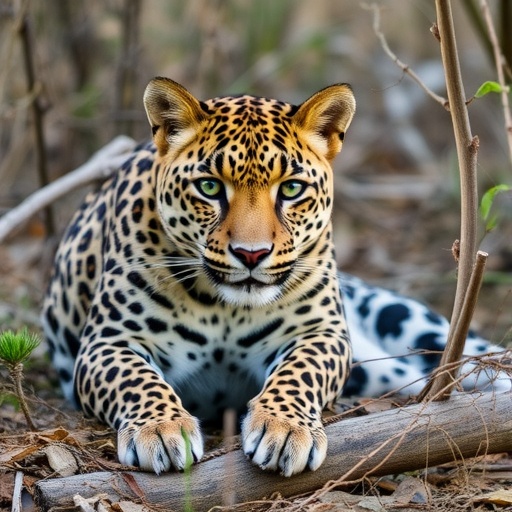
The repercussions of climate change have been an ongoing concern for ecological scientists and conservationists worldwide. Recent studies have highlighted the dire consequences it poses on various species and their habitats, particularly for endangered and vulnerable species like the Persian leopard. Researchers have conducted thorough investigations to understand how shifts in climate parameters will potentially impact the future habitat suitability of this magnificent creature, specifically in Southern Iran. The Persian leopard, a subspecies of the common leopard distinguished by its unique markings and behavioral traits, faces increasing threats from environmental changes.
The Persian leopard, classified as endangered on the IUCN Red List, is emblematic of the rich biodiversity found in its native range. These leopards play a crucial role in maintaining ecological balance by controlling prey populations and acting as indicators of habitat health. However, habitat loss due to human encroachment and climate change significantly threatens their survival. The research led by Naghipour and colleagues underscores the urgent need for adaptive management strategies to mitigate these threats.
Utilizing advanced modeling techniques, the research team assessed climate variables such as temperature and precipitation patterns to predict future habitat suitability for the Persian leopard. By applying species distribution models, they estimated the potential changes in the habitats where these leopards could thrive or decline in the face of shifting climate conditions. The projections indicate a significant decrease in habitat suitability across Southern Iran, which could lead to fragmented populations and increased competition for dwindling resources.
A key finding of this research is that as temperatures rise and precipitation patterns become more erratic, the prey species that Persian leopards depend on may also experience declines. This cascading effect would not only threaten the leopards’ food sources but could also lead to increased human-wildlife conflict as animals encroach closer to urban areas in search of sustenance. The researchers emphasize that without immediate interventions, the future for the Persian leopard looks increasingly precarious.
One particularly alarming aspect of the study reveals that certain areas currently deemed as suitable habitats will become less hospitable in the coming decades. This shift reinforces the need for conservationists to focus their efforts on identifying and protecting critical habitats that may serve as sanctuaries for the leopards during these difficult transitions. Understanding the current trajectory of climate impacts can help direct resources toward these vulnerable areas.
As the research suggests, it is not only the leopards that will feel the effects of climate change but also the ecosystem of which they are a part. The intricate relationships between species in a shared habitat highlight the importance of preserving biodiversity. Conservation strategies that aim to maintain a balanced ecosystem can bolster overall resilience against climate change impacts. The loss of the Persian leopard could trigger reverberations throughout the food chain, further destabilizing the already fragile ecosystems in Southern Iran.
The urgency of these findings cannot be overstated. Wildlife experts have called for enhanced conservation programs tailored to the specific needs of the Persian leopard. By focusing on habitat restoration and protection while integrating climate adaptation strategies, stakeholders can work collaboratively to safeguard the future of this iconic species. Formulating adaptive management plans that accommodate shifting environmental conditions is critical for ensuring the long-term viability of the Persian leopard.
In light of these findings, raising public awareness about the threats posed by climate change to such emblematic species is imperative. Engaging local communities in conservation efforts can foster a sense of stewardship toward natural resources and wildlife habitats. Education campaigns aimed at informing the public about the significance of the Persian leopard within its ecosystem may also emphasize the need for sustainable practices and policies that mitigate climate change impacts.
Furthermore, this study reinforces the necessity of global collaboration in wildlife conservation. The interconnected nature of ecosystems means that actions taken in one region can have far-reaching effects elsewhere. By prioritizing international cooperation to address climate change, conservationists can help restore and protect habitats not just in Southern Iran, but across the globe. This global perspective is vital in the fight against climate change and its impact on biodiversity.
Ultimately, the research conducted by Naghipour and colleagues serves as a call to action for both policymakers and conservationists. It highlights the pressing need for immediate and concerted efforts to confront climate challenges and preserve vital habitats for the Persian leopard and numerous other species at risk. By adopting proactive measures and seeking innovative solutions, there remains hope for the continuation of this majestic species.
Through the combined efforts of scientists, wildlife organizations, and engaged citizens, the possibility of reversing the trends that threaten the Persian leopard can be realized. Collaborative initiatives focusing on habitat conservation, climate adaptation, and public engagement will be foundational in writing a new narrative for this endangered species. The clock is ticking; swift action is necessary to ensure that future generations can witness the beauty and majesty of the Persian leopard roaming free in its natural habitat.
As the impacts of climate change become increasingly evident, the message is clear: protecting the Persian leopard is more than just about saving one species; it’s about preserving the intricate web of life that sustains countless organisms within an ecosystem. By prioritizing the health of our planet, we strive to create a sustainable future for both wildlife and humans alike.
Subject of Research: Climate change impacts on future habitat suitability of the endangered Persian leopard (Panthera pardus saxicolor) in Southern Iran.
Article Title: Climate change impacts on future habitat suitability of the endangered Persian leopard (Panthera pardus saxicolor) in Southern Iran.
Article References: Naghipour, A.A., Yousefi, B. & Moradi, M. Climate change impacts on future habitat suitability of the endangered Persian leopard (Panthera pardus saxicolor) in Southern Iran. Environ Monit Assess 198, 104 (2026). https://doi.org/10.1007/s10661-025-14968-6
Image Credits: AI Generated
DOI: https://doi.org/10.1007/s10661-025-14968-6
Keywords: Climate change, Persian leopard, habitat suitability, endangered species, species distribution models.


