

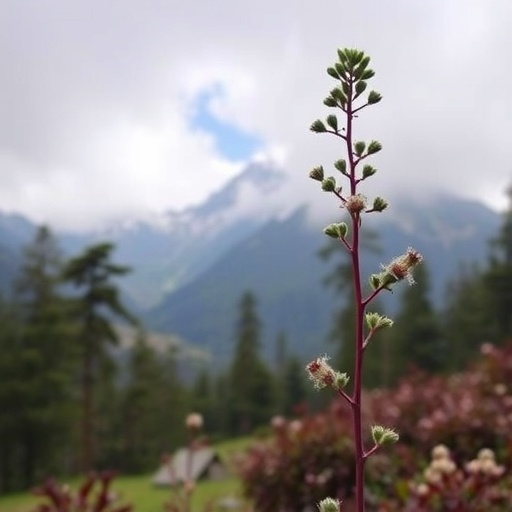
Climate change is a formidable force that is reshaping ecosystems around the globe, significantly affecting biodiversity and the ways in which we engage with nature. In the context of the East Himalayan and Indo-Burma hotspots in India, researchers have turned their attention to the impact of climate change on ethnomedicinal plants—species that are not only vital for traditional healing practices but also hold significant cultural and economic value for local communities. This examination is crucial, as the changing climate poses a direct threat to the survival of these plants, which in turn jeopardizes indigenous knowledge systems and healthcare practices.
The research conducted by Jha and Jha sheds light on the intricate relationships between climate variables and the distribution of high-use ethnomedicinal plants in these biodiversity-rich regions. The East Himalayan and Indo-Burma hotspots are renowned for their unique flora and fauna, with numerous species found nowhere else on Earth. These areas are critical not only for their ecological significance but also for the cultural heritage of the communities that inhabit them. The authors argue that understanding the impact of climate change on these plants offers essential insights into the future of medicine and biodiversity conservation.
The findings illustrate that rising temperatures, changing precipitation patterns, and extreme weather events have already begun to alter the habitats of many valuable plant species. For example, certain medicinal plants may shift to higher altitudes as temperatures rise, while others may not be able to adapt quickly enough, leading to potential extinction. This transformation in plant distributions poses a challenge for local populations who rely on these species for their medicinal properties. The loss of ethnomedicinal plants not only threatens health care but also diminishes the cultural knowledge surrounding their use, as younger generations may become disconnected from traditional practices.
Jha and Jha highlight several case studies that exemplify these challenges. One example discussed is the endangered species of Rhizomes that are crucial for treating various ailments, including digestive disorders and skin diseases. The researchers observed that the availability of these rhizomes is declining due to habitat destruction and changing climatic conditions. As temperatures continue to spiral, certain geographic locations that once thrived with medicinal plants may become inhospitable ground for their growth. This transformation is alarming not only for local healers but for the broader community that relies on these remedies for their health and wellbeing.
Furthermore, the research emphasizes the need for integrating climate adaptation strategies into local conservation and ethnobiological practices. By involving indigenous communities in monitoring the changes in plant populations and the effects of climate change, researchers can foster a collaborative approach to safeguarding these invaluable resources. Such partnerships can empower communities to document and reinforce their traditional knowledge systems while applying scientific insights to ensure the sustainability of medicinal plant usage in the face of climate alteration.
One of the compelling aspects of Jha and Jha’s research is its emphasis on the socio-economic impacts of climate change on rural communities. In many cases, the decline of ethnomedicinal plants not only leads to loss of biodiversity but also affects livelihood strategies that depend on these species. For example, local healers who rely on medicinal plants for their practices face economic hardships as familiar plants become scarcer. This may force them to source medicinal ingredients from other regions, increasing costs and undermining local economies. The implications of such shifts are far-reaching, impacting not just individual health but community resilience in the face of global change.
Additionally, the results of this research underline the urgency of global conservation efforts. Given that East Himalayan and Indo-Burma hotspots are recognized as biodiversity hotspots, international attention is warranted to address local concerns and ensure that conservation strategies are aligned with climate adaptation measures. Global initiatives may help facilitate funding and resources that can be used to support local communities and encourage sustainable practices that safeguard ethnomedicinal plants.
In conclusion, Jha and Jha’s research provides invaluable insights into the consequences of climate change on ethnomedicinal plants in critical biodiversity hotspots. As these regions face increasing environmental pressures, it is essential to prioritize the conservation of both plant species and the knowledge systems associated with them. By combining indigenous wisdom with scientific approaches, we can foster resilience in local communities, ensuring that these vital plants continue to thrive and support human health for generations to come.
This research serves as a reminder of our interconnectedness with nature and the need for concerted global efforts in combating the adverse effects of climate change. By recognizing the value of ethnomedicinal plants and the knowledge that surrounds them, we can take meaningful steps to preserve our cultural heritage and biological diversity in an era of unprecedented environmental change. The conversation surrounding climate change impacts on traditional practices is only beginning, and further exploration will be crucial for understanding how to protect these vital resources.
The potential solutions offered by Jha and Jha present a pathway forward, emphasizing the importance of collaboration between scientists, policymakers, and local communities. Engaging with indigenous knowledge holders can lead to innovative approaches to conservation that respect cultural practices while effectively addressing ecological challenges. The fate of ethnomedicinal plants in the face of climate change is not just a concern for local communities but a global issue that requires immediate attention and action to ensure a sustainable future.
Subject of Research: Impact of climate change on ethnomedicinal high use plants in East Himalayan and Indo-Burma hotspots.
Article Title: Climate change impact on ethnomedicinal high use plants in East Himalayan and Indo-Burma hotspots, India.
Article References:
Jha, K.K., Jha, R. Climate change impact on ethnomedicinal high use plants in East Himalayan and Indo-Burma hotspots, India.
Discov. Plants 2, 365 (2025). https://doi.org/10.1007/s44372-025-00439-2
Image Credits: AI Generated
DOI: https://doi.org/10.1007/s44372-025-00439-2
Keywords: ethnomedicinal plants, climate change, biodiversity, conservation, traditional medicine, East Himalayan hotspot, Indo-Burma hotspot, indigenous knowledge.


