


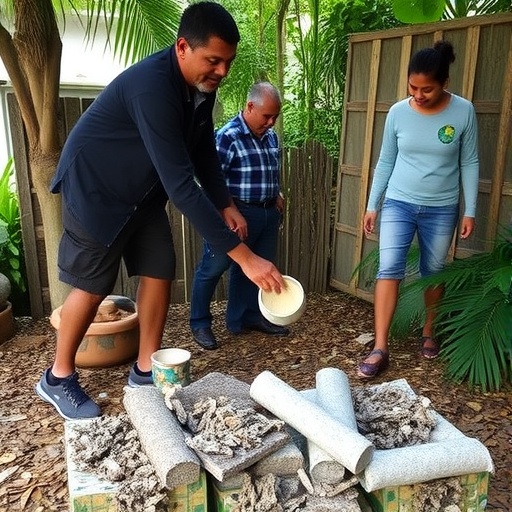
As cities around the globe grapple with the impending challenges posed by climate change, research focusing on urban environments in the Global South becomes increasingly vital. A recent study conducted in Recife, Brazil, sheds light on the diverse drivers and barriers affecting climate action in urban settings of developing nations. This illuminating research, spearheaded by esteemed authors Leão, Andrade, and Ciotta, provides crucial insights into how cities can navigate their unique challenges and leverage opportunities for meaningful climate action.
Recife, a coastal city surrounded by beautiful tropical vistas, presents a unique case study. Although it is a vibrant city with rich cultural heritage, Recife faces climate vulnerabilities, particularly due to its geographical location. Climate change has exacerbated issues such as flooding, increased temperature variations, and social inequalities, making the need for effective climate strategies more pressing than ever. Understanding the local contexts that both hinder and promote climate action in such urban environments is a fundamental pursuit for cities aiming for sustainable growth and resilience.
The research identifies several key drivers enabling climate action in Recife. One significant factor is the emerging grassroots movements that mobilize community engagement and awareness. Local communities are increasingly recognizing the adverse effects of climate change on their livelihoods, prompting them to advocate for sustainable practices. This grassroots involvement has shown remarkable promise, as citizens become key agents in pushing for climate initiatives that reflect their specific needs and priorities.
Furthermore, partnerships between governmental and non-governmental organizations have emerged as a vital driver for climate action. Collaborative efforts are showing great potential in addressing local issues while providing the necessary technical and financial assistance for climate-related projects. These partnerships often facilitate knowledge exchange, allowing for the adaptation of successful strategies from other regions, thus enriching Recife’s approach to climate change.
Nevertheless, the study also highlights critical barriers impeding climate action in Recife. One of the most notable obstacles is the limited financial resources available for implementing climate projects. Many local governments in the Global South operate under constricted budgets, which limits their capacity for effective investment in crucial climate initiatives. This financial strain often leads to prioritization of short-term gains over long-term sustainability, stalling progress in the fight against climate change.
Another significant barrier is the lack of political will and coherence in climate policy. Although climate change is recognized as a pressing issue, the integration of related policies across different sectors remains inconsistent. Political instability and changing administrations can disrupt the continuity of climate efforts, leading to inefficiencies and a piecemeal approach to tackling climate challenges.
The study underscores the importance of inclusive governance in facilitation of effective climate action. Engaging diverse groups—such as marginalized communities, indigenous populations, and women—in the decision-making processes is essential for ensuring that climate policies are representative and equitable. By embracing a more inclusive framework, Recife could foster a sense of ownership and accountability among its citizens, thus enhancing the overall impact of climate initiatives.
In another critical finding, the research emphasizes the role of education and awareness in shaping public perceptions about climate change. Enhanced educational initiatives within schools and communities can significantly shift the populace’s understanding of climate issues, equipping them with the knowledge necessary to advocate for sustainable practices. By cultivating a well-informed citizenry, Recife can mobilize public support for climate action and sustain momentum for change.
Additionally, the study calls attention to the necessity of effective communication strategies to spread awareness about climate impacts and solutions. Tailoring messages to resonate with the local population can empower individuals to act and adopt environmentally friendly practices in their daily lives. By aligning climate communication efforts with cultural values and everyday experiences, Recife can enhance community involvement in sustainability initiatives.
As the research delves deeper, it reveals the multifaceted nature of climate action in Recife. It is not solely about technological advancements or financial inputs but rather an interplay of social, political, and economic factors that dictate the efficacy of climate initiatives. This complexity underscores the need for a holistic understanding of local contexts when developing strategies for climate action tailored to specific urban environments.
In conclusion, the findings from the study offer a rich tapestry of insights into the drivers and barriers influencing climate action in Recife’s urban landscape. By leveraging grassroots movements, fostering partnerships, addressing financial constraints, ensuring inclusive governance, and enhancing education and communication, the city can navigate its challenges while paving the way for sustainable growth. The lessons learned from Recife can serve as a beacon for other Global South cities in their quest for climate resilience, demonstrating that while obstacles certainly exist, the path to climate action is not only possible but essential.
This groundbreaking study not only contributes to the academic discourse surrounding urban climate adaptations but also emphasizes the pragmatic challenges cities like Recife encounter. It spurs an urgent call to action for policymakers, civic leaders, and citizens alike to engage collaboratively in co-creating solutions that cater to their unique environments while embracing the necessary changes that embody the spirit of resilience in an era of climate uncertainty.
Leão, E.B.S., Andrade, J.C.S., Ciotta, M. et al. Drivers and barriers to climate actions in global South cities: evidence from Recife − Brazil.
Discov Cities 2, 64 (2025). https://doi.org/10.1007/s44327-025-00104-z
Cite Scienmag News
Sloane Callahan. (November 13, 2025). Climate Action Challenges in Recife, Brazil. Scienmag. https://scienmag.com/climate-action-challenges-in-recife-brazil/
Sloane Callahan. "Climate Action Challenges in Recife, Brazil." Scienmag, 13 November 2025, https://scienmag.com/climate-action-challenges-in-recife-brazil/. Accessed 4 September 2026.
Sloane Callahan. "Climate Action Challenges in Recife, Brazil." Scienmag. November 13, 2025. https://scienmag.com/climate-action-challenges-in-recife-brazil/


