

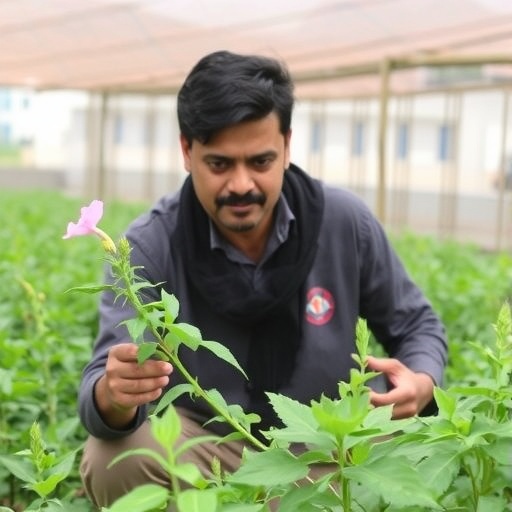
In a transformative effort aimed at combatting air pollution, a recent study has delved into the selection of suitable plant species for urban greening in Birgunj City, Nepal. The findings of this research highlight the vital role that vegetation can play in mitigating the adverse effects of air pollution, which is a pressing issue in urban environments worldwide. The study utilized the Air Pollution Tolerance Index (APTI) approach to identify plant species that would thrive despite the challenging atmospheric conditions, providing a pragmatic solution to a growing environmental concern.
Air pollution poses significant health risks, including respiratory diseases, cardiovascular problems, and various other ailments. Birgunj, one of Nepal’s rapidly urbanizing cities, has been experiencing an increase in pollution due to industrial emissions, vehicular exhaust, and other contaminants. This underscores the urgent need for effective strategies that can reduce pollution levels and enhance air quality. The research conducted by Rijal, Shrestha, and Shrestha showcases an innovative model that can be replicated in similar urban settings experiencing high pollution levels.
The study’s methodology involved the assessment of various local species using the APTI, which evaluates plants based on their capabilities to withstand air pollutants. Key factors considered in this evaluation include leaf characteristics, relative water content, photosynthetic efficiency, and growth patterns. By analyzing these traits, the researchers were able to determine which plant species would not only endure the harsh conditions but also contribute positively to air quality improvement.
Among the species identified, several native plants stood out due to their robust tolerance to pollution while requiring minimal maintenance. This includes species historically adapted to the local environmental conditions, which ensures that they would be more resilient in the urban landscape of Birgunj. Through thoughtful selection, the researchers believe urban greening initiatives have the potential to enhance biodiversity while simultaneously addressing air quality issues.
Urban greening projects have been shown to offer a multitude of benefits, ranging from improved air quality and reduced urban heat effects to enhanced aesthetic appeal and increased psychological well-being. By incorporating suitable plant species into the city’s green infrastructure, municipalities can foster a healthier environment for residents, mitigating some of the negative health impacts of urban pollution. Furthermore, this approach can lead to greater public engagement with nature, igniting an interest in environmental stewardship within urban populations.
Implementing successful urban greening initiatives hinges on collaborative efforts among government agencies, local communities, and environmental organizations. The study emphasizes the importance of involving stakeholders in the decision-making process to ensure community needs and preferences are prioritized. Such collaboration not only helps with species selection but also increases the likelihood of the initiatives being embraced and maintained by local residents.
Research on urban greening is not just limited to Nepal; cities worldwide are realizing the need to incorporate nature into urban planning. Similar studies in other metropolitan areas have indicated measurable improvements in air quality following the introduction of green spaces. These findings advocate for a global shift toward sustainable urban landscapes where biodiversity thrives alongside human development.
To bolster the effectiveness of urban greening efforts, ongoing monitoring of air quality and plant health is essential. Establishing feedback mechanisms enables city planners and ecologists to evaluate the success of greening projects and adapt strategies as necessary. By combining traditional ecological knowledge with modern scientific methods, cities can pave the way toward sustainable urban futures.
The urgency to adopt the APTI approach in urban greening is echoed in the growing body of research linking plant health to human well-being. Studies consistently demonstrate that green spaces are not merely aesthetic additions but rather fundamental components of urban ecosystems that contribute to the health and happiness of city dwellers. This realization fuels ongoing research efforts to assess and enhance plant selections for various urban contexts.
Moreover, the integration of diversity in plant species may also prove advantageous in creating robust ecosystems. A variety of species fosters ecological resilience, enabling urban plants to adapt better to changing environmental conditions. This ecological principle is vital in times of climate change when cities face increasing challenges related to weather extremes and shifting species dynamics.
In essence, the research conducted by Rijal and his colleagues serves as a benchmark for enhancing urban greening practices. By focusing on local species and their specific tolerances to air pollution, they offer a data-driven framework that urban planners can utilize to create healthier living environments. As cities strive to combat pollution and enhance public spaces, this approach promises to provide substantial dividends in the quest for more livable urban centers.
Ultimately, the synergy of community involvement, scientific research, and a proactive approach to urban planning will be essential in promoting effective greening initiatives. Through deliberate actions taken today, cities like Birgunj can lay the groundwork for sustainable and resilient urban landscapes of the future, proving that, indeed, nature has a crucial role to play in our urbanized world.
As urbanization continues to progress globally, embracing methodologies that prioritize holistic and sustainable approaches to environmental health is imperative. Studies such as the one conducted in Birgunj highlight not only the immediate need for solutions but also the potential for a transformative shift in how cities interact with nature. With further research, collaboration, and attention to air pollution challenges, cities around the globe can cultivate greener, healthier futures.
Subject of Research: Urban greening and air pollution mitigation.
Article Title: Selecting plant species for urban greening in air-polluted areas of Birgunj City, Nepal: an air pollution tolerance index approach.
Article References:
Rijal, S., Shrestha, U., Shrestha, A. et al. Selecting plant species for urban greening in air-polluted areas of Birgunj City, Nepal: an air pollution tolerance index approach.
Environ Sci Pollut Res (2025). https://doi.org/10.1007/s11356-025-37287-2
Image Credits: AI Generated
DOI: https://doi.org/10.1007/s11356-025-37287-2
Keywords: Air Pollution, Urban Greening, Plant Species Selection, Environmental Sustainability, APTI Approach.


