


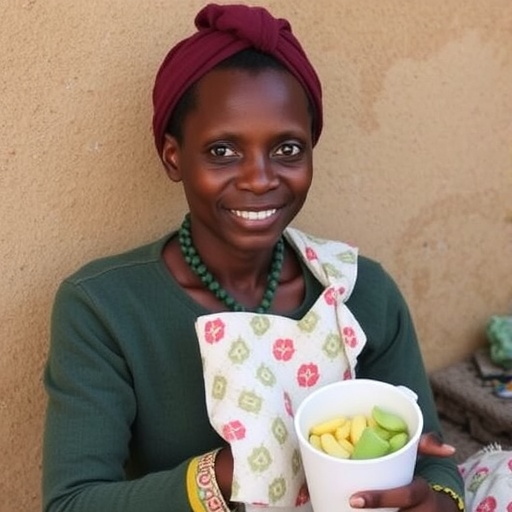
In a compelling new study set to be published in BMC Pediatrics in 2025, researchers Hailu, Bagilkar, and Bayana delve into the complex relationship between childhood illnesses and feeding practices among mothers of children under the age of 24 months in southwest Ethiopia. As noted by the authors, early childhood nutrition is pivotal in ensuring healthy growth and development, yet it often comes under threat during episodes of illness. The study comes at a critical time when millions of children globally are affected by malnutrition and disease, making the findings of this research all the more significant.
Conducted using a facility-based cross-sectional study design, the research engages with a population that is representative of the broader demographic of the region. The intricate dynamics of maternal feeding behaviors in response to various childhood illnesses were mapped out. Researchers employed a thorough methodology that included structured interviews and observational assessments to capture accurate feeding practices and maternal perceptions regarding their children’s health during sickness episodes.
One of the core findings reveals that mothers often struggle between adhering to traditional feeding practices and the medical advice they receive during their child’s illness. This tug-of-war between time-honored customs and modern healthcare recommendations plays a crucial role in defining the dietary responses to childhood diseases. Mothers frequently reported concerns about their children’s appetites during illness, leading to fears of undernutrition. This creates an urgent need for tailored educational interventions that can empower mothers with knowledge on effective feeding strategies during illness.
Moreover, the study highlights socioeconomic factors, such as maternal education and household income, which significantly influence feeding practices during illness. Mothers with higher educational levels tended to adopt more advanced nutritional strategies tailored to meet their children’s specific needs during sickness. In contrast, those with limited access to education often resorted to generic, less informed approaches that may have adverse long-term effects on their children’s health.
Psychological factors, such as maternal anxiety regarding their child’s health, emerged as another pivotal theme in the findings. Anxiety can lead to abrupt changes in feeding practices, whereby mothers may switch to easily digestible but nutritionally poor foods when their child is sick. Understanding the psychological nuances behind these feeding decisions is essential for nurses and healthcare practitioners to offer support that addresses not just the physical but also the emotional well-being of mothers and their children during such vulnerable periods.
The research further explores the cultural beliefs surrounding illness and their impact on feeding choices. In many communities, the belief that certain foods should be avoided during sickness persists, often despite conflicting medical advice. This cultural lens can create significant barriers to following recommended feeding practices, leading to a cycle of malnutrition and illness that is difficult to break. The authors argue that addressing these cultural convictions head-on could be a game changer in designing effective public health interventions.
Moreover, the study sheds light on the gaps in healthcare services that contribute to inadequate nutritional responses. Many mothers reported insufficient guidance from healthcare providers on appropriate feeding practices during illness, indicating a significant communication gap in patient education. This lack of clarity often leaves mothers feeling unsupported in making informed decisions that could impact their children’s recovery from illness.
The implications of these findings extend beyond individual families. They underscore the urgent need for health systems to recognize and integrate these feeding practices into pediatric care standards. For instance, hospitals and clinics could develop nutritional guidelines that are culturally sensitive and tailored to address the needs of local populations during childhood illnesses.
In addition, community health initiatives could incorporate educational workshops to inform mothers about best practices in childhood nutrition during sickness. Such initiatives could foster an environment where cultural beliefs are respected while also providing evidence-based guidance, thus creating a harmonious balance that promotes child health.
Beyond the immediate implications for public health, the research underlines a broader call to action for policymakers. Investments in maternal education are crucial for equipping women with the knowledge necessary to make informed feeding choices. This is not solely about improving child health but empowering women, thus fostering greater community resilience in the face of health challenges.
Furthermore, the research opens avenues for future studies to investigate how community engagement can drive change in feeding practices during childhood illness. By leveraging local knowledge and practices, such studies could contribute to the creation of comprehensive health programs that are ecologically and culturally relevant, ensuring sustainability and community buy-in.
At its core, this study serves to remind us that childhood nutrition is far more than just a matter of food consumption; it encompasses a complex interplay of beliefs, education, socio-economic status, and emotional well-being. Solutions must therefore be multifaceted, encompassing education, cultural sensitivity, and community involvement.
In conclusion, the research conducted by Hailu and colleagues offers valuable insights into the feeding practices of mothers with young children during illness in southwest Ethiopia. By recognizing the myriad factors influencing these practices, the study calls for innovative responses that address both the practical and emotional needs of mothers, thereby fostering healthier childhoods and brighter futures in vulnerable communities.
Hailu, D.T., Bagilkar, V., Bayana, E. et al. Feeding practices during childhood illness and associated factors among mothers of children under 24 month olds in southwest Ethiopia: A Facility-based cross-sectional study design.
BMC Pediatr 25, 636 (2025). https://doi.org/10.1186/s12887-025-05978-x
Cite Scienmag News
Harold Sullivan. (September 2, 2025). “Childhood Illness Feeding Practices in Southwest Ethiopia”. Scienmag. https://scienmag.com/childhood-illness-feeding-practices-in-southwest-ethiopia/
Harold Sullivan. "“Childhood Illness Feeding Practices in Southwest Ethiopia”." Scienmag, 2 September 2025, https://scienmag.com/childhood-illness-feeding-practices-in-southwest-ethiopia/. Accessed 4 September 2026.
Harold Sullivan. "“Childhood Illness Feeding Practices in Southwest Ethiopia”." Scienmag. September 2, 2025. https://scienmag.com/childhood-illness-feeding-practices-in-southwest-ethiopia/


