


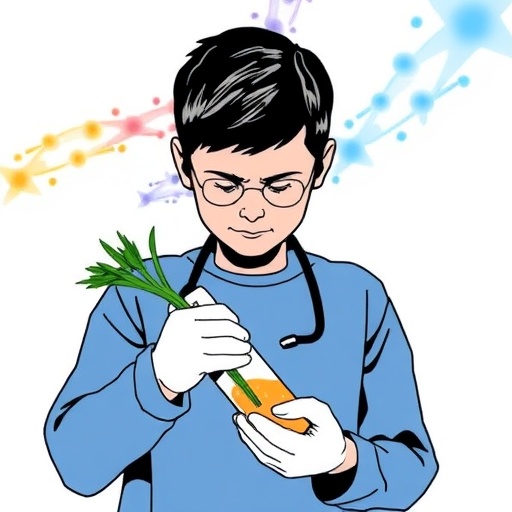
Young scientists who regularly handle laboratory chemicals and eat relatively few antioxidant-rich foods are more likely to report fatigue, headaches, pallor and easy bruising, according to a new study of university students in Ekiti State, Nigeria. The findings, published in New Contaminants, have drawn attention to a largely overlooked intersection between laboratory safety, student wellbeing and everyday nutrition. Researchers stress, however, that the symptoms reported by participants are not proof of chemical poisoning or confirmed oxidative damage. Instead, the study identifies statistical associations that may help universities improve occupational safety and guide future medical research.
The investigation included 426 undergraduate and postgraduate students studying chemistry, biochemistry, microbiology and medical laboratory science. Participants completed questionnaires about how often they encountered laboratory chemicals, which substances they handled, their dietary habits, knowledge of chemical hazards, use of protective measures and any symptoms they had experienced. The researchers focused on symptoms they described as related to oxidative stress, a biological condition in which the production of reactive oxygen species exceeds the body’s ability to neutralize them through antioxidant defenses. Reactive oxygen species are chemically active molecules generated naturally during metabolism, but excessive levels can damage cellular lipids, proteins and DNA.
Chemical exposure was common among the students. Nearly four in five participants, or 78.6%, said they were frequently exposed to laboratory chemicals. Acids were the most commonly reported substances, encountered by 71.0% of participants, followed by organic solvents at 64.5% and disinfectants at 58.7%. These broad categories include materials with very different toxicological profiles. Acids can cause corrosive injuries, solvents may affect the nervous system or internal organs depending on their composition and dose, and disinfectants can irritate the skin and respiratory tract. The actual risk associated with any substance depends on concentration, duration, route of exposure, ventilation, protective equipment and the effectiveness of safety procedures.
The researchers found a notable difference in symptom reporting between students with frequent and less frequent chemical exposure. Among those classified as frequently exposed, 62.7% reported symptoms such as fatigue, headaches, pallor or easy bruising, compared with 35.2% of students reporting less frequent exposure. After adjustment for several other factors, frequent exposure was associated with 2.84 times higher odds of reporting symptoms. In epidemiological terms, an odds ratio of this size indicates a strong association between the exposure category and the outcome, but it does not establish that chemical handling caused the symptoms. The analysis measured reported exposure and reported health experiences at the same point in time, making it impossible to determine which came first.
Diet appeared to be another independent factor. Students who reported low intake of antioxidant-rich foods, including fruits and vegetables, had 2.31 times higher adjusted odds of reporting the symptoms. Antioxidants such as vitamin C, vitamin E, carotenoids and various polyphenols can participate in systems that limit oxidative reactions, although their effects depend on the overall diet, metabolism and health status of an individual. The strongest association was observed among students who reported both frequent laboratory chemical exposure and low antioxidant intake. Their adjusted odds of reporting symptoms were 2.96 times higher than those of the reference group.
That result should not be interpreted as evidence that a poor diet amplified the biological toxicity of laboratory chemicals. The researchers found no statistically significant interaction between chemical exposure and dietary intake. This distinction is important: the two factors were associated with symptoms in the same study population, but the data did not demonstrate that one factor intensified the effect of the other. The combined finding may reflect the contribution of separate risks, unmeasured lifestyle factors or differences in how participants perceived and reported their health. Sleep deprivation, academic stress, infections, anemia, inadequate overall nutrition and other common conditions can also produce fatigue, headaches, pallor or easy bruising.
The study also revealed a gap between safety knowledge and safety behavior. Although 57.0% of participants demonstrated good knowledge of chemical hazards and laboratory safety issues, only 46.0% reported good compliance with preventive practices. Students with stronger knowledge were more likely to report safer behavior, suggesting that training can influence laboratory conduct, but the difference between awareness and compliance indicates that information alone may not be enough. Consistent access to gloves, eye protection, laboratory coats, functioning fume hoods and appropriate waste containers can determine whether students are able to apply what they have learned. Supervision, spill-response procedures and institutional enforcement may be equally important.
The authors say universities could reduce preventable risks through regular, practical safety training and closer monitoring of laboratory activities. Such programs could include instruction on chemical labeling, storage compatibility, fume-hood use, hand hygiene, waste segregation and emergency response. Personal protective equipment should be properly selected, available in suitable sizes and replaced when damaged or contaminated. Laboratories also need effective ventilation and clear procedures for reporting spills, symptoms and near-miss incidents. Alongside these measures, universities could promote broader student health by improving access to balanced meals and nutrition education without suggesting that fruits and vegetables can substitute for exposure controls.
The researchers emphasize that the study has important limitations. It relied on questionnaires rather than measured concentrations of chemicals in the air, on surfaces or in biological samples. It did not assess internal doses, validated dietary intake, blood counts, liver or kidney function, or biochemical markers such as lipid peroxidation products and antioxidant enzyme activity. The cross-sectional design also prevents conclusions about causality. Future studies could combine personal air monitoring, workplace assessments, detailed food-frequency tools, clinical examinations and biomarkers of oxidative stress and hematological health. Until such evidence is available, the findings are best understood as a warning signal: safe scientific training requires more than technical knowledge. It also requires reliable exposure controls, active supervision and sustained attention to the health and wellbeing of the students who work in academic laboratories.
News Publication Date: 11-Jun-2026
Web References: https://doi.org/10.48130/newcontam-0026-0016; https://www.maxapress.com/newcontam
References: Okonji KS, Daramola AO, Folaranmi OE. 2026. “Combined effects of dietary and laboratory chemical exposures with self-reported oxidative stress-related symptoms among young scientists: implications for environmental safety in chemical laboratory settings.” New Contaminants 2: e019. DOI: 10.48130/newcontam-0026-0016
Cite Scienmag News
Daisy Hatcher. (August 11, 2026). Chemical Exposure and Diet Linked to Health Symptoms in Young Scientists. Scienmag. https://scienmag.com/chemical-exposure-and-diet-linked-to-health-symptoms-in-young-scientists/
Daisy Hatcher. "Chemical Exposure and Diet Linked to Health Symptoms in Young Scientists." Scienmag, 11 August 2026, https://scienmag.com/chemical-exposure-and-diet-linked-to-health-symptoms-in-young-scientists/. Accessed 4 September 2026.
Daisy Hatcher. "Chemical Exposure and Diet Linked to Health Symptoms in Young Scientists." Scienmag. August 11, 2026. https://scienmag.com/chemical-exposure-and-diet-linked-to-health-symptoms-in-young-scientists/


