

New Insights into Neanderthal Behavior: The Use of European Pond Turtles at Neumark-Nord
Recent archaeological research has uncovered compelling evidence that Neanderthals in Central Europe engaged in sophisticated interactions with European pond turtles (Emys orbicularis), not primarily as a food source, but for the reutilization of their shells. This groundbreaking discovery stems from an international collaboration led by Professor Dr. Sabine Gaudzinski-Windheuser of Johannes Gutenberg University Mainz (JGU) in conjunction with MONREPOS/LEIZA and Leiden University. Their findings, now detailed in the prestigious journal Scientific Reports, provide significant new understanding of Neanderthal survival strategies and their behavioral complexity approximately 125,000 years ago.
Excavations at the renowned Palaeolithic site of Neumark-Nord, located in present-day Saxony-Anhalt, Germany, yielded numerous turtle shell fragments that stiffly challenge previous assumptions about Neanderthal dietary practices. By employing advanced techniques such as high-resolution 3D scanning, the researchers were able to meticulously analyze a significant sample—92 shell fragments—that displayed cut marks predominantly on their inner surfaces. These incisions reveal deliberate butchering behaviors: precise detachment of limbs, removal of internal organs, and thorough cleaning of the turtle shells. This evidence marks the first confirmed case of Neanderthals hunting and processing turtles north of the Alps, expanding the known geographic range of such behaviors beyond the southern Mediterranean basin.
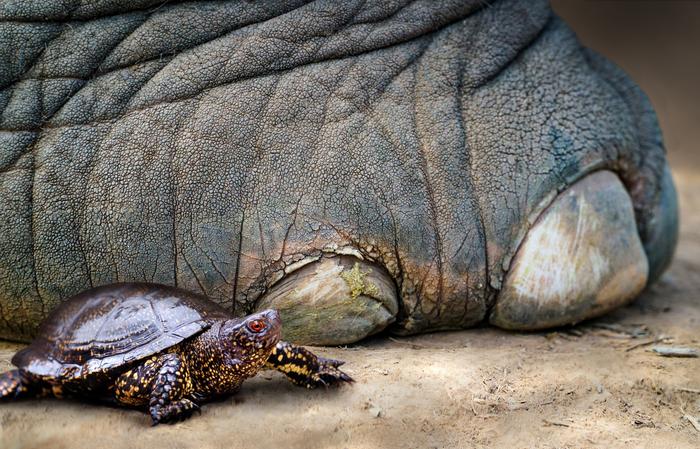
Importantly, the research team argues convincingly that turtles were unlikely pursued for nutritional needs. The abundance of remains from large mammals — including deer, cattle, horses, and the colossal European straight-tusked elephant (Palaeoloxodon antiquus), which could weigh up to ten tonnes — suggests an environment rich in high-calorie resources. Previous studies at Neumark-Nord have demonstrated the existence of organized Neanderthal “fat factories,” where fat was systematically extracted from large mammal bones, further underscoring the surplus of caloric intake available to these hominins.
The relatively modest weight and caloric content of the pond turtle, weighing approximately one kilogram each, support the interpretation that these animals served a purpose beyond nutrition. Researchers propose that the turtles’ shells were repurposed as tools, possibly fashioned into small containers or scoop-like implements. The inherent durability and shape of the shells would have made them useful in a variety of practical applications, reflecting an adaptive and resourceful facet of Neanderthal technology previously underestimated in paleoanthropological discourse.
Moreover, the ease of capturing pond turtles could imply that juvenile Neanderthals, possibly children, played an active role in this aspect of resource procurement. Catching these creatures would have provided a manageable task for younger members of the group while simultaneously contributing to the community’s technological toolkit. This reinterpretation highlights a complex social structure where different age groups participated in diverse subsistence and material culture activities, pointing to a nuanced division of labor within Neanderthal groups.
Beyond practical considerations, an intriguing alternative hypothesis is the potential cultural or medicinal use of turtle parts. Ethnographic analogies drawn from later indigenous populations indicate that turtles may have held specific symbolic or pharmacological significance. Although speculative, this suggestion invites interdisciplinary research linking archaeology with ethnobiology and cognitive science to explore the cultural dimensions of Neanderthal life.
This study enriches the growing body of evidence portraying Neanderthals not as simplistic primitive hunter-gatherers but rather as intelligent and ecologically flexible hominins with complex survival strategies. They demonstrated the capacity to maximize available resources creatively and beyond mere caloric maximization, adapting technologies and cultural behaviors to their unique environments and social needs.
The collaborative analysis conducted by MONREPOS/LEIZA, JGU Mainz, and Leiden University stems from collections excavated from the former Neumark-Nord lignite open-pit mine area. These extensive ongoing research projects benefit greatly from the State Office for Heritage Management and Archaeology of Saxony-Anhalt, ensuring sustained access to critical archaeological materials and support for multidisciplinary inquiry.
Beyond the specific findings regarding turtles, the research methods employed reflect cutting-edge approaches in paleolithic archaeology. The utilization of high-resolution 3D scanning enabled researchers to discern subtle yet definitive cut marks and other surface modifications, surpassing traditional visual inspection. This technology offers a non-destructive means to analyze fragile material remains and reconstruct the intricate behaviors of ancient humans with unprecedented clarity.
The implications of this work extend beyond understanding Neanderthal subsistence. They bear on broader debates about cognitive capacities, tool-making sophistication, and the role of symbolism or specialized knowledge in early human evolution. By illuminating a previously overlooked facet of Neanderthal life, the study pushes back against outdated stereotypes and affirms the complexity of our closest evolutionary relatives.
As the scientific community digests these new findings, future research directions will likely investigate the wider application of similar behaviors across other sites and time periods, potentially reshaping established narratives about Neanderthal lifeways in differing ecological contexts. Such studies are essential in piecing together a comprehensive picture of hominin adaptability and cultural expression over millennia.
In summary, this landmark study on the European pond turtle shells from Neumark-Nord enriches our understanding of Neanderthal ingenuity, cultural depth, and ecological resourcefulness during the Last Interglacial. By creatively reusing animal shells to manufacture tools or containers, Neanderthals showcased a behavioral sophistication that continues to fascinate and challenge our perceptions of prehistoric human behavior.
Subject of Research: Animals
Article Title: Shell game: Neanderthal use of the European pond turtle (Emys orbicularis) in the Last Interglacial landscape of Neumark-Nord (Germany)
News Publication Date: 8-Apr-2026
Web References:
http://dx.doi.org/10.1038/s41598-026-42113-x
Image Credits: Creative illustration by Nicole Viehofer/MONREPOS (LEIZA)


