

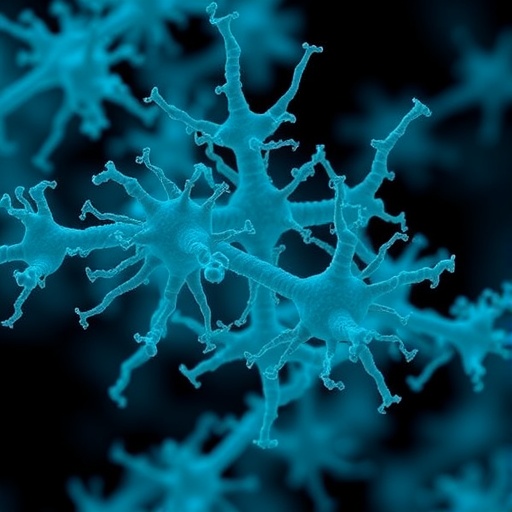
In the battle against drug-resistant bacteria, few pathogens pose as daunting a threat as Acinetobacter baumannii. This opportunistic microorganism, notorious for causing severe infections in critically ill patients within healthcare environments, has long resisted multiple classes of antibiotics, including carbapenems—which many consider drugs of last resort. However, the emergence of resistance to Cefiderocol, a novel antibiotic introduced to combat such multidrug-resistant gram-negative bacteria, signals a troubling new chapter in the ongoing microbial arms race.
A cutting-edge study led by Dr. Kevin Josue Rome at the Hackensack Meridian Center for Discovery and Innovation (CDI) provides an unprecedented genetic exploration of the mechanisms behind A. baumannii’s resistance to Cefiderocol. Published in Microbiology Spectrum, this research employs a comprehensive genome-wide transposon mutagenesis approach combined with detailed genomic and phenotypic analyses of clinically isolated strains that have developed resistance. By moving beyond traditional single-mechanism studies, this work illuminates the multifaceted strategies that A. baumannii harnesses to neutralize what was once considered a powerful antibiotic defense.
Cefiderocol’s innovative mechanism of action relies on its ability to imitate a bacterial siderophore, which bacteria typically produce to scavenge iron from their environment. By hijacking these iron uptake pathways, Cefiderocol achieves efficient bacterial cell entry, targeting crucial penicillin-binding proteins to inhibit cell wall synthesis. Despite its ingenious design and approval in 2019 for treating complicated infections caused by multidrug-resistant organisms, resistance to Cefiderocol has alarmingly already been documented in clinical contexts.
Dr. Rome and his colleagues recognized that isolated examination of specific resistance elements failed to capture the complexity of evolving bacterial defenses. Their large-scale, unbiased transposon mutagenesis survey disrupted thousands of genes to systematically identify mutations that confer variable degrees of resistance. This genome-wide screening unearthed previously unappreciated genetic determinants, revealing how diverse biological pathways collectively orchestrate Cefiderocol resistance.
Significantly, their findings demonstrate that resistance is not merely the consequence of changes in the iron transport system but involves an intricate interplay among multiple molecular processes. These include alterations in efflux pump regulation, modification of antibiotic target sites, shifts in membrane permeability, and activation of stress response pathways. Through convergent mechanisms, A. baumannii effectively reduces drug accumulation and neutralizes Cefiderocol’s bactericidal impact—presenting formidable obstacles for clinical treatment.
The study’s integration of phenotypic assessments with genomics allowed the researchers to correlate specific mutations with measurable shifts in drug susceptibility. They also compared resistant clinical isolates against susceptible counterparts, pinpointing genetic signatures associated with emergent resistance in real-world patient infections. This holistic viewpoint affords a broader mechanistic framework that not only explains current resistance patterns but also offers predictive insight into how resistance may develop in the future.
Beyond its scientific significance, this research carries vital public health implications: it emphasizes the necessity of vigilant, integrated surveillance programs capable of detecting and characterizing resistance early. Given that A. baumannii infections predominantly affect vulnerable hospital populations, understanding these genetic underpinnings is critical for developing informed antibiotic stewardship and containment policies.
The authors underline that preserving the clinical utility of Cefiderocol demands multifaceted strategies. These could encompass combination therapies that mitigate resistance emergence, as well as novel drug design exploiting vulnerabilities identified by this genomic atlas. Further investigation into underlying resistance pathways might also reveal targets for adjuvant compounds that disable bacterial defense mechanisms, potentially restoring antibiotic efficacy.
This work was supported in part by Shionogi & Co., Ltd., reflecting a collaborative effort between academic researchers and pharmaceutical partners. Additionally, funding from the National Institutes of Health underscores the importance of sustained investment in antimicrobial resistance research.
By dissecting the genetic complexity behind Cefiderocol resistance in Acinetobacter baumannii, Dr. Rome’s team delivers crucial knowledge essential for outpacing one of the most formidable challenges in infectious diseases. Their innovative methodology and resulting framework mark a transformative advance in understanding bacterial evolution against last-line antibiotics, offering hope for developing next-generation solutions in the fight against multidrug-resistant superbugs.
Researchers and clinicians are encouraged to delve into the full paper for a detailed exposition of the methodologies and findings that could shape future approaches to combating A. baumannii and preserving the effectiveness of critical antibiotics like Cefiderocol.
Subject of Research: Cells
Article Title: Genetic basis of cefiderocol resistance in Acinetobacter baumannii: insights from functional genomics and clinical isolates
News Publication Date: 9-Feb-2026
Web References:
References:
Rome, K.J., Kreiswirth, B., et al. (2026). Genetic basis of cefiderocol resistance in Acinetobacter baumannii: insights from functional genomics and clinical isolates. Microbiology Spectrum. DOI: 10.1128/spectrum.03804-25
Image Credits: Hackensack Meridian Health
Keywords: Bacteriology, Molecular biology


