


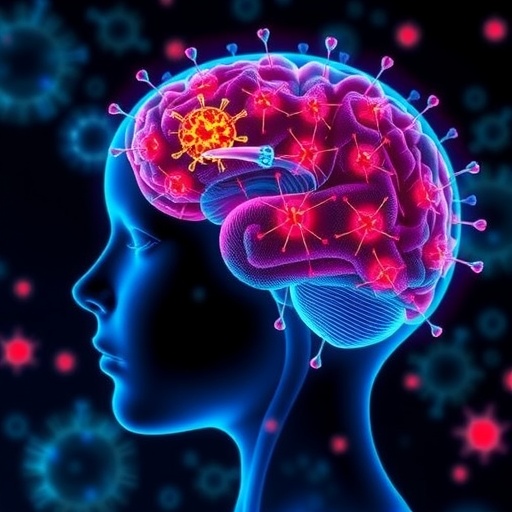
Engineered Immune Cells Move Closer to the Brain Tumor Frontier
For children facing aggressive brain tumors, the immune system is being reshaped into a potential precision weapon. A new review of the field argues that chimeric antigen receptor T-cell therapy, better known as CAR-T, could become an important treatment strategy for pediatric central nervous system cancers, even as researchers confront formidable biological and safety barriers. The treatment has transformed care for some blood cancers, but solid tumors have proved far more difficult to eliminate. In the brain, the challenge is intensified by the blood–brain barrier, an immunosuppressive tumor environment, the uneven distribution of tumor markers and the potentially devastating consequences of inflammation in a developing nervous system. The review, published in the Journal of Neuro-Oncology, brings together early clinical findings and emerging engineering strategies that could determine whether CAR-T therapy becomes a breakthrough for children with otherwise limited options—or remains a promising but short-lived experiment.
Pediatric central nervous system tumors are among the most dangerous cancers in childhood. Surgery, radiation and chemotherapy remain the mainstays of treatment, yet these approaches can leave survivors with lifelong neurological, developmental and physical disabilities. Immunotherapies such as checkpoint inhibitors, therapeutic vaccines and monoclonal antibodies have offered important insights but have generally produced limited benefits in pediatric brain tumors. CAR-T cells take a different approach. Doctors collect a patient’s own T cells, genetically equip them with a synthetic receptor that recognizes a selected molecule on tumor cells, multiply the modified cells in the laboratory and infuse them back into the patient. Unlike conventional T-cell receptors, the chimeric receptor can recognize a surface antigen without relying on the tumor cell to present fragments through the major histocompatibility complex. Once engaged, its signaling domains activate the T cell, promote proliferation and trigger the destruction of the target cell.
The architecture of a typical second-generation CAR explains both its power and its complexity. An antibody-derived single-chain variable fragment forms the targeting region, while a spacer and transmembrane segment position the receptor at the cell surface. Inside the T cell, a costimulatory domain—commonly derived from CD28 or 4-1BB—works alongside the CD3-zeta signaling domain to strengthen activation and persistence. Every component can change the behavior of the final therapy, from the strength and duration of signaling to the balance between rapid expansion and long-term survival. Manufacturing also matters: the relative proportions of CD4-positive and CD8-positive cells, the cytokines used during expansion and the length of time cells spend in culture can influence their potency. These variables have made CAR-T development for brain tumors less like producing a single drug and more like tuning a living, self-replicating biological system.
Early clinical results have given researchers a reason for cautious optimism. In a Stanford trial involving children and young people with H3K27M-positive diffuse midline gliomas, including tumors historically known as diffuse intrinsic pontine glioma, GD2-targeting CAR-T cells were administered intravenously and, in selected patients, later delivered into the cerebrospinal fluid. Nine of the 11 patients had diffuse intrinsic pontine glioma, while two had spinal tumors. The reported median overall survival reached 20.6 months, compared with less than a year under current treatment approaches for many patients with diffuse intrinsic pontine glioma. Several participants experienced clinical benefits or reductions in tumor volume, and one patient achieved a sustained complete response. A separate phase 1 study at Seattle Children’s Hospital used repeated intracerebroventricular infusions of CAR-T cells directed against B7-H3, an antigen frequently found on pediatric brain tumors. That study reported a median survival from diagnosis of 19.8 months among treated patients, with three patients alive at the study’s conclusion. These are early, non-randomized findings, not proof of a cure, but they have accelerated interest in the approach.
The route by which the cells reach the tumor may be as important as the receptor they carry. Intravenous infusion is relatively simple and allows engineered cells to patrol the body, which could be valuable if cancer has spread beyond the brain. Yet the blood–brain barrier and the sparse circulation of immune cells within the central nervous system can limit access. Intratumoral or intracavitary administration delivers cells directly into a tumor or the cavity left after surgery, potentially reducing the distance they must travel and limiting early exhaustion. Intracerebroventricular delivery places the cells into the cerebrospinal fluid, allowing them to circulate through the ventricular system and along surfaces of the central nervous system. Preclinical studies suggest that local approaches can produce stronger antitumor activity than intravenous administration, while early pediatric trials indicate that repeated intracerebroventricular dosing can be tolerated. Some protocols now combine systemic and local delivery: intravenous cells provide body-wide coverage, followed by regional infusions intended to replenish the force at the tumor site.
Preparing the patient may also determine whether infused cells expand or disappear. Lymphodepletion, usually achieved with chemotherapy, reduces the patient’s existing lymphocytes and creates physical and biochemical space for the incoming cells. It can increase the availability of homeostatic cytokines, stimulate inflammation and possibly reduce suppressive immune populations such as regulatory myeloid cells, macrophages and microglia within the tumor. But it also weakens immune defenses and can increase susceptibility to serious viral infections. The review notes that eight of the 15 active pediatric central nervous system CAR-T trials considered by the authors explicitly include lymphodepletion, while others use repeated local infusions without it. The optimal strategy remains unresolved. Disease burden is another crucial variable: larger tumors, particularly in sensitive or functionally important brain regions, may generate more dangerous inflammation and appear harder to control. This creates a rationale for integrating surgery, radiation and CAR-T infusion with careful timing, reducing tumor volume while allowing surgical complications to settle before immune activation begins.
Choosing the right molecular target is equally difficult. The ideal antigen would be abundant and consistent on tumor cells but nearly absent from healthy tissue. Five targets dominate current pediatric brain tumor research: GD2, B7-H3, IL13Rα2, HER2 and selected EGFR variants. GD2 is a cell-surface glycosphingolipid involved in adhesion, migration and growth, and it is already an established therapeutic target in neuroblastoma. B7-H3, also known as CD276, is an immune-regulatory protein expressed at high levels across many pediatric brain tumors while showing limited expression in most healthy tissues. IL13Rα2 is associated with several aggressive cancers and is highly expressed in some gliomas, although its distribution is less uniform. HER2, a receptor involved in growth signaling, has shown promise in particular tumor subtypes but ranks lower in broad antigen-expression analyses. EGFRvIII, a mutant form created by deletion of exons 2 through 7, is attractive because it is tumor-specific in principle, yet adult clinical experience has shown that identifying a compelling target does not guarantee clinical efficacy. A related EGFR806 CAR recognizes a tumor-restricted epitope and has been tested in a pediatric phase 1 study, though published results remain limited.
Tumor heterogeneity creates a particularly cunning escape route. If a CAR-T product recognizes only one antigen, tumor cells that lack or lose that marker may survive and repopulate the cancer, a phenomenon known as antigen escape. To counter it, researchers are developing dual and multi-antigen CARs. In an “OR-gate” design, the cell activates when it encounters any one of several targets, broadening recognition. Tandem CARs place two binding domains in one receptor, while bicistronic or multi-cistronic constructs encode multiple receptors from a single genetic cassette. More sophisticated “AND-gate” systems require combinations of signals before full activation, potentially improving specificity and reducing attacks on healthy cells. “NOT-gate” designs aim to suppress activation when a marker associated with healthy tissue is detected. Seattle Children’s Hospital is investigating a “quad” CAR-T approach directed at B7-H3, IL13, HER2 and EGFR806 in diffuse midline glioma and other central nervous system tumors. Such complexity has trade-offs: larger genetic constructs can be harder to package into viral vectors, and multiple antibody-binding domains can destabilize the receptor or create inefficient immune synapses.
Even a perfectly targeted cell may fail if it cannot survive inside the tumor. Brain tumors are often surrounded by a microenvironment rich in suppressive signals, including transforming growth factor beta, which can blunt T-cell activity, limit proliferation and accelerate exhaustion. Researchers are therefore building “armored” CAR-T cells that carry additional modules designed to resist these conditions. One strategy uses a dominant-negative transforming growth factor beta receptor, allowing the cell to ignore or reduce the pathway’s inhibitory signals. Other designs supply supportive cytokines such as interleukin-15, stimulate local immune activity or release therapeutic proteins only when the CAR encounters a tumor-associated signal. The central challenge is controlling where and when these extra signals are produced: a cytokine that helps cells inside a tumor could cause dangerous systemic inflammation if released throughout the body. Temporary CAR expression using messenger RNA offers another safety strategy, allowing activity to fade rather than persist indefinitely. Researchers are also exploring pharmacological switches, degron systems that trigger reversible receptor removal and inducible suicide genes that can eliminate the engineered cells if toxicity becomes severe.
Safety is the issue that most sharply distinguishes brain-tumor CAR-T therapy from many other applications. Activated cells can produce cytokine release syndrome, a systemic inflammatory reaction that may cause fever, low blood pressure, oxygen deprivation and organ dysfunction. Inflammation involving the brain can lead to immune-effector-cell-associated neurotoxicity syndrome, with symptoms ranging from headache and confusion to seizures, coma and disruption of the blood–brain barrier. A related complication, tumor-inflammation-associated neurotoxicity, occurs when immune activity becomes concentrated at the tumor site and can produce headaches, fever or dangerous fluid accumulation known as hydrocephalus. These effects are often transient and reversible, but the developing pediatric brain demands years of neurological and cognitive follow-up. Animal studies have also raised concerns about measurable cognitive impairment after CAR-T treatment. The therapeutic window is therefore unusually narrow: the cells must be aggressive enough to attack cancer but controlled enough to avoid damaging healthy neural tissue or provoking swelling inside the skull. Safety switches that can shut down signaling, suicide genes that remove the cells and context-sensitive receptors that activate only in the tumor microenvironment may become essential components of future pediatric designs.
The review also highlights a practical problem that could limit access even if the biology succeeds: CAR-T cells are slow and expensive to manufacture. Autologous products typically require blood collection, activation, genetic modification and expansion, with roughly two weeks between leukapheresis and treatment. Patients needing multiple infusions may require repeated blood draws and manufacturing cycles. Donor-derived allogeneic CAR-T cells could provide an “off-the-shelf” alternative, but the recipient’s immune system may rapidly clear them through a host-versus-graft response. Nonviral gene-transfer methods may eventually make it easier to add multiple targeting, safety and persistence modules without the packaging limits of viral vectors. Researchers are also investigating CAR-engineered natural killer cells and macrophages, including brain-resident microglia, which may be better adapted to solid-tumor environments than circulating T cells. Yet the path from laboratory model to child remains uncertain. Immunodeficient mice cannot reproduce the full human tumor–immune interaction, and the cell doses used in mice can be impractical in people. More realistic patient-derived, orthotopic and genetically engineered models may improve predictions, but none can replace carefully designed clinical trials. For now, CAR-T therapy for pediatric brain tumors is neither a finished treatment nor a distant fantasy. It is an evolving platform whose future will depend on combining precise targeting, local delivery, durable persistence and reversible control—while protecting the developing brain from the very immune response meant to save it.
Cite Scienmag News
Nathaniel Bowman. (August 28, 2026). CAR-T Therapy Shows Promise Against Paediatric Brain Tumours: Latest Update. Scienmag. https://scienmag.com/car-t-therapy-shows-promise-against-paediatric-brain-tumours-latest-update/
Nathaniel Bowman. "CAR-T Therapy Shows Promise Against Paediatric Brain Tumours: Latest Update." Scienmag, 28 August 2026, https://scienmag.com/car-t-therapy-shows-promise-against-paediatric-brain-tumours-latest-update/. Accessed 3 September 2026.
Nathaniel Bowman. "CAR-T Therapy Shows Promise Against Paediatric Brain Tumours: Latest Update." Scienmag. August 28, 2026. https://scienmag.com/car-t-therapy-shows-promise-against-paediatric-brain-tumours-latest-update/


