


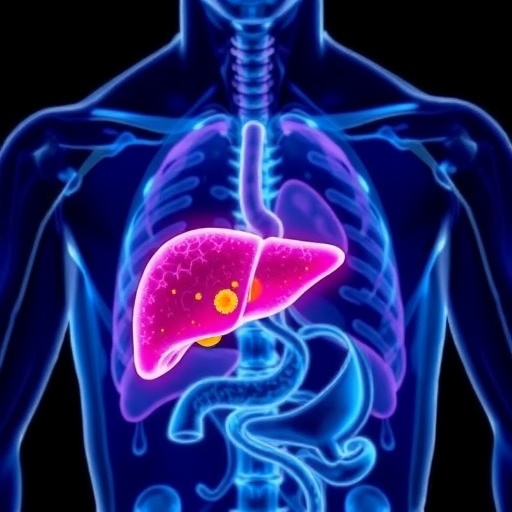
Immune checkpoint inhibitors (ICIs) have revolutionized the landscape of cancer therapy over the past decade, demonstrating profound efficacy in a variety of solid tumors. In the realm of hepatocellular carcinoma (HCC), a disease often complicated by underlying liver dysfunction, these immunotherapies are ushering in a transformative era, particularly for patients who may become candidates for liver transplantation (LT). The integration of ICIs into the transplant paradigm, however, is fraught with complexities that require careful navigation. A recent comprehensive review published in Hepatobiliary & Pancreatic Diseases International critically evaluates the evolving role of neoadjuvant and adjuvant immunotherapy in the context of liver transplantation for HCC. This examination sheds light on the current evidence, emerging challenges, and potential future directions for safely harnessing ICIs to expand transplant eligibility while safeguarding graft survival.
Liver transplantation remains the gold standard curative option for HCC because it concurrently eliminates both the primary tumor and the cirrhotic liver milieu that fuels oncogenesis. Nonetheless, stringent transplant selection criteria—most notably, the Milan criteria—exclude many patients whose tumor burden exceeds accepted thresholds. While locoregional therapies such as transarterial chemoembolization (TACE), radioembolization, and ablation have been employed with variable success to downstage tumors and serve as bridging interventions during organ wait times, their limitations underscore an urgent need for more efficacious systemic approaches. Immune checkpoint blockade agents targeting PD-1/PD-L1 and CTLA-4 pathways have demonstrated durable responses in advanced HCC, raising the provocative question of whether these agents could be strategically employed earlier in the disease course to optimize transplantation candidacy.
The review originates from a multidisciplinary team based at the Liver Transplant and Hepatobiliary Surgery Program at Mount Sinai’s Recanati/Miller Transplantation Institute, synthesizing findings from clinical trials, large cohort studies, meta-analyses, and case series published through August 2025. The focal point lies on the therapeutic potential of ICIs used in the neoadjuvant (pre-transplant) and adjuvant (post-transplant) settings, weighing their impact on tumor control and graft immunologic outcomes—the latter being a critical barrier given the pro-inflammatory milieu unleashed by ICIs. The analysis brings to light a nuanced paradigm where immunotherapy can augment tumor downstaging and bridging but simultaneously imposes heightened risks of allograft rejection, mandating a delicate balance informed by real-world patient data.
Neoadjuvant ICI therapy prior to liver transplantation has yielded promising oncologic responses in select patient cohorts. Early-phase trials and multicenter observational studies report downstaging success rates in the range of 75% to 82%, with radiologic tumor responses approaching 94% and pathologic complete or major responses noted between 35% and 88%. These impressive figures are mirrored by favorable survival outcomes, as one-year post-transplant survival reaches approximately 95%, and three-year survival stabilizes between 70% and 80%. Importantly, long-term graft survival also remains robust, exceeding 85% at three years following transplantation with prior ICI exposure. These data collectively suggest that ICIs can enhance transplant eligibility among patients who would otherwise be excluded due to tumor burden or progression during waiting periods.
However, the immunologic repercussions of neoadjuvant immunotherapy are far from insignificant. A significant proportion of transplanted patients who received ICIs preoperatively experienced episode rates of acute rejection ranging from 16% to 28% in expansive published series. A meta-analysis aggregating individual patient data further delineated a rejection incidence of 26.4%, underscoring that immune activation by checkpoint blockade can precipitate graft immune attack. The authors underscore washout interval—the duration between the final ICI dose and the transplantation procedure—as a pivotal determinant of rejection risk. Intervals shorter than 30 to 90 days correlate with markedly elevated rejection rates, implying that a prudent, rigid washout timeframe is indispensable to mitigating immune-mediated graft injury.
In contrast, evidence for the safety and efficacy of adjuvant ICIs administered after liver transplantation remains scarce and inconclusive. Most of the current knowledge base stems from isolated case reports detailing the post-transplant administration of ICIs intended to reduce recurrence risk. Alarmingly, rejection episodes have been reported in approximately 25% of these cases, accompanied by mortality rates estimated between 10% and 12%, reflecting the treacherous immunologic landscape in the context of graft tolerance. These findings accentuate the need for translational research to elucidate immune mechanisms post-transplant and to develop safer immunomodulatory strategies that balance antitumor efficacy with graft preservation.
The review’s authors emphasize a paradigm shift: the pivotal clinical question is no longer whether neoadjuvant immunotherapy has efficacy before transplantation but how to deploy it safely within a stringent clinical framework. Implementing ICIs as a bridging modality necessitates treatment in high-volume, experienced transplant centers where multidisciplinary teams vigilantly assess tumor biology, immune status, and treatment response. Continuous monitoring of biomarkers such as alpha-fetoprotein (AFP) levels and serial imaging is paramount to evaluating therapeutic effectiveness and timing transplantation appropriately. Furthermore, fine-tuning immunosuppressive regimens post-transplant in patients with prior immune checkpoint blockade exposure is crucial to minimize rejection risk without compromising antitumor surveillance.
The implications of these insights extend beyond individual patient management to systemic transplant policy and oncology care pathways. If prospective randomized controlled trials validate neoadjuvant immunotherapy as a safe and effective strategy, it could redefine transplant eligibility criteria and reduce the high dropout rates experienced on waiting lists due to tumor progression. Conversely, post-transplant immunotherapy, while conceptually attractive for curtailing tumor recurrence, requires further validation and innovation to overcome significant hurdles related to graft rejection and toxicity.
Alternative immune-based therapies such as natural killer (NK) cell adoptive transfer and cytokine-induced killer (CIK) cells emerge as promising avenues that might confer antitumor benefits with potentially lower risk of graft rejection. These approaches exploit innate immune effector functions and cytokine milieus that may preserve graft tolerance more effectively than T-cell checkpoint blockade. As such, combinatorial or sequential immunotherapeutic strategies integrating these modalities could become an integral component of personalized HCC management pre- and post-liver transplantation.
In summary, the integration of ICIs into the liver transplantation pathway for hepatocellular carcinoma represents a landmark advance fraught with significant clinical challenges. The precision application of neoadjuvant immunotherapy can expand curative therapeutic options for HCC patients otherwise ineligible for transplantation, but only under rigorous clinical protocols that optimize timing and patient selection while safeguarding graft survival. Post-transplant immunotherapy still demands cautious exploration given the heightened risk profile. This evolving field calls for robust clinical trials, translational immunologic research, and collaboration among oncologists, hepatologists, and transplant surgeons to fully harness the transformative potential of immunotherapy in HCC.
As immunotherapeutic strategies mature, they hold the promise to not only enhance survival outcomes for HCC patients but also to revolutionize transplant oncology by shifting paradigms toward precision immunomodulation. Balancing the dual imperatives of tumor eradication and graft protection will remain the crux of innovation, heralding a future where immunotherapy adjuncts expand the frontiers of curative liver transplantation with safety and efficacy at the forefront.
News Publication Date: 16-Jun-2026
Web References: https://doi.org/10.1016/j.hbpd.2025.10.004
References: 10.1016/j.hbpd.2025.10.004
Cite Scienmag News
Nathaniel Bowman. (June 23, 2026). Can Immunotherapy Increase Liver Cancer Patients’ Eligibility for Transplantation? Scienmag. https://scienmag.com/can-immunotherapy-increase-liver-cancer-patients-eligibility-for-transplantation/
Nathaniel Bowman. "Can Immunotherapy Increase Liver Cancer Patients’ Eligibility for Transplantation?" Scienmag, 23 June 2026, https://scienmag.com/can-immunotherapy-increase-liver-cancer-patients-eligibility-for-transplantation/. Accessed 3 September 2026.
Nathaniel Bowman. "Can Immunotherapy Increase Liver Cancer Patients’ Eligibility for Transplantation?" Scienmag. June 23, 2026. https://scienmag.com/can-immunotherapy-increase-liver-cancer-patients-eligibility-for-transplantation/


