


A groundbreaking new study from researchers at Keck Medicine of USC illuminates a promising therapeutic avenue for glioblastoma, one of the deadliest brain cancers with notoriously limited treatment success. This investigation, recently published in the journal Med, reveals that combining Tumor Treating Fields (TTFields) therapy with immunotherapy and chemotherapy could substantially extend patient survival, stirring hope in a field burdened by grim prognoses.
Glioblastoma is an aggressive malignancy marked by rapid progression and a dismal median survival time of only eight months post-diagnosis. Traditional treatment modalities such as chemotherapy and surgery often yield limited efficacy. Immunotherapies, heralded for their revolutionary impact in multiple cancer types, have thus far failed to achieve significant success with glioblastoma due largely to the brain’s unique immune environment. The blood-brain barrier restricts immune cell infiltration, and the tumor microenvironment actively suppresses immune activity, leaving the cancer shielded from many therapeutic interventions.
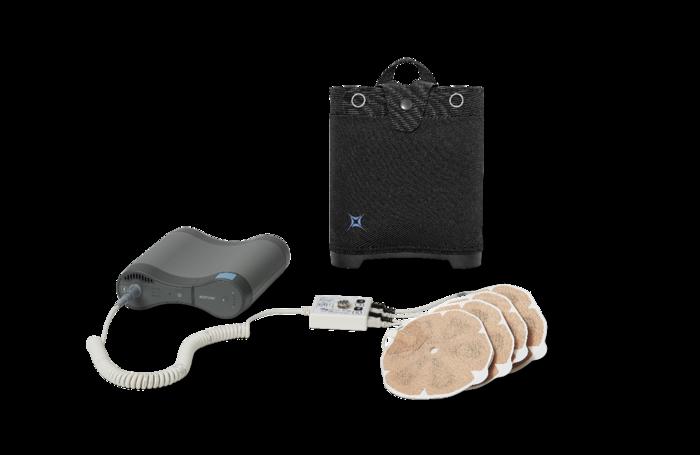
TTFields therapy emerges as a novel biophysical approach, employing low-intensity, alternating electric fields to disrupt the mitotic processes of cancer cells. Delivered via strategically placed electrode arrays over the scalp, TTFields interfere with polarized intracellular components essential for cell division. This continual disruption impairs the ability of glioblastoma cells to proliferate, halting tumor growth. Moreover, patients typically wear the device for about 18 hours daily, maintaining consistent therapeutic exposure.
Beyond mere growth inhibition, the intriguing immunomodulatory effect of TTFields has captured scientific interest. The therapy appears to elevate the infiltration and persistence of tumor-fighting T cells—immune cells fundamental to cancer eradication—within and surrounding glioblastoma tissues. By fostering a more immunologically active tumor microenvironment, TTFields prime the battlefield for immunotherapy agents to exert more potent effects.
The immunotherapy employed in this study is pembrolizumab, a checkpoint inhibitor known for reinvigorating exhausted T cells by blocking the PD-1 immune checkpoint pathway. While pembrolizumab has had limited success as a standalone treatment for glioblastoma, its combination with TTFields aims to overcome the tumor’s immune evasion mechanisms by first recruiting and sustaining effector T cells locally.
Experimental evidence presented in the phase 2 clinical trial 2-THE-TOP demonstrated that administering TTFields alongside standard chemotherapy (temozolomide) and pembrolizumab led to a remarkable 70% increase in overall survival compared with historical controls treated with TTFields plus chemotherapy alone. Particularly notable was the robust benefit observed in patients with large, unresected tumors—a subgroup typically associated with poor outcomes.
In these patients, the augmented immune response likely stems from the presence of more tumor antigens, which, when combined with the disruptive electric fields, effectively ignite localized immune activation. The result is a more vigorous and sustained anti-tumor immune attack potentiated by pembrolizumab’s checkpoint blockade.
Dr. David Tran, chief of neuro-oncology at Keck Medicine and lead author, elucidates this synergy as a strategic “team sport” wherein TTFields destabilize tumor defenses, providing an opening for immunotherapy to successfully mobilize the immune system’s offensive arsenal. This dual-pronged assault overcomes the immunosuppressive barriers of glioblastoma, offering a therapeutic breakthrough.
The study enrolled 31 patients newly diagnosed with glioblastoma who had completed chemoradiation. Twenty-six participants received the tripartite treatment regimen, with six to twelve months of chemotherapy, continuous TTFields application up to 24 months, and pembrolizumab infusions every three weeks beginning after the initial chemotherapy cycles. Outcomes revealed extended survival times and elevated T cell activity, underscoring the clinical and immunological potential of the combined treatment.
Importantly, the research also opens questions about the role of surgical tumor resection in the context of these therapies. Patients unable to undergo tumor removal appeared to benefit even more significantly, suggesting that the presence of the tumor mass serves as a substrate that TTFields and immunotherapy can exploit to launch a heightened immune response. Future investigations aim to clarify this relationship and optimize treatment protocols accordingly.
Keck Medicine is now advancing this line of inquiry in a multicenter phase 3 clinical trial enrolling over 700 glioblastoma patients worldwide. This pivotal study, led by Dr. Tran as the steering committee chair, will rigorously assess the efficacy and safety of the combined TTFields, pembrolizumab, and chemotherapy approach across diverse patient populations and tumor resection statuses.
The promise of TTFields lies not only in its direct cytostatic effects but also its capacity to reshape the neuro-oncological immunological landscape—a key barrier that has thwarted many previous immunotherapeutic attempts. Its integration into comprehensive treatment regimens may ultimately redefine standards of care for glioblastoma, a cancer that for decades has defied effective longue durée management.
With ongoing research and clinical validation, TTFields combined with immunotherapy represents a beacon of hope, signaling a transformative shift toward harnessing physical and immune-mediated strategies in unison to combat one of the most formidable brain tumors known to medicine.
News Publication Date: 3-Jun-2025
Web References:
- Clinical Trial NCT03405792: https://clinicaltrials.gov/study/NCT03405792
- Clinical Trial NCT06556563: https://clinicaltrials.gov/study/NCT06556563
References:
Tran DD, Chen D, Le S, et al. Efficacy and safety of adjuvant TTFields plus pembrolizumab and temozolomide in newly diagnosed glioblastoma: A phase 2 study. Med. 2025; doi:10.1016/j.medj.2025.100708.
Cite Scienmag News
Nathaniel Bowman. (June 9, 2025). Can Electric Fields Supercharge the Immune Response Against the Most Aggressive Brain Cancer? Scienmag. https://scienmag.com/can-electric-fields-supercharge-the-immune-response-against-the-most-aggressive-brain-cancer/
Nathaniel Bowman. "Can Electric Fields Supercharge the Immune Response Against the Most Aggressive Brain Cancer?" Scienmag, 9 June 2025, https://scienmag.com/can-electric-fields-supercharge-the-immune-response-against-the-most-aggressive-brain-cancer/. Accessed 3 September 2026.
Nathaniel Bowman. "Can Electric Fields Supercharge the Immune Response Against the Most Aggressive Brain Cancer?" Scienmag. June 9, 2025. https://scienmag.com/can-electric-fields-supercharge-the-immune-response-against-the-most-aggressive-brain-cancer/


