


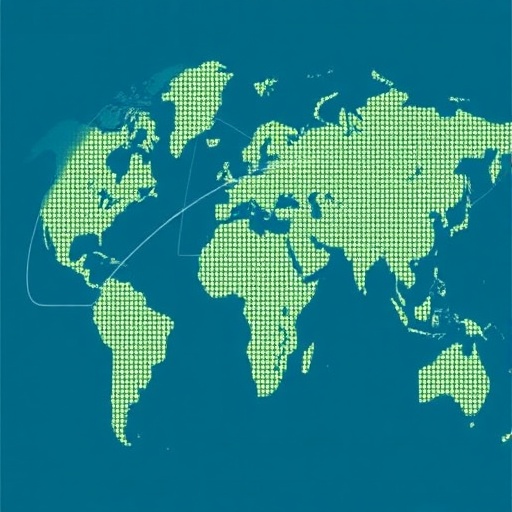
In an era where digital transformation is reshaping societies globally, the Global South faces uniquely complex challenges and opportunities in achieving digital inclusion. JMIR Publications, a prominent name in digital health research, has issued a call for submissions to a landmark theme issue titled “Digital Inclusion in the Global South: Navigating Access, Agency, and Impact,” featured in the peer-reviewed Journal of Medical Internet Research. This initiative aims to deepen scientific understanding and practical insights into how digital technologies are influencing health outcomes and social well-being in diverse developing contexts.
Digital inclusion extends beyond mere connectivity; it encapsulates equitable access to digital tools, capabilities to engage meaningfully, and the capacity to translate digital engagement into tangible benefits. The forthcoming theme issue seeks pioneering studies that dissect these dimensions through the dual lenses of promise and peril. While digital transformation can empower marginalized populations by enhancing healthcare delivery and social services, it also risks reinforcing entrenched inequalities if issues around gender, socioeconomic status, and local contexts are not addressed rigorously.
Central to this call for papers is innovation in measurement methodologies. Traditional metrics often fail to capture the nuanced realities of digital access in the Global South, where infrastructure disparities and cultural variables significantly influence engagement levels. Researchers are encouraged to propose novel indices, data collection instruments, and analytic frameworks that offer granular, context-sensitive insights. Such methodological refinements hold the potential to unlock a richer understanding of digital disparities and inform evidence-driven policies.
Gender remains a pivotal axis in the digital inclusion discourse. The theme issue highlights an urgent need to unpack how gender norms and intersecting social determinants shape digital agency among women and other marginalized groups. A spectrum of barriers—from limited digital literacy to restrictive socio-cultural norms—often constrains equitable participation. Simultaneously, digital platforms can serve as powerful enablers of empowerment, enabling women-led enterprises and community self-help groups to transcend geographic and economic constraints.
The transformative impact of digital innovations on health systems and livelihoods is another focal point. Digital tools—from telemedicine applications to workforce management platforms—are redefining healthcare delivery in resource-limited settings. Emphasis is placed on innovations that facilitate adoption and sustained use by frontline health workers and other key agents, particularly within marginalized communities. Understanding factors that drive or impede technology uptake is critical for optimizing health outcomes and ensuring that benefits reach those most in need.
The interplay between digital inclusion and the social determinants of health warrants critical exploration. Digital technologies intersect with education, economic opportunity, and social capital, collectively influencing health equity. Research that elucidates these complex dynamics, including investigations into policies and interventions aimed at integrating digital inclusion with broader social development strategies, is highly sought.
This thematic focus also encourages exploration of digital data innovations that enhance health informatics and surveillance while respecting privacy and ethical standards. The Global South presents unique data ecosystems, often characterized by heterogeneity and resource constraints, requiring adaptive and innovative approaches to data governance and utilization.
The issue’s transdisciplinary approach invites contributions from computer scientists, social scientists, public health experts, and policy analysts, fostering rich dialogue across academic and practical domains. This convergence is essential to address digital inclusion’s multifaceted nature and devise interventions that are culturally congruent and scalable.
Moreover, submissions discussing the unintended consequences and risks of digital expansion—such as data breaches, misinformation, and increased surveillance—are equally vital. Holistic understanding of these perils alongside opportunities will better equip stakeholders to design resilient systems responsive to diverse community needs.
Within this call, researchers are urged to engage with diverse populations and settings within the Global South, recognizing that digital inclusion is not monolithic but deeply context-dependent. Studies providing comparative analyses across regions or revealing intra-community variations will add significant value to the discourse.
By fostering a corpus of cutting-edge, evidence-based knowledge, the Journal of Medical Internet Research’s theme issue aspires to catalyze informed policy-making and implementation strategies. Ultimately, this initiative seeks to promote sustainable digital inclusion that underpins improved health outcomes and equitable development trajectories.
JMIR Publications stands at the forefront of digital health research dissemination, committed to amplifying voices and innovations that drive societal progress. Their open-access model and emphasis on open science principles ensure that findings from the Global South are accessible globally, accelerating cross-pollination of ideas and fostering global solidarity in digital health advancement.
This landmark call for papers is an invitation to scholars and practitioners committed to advancing digital inclusion with rigor and nuance. By navigating the complex interplay of access, agency, and impact, the theme issue promises to illuminate pathways toward a digitally equitable future for some of the world’s most vulnerable populations.
To engage with this exciting opportunity and learn more, interested authors and researchers can visit the Journal of Medical Internet Research’s official website, where submission guidelines and thematic scopes are detailed comprehensively.
Cite Scienmag News
Denise Maddox. (May 26, 2026). Call for Papers: The Journal of Medical Internet Research Seeks Submissions on Digital Inclusion in the Global South. Scienmag. https://scienmag.com/call-for-papers-the-journal-of-medical-internet-research-seeks-submissions-on-digital-inclusion-in-the-global-south/
Denise Maddox. "Call for Papers: The Journal of Medical Internet Research Seeks Submissions on Digital Inclusion in the Global South." Scienmag, 26 May 2026, https://scienmag.com/call-for-papers-the-journal-of-medical-internet-research-seeks-submissions-on-digital-inclusion-in-the-global-south/. Accessed 5 September 2026.
Denise Maddox. "Call for Papers: The Journal of Medical Internet Research Seeks Submissions on Digital Inclusion in the Global South." Scienmag. May 26, 2026. https://scienmag.com/call-for-papers-the-journal-of-medical-internet-research-seeks-submissions-on-digital-inclusion-in-the-global-south/


