

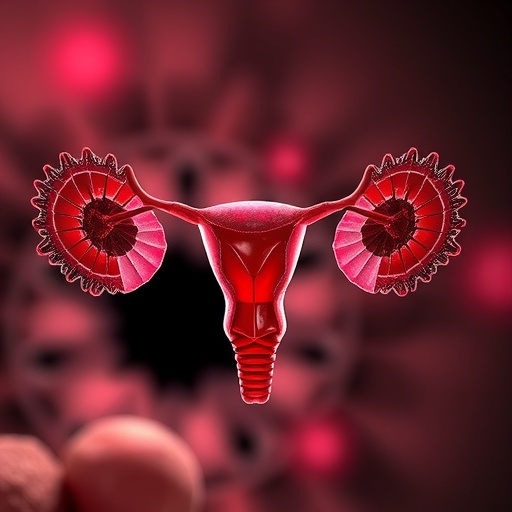
C-type natriuretic peptide (CNP) has drawn attention in recent years due to its potential role in regulating physiological processes within the human body. In a groundbreaking study published in the Journal of Ovarian Research, researchers Wei, Deng, and Liu, et al., delved into the mechanisms through which CNP can alleviate apoptosis, particularly in ovarian granulosa cells—a type of cell that plays a crucial role in female fertility and reproductive health. The findings of this study may extend far beyond basic reproductive biology and open new avenues for therapeutic interventions in various conditions.
The study advanced a pivotal understanding of how CNP affects ovarian granulosa cells through the cGMP signaling pathway. Apoptosis, or programmed cell death, is a normal and necessary process under controlled circumstances. However, excessive apoptosis in ovarian granulosa cells can contribute to conditions such as follicular atresia, leading to fertility problems. Understanding the signaling pathways that promote cell survival could hold key insights for enhancing female reproductive outcomes. In the research, the team employed rigorous experimental techniques to investigate how CNP mitigates cellular stressors that lead to apoptosis, establishing its potential as a protective factor within ovarian biology.
One of the most notable aspects of the study is the revelation that CNP operates via the cGMP pathway in a manner that is independent of the protein kinase G (PKG) signaling cascade. This finding challenges the traditional understanding of CNP signaling and expands the potential applications of the peptide in clinical therapies. While PKG activity has been noted in several cellular processes previously attributed to natriuretic peptides, the current research indicates an alternative signaling route for CNP. This observation raises critical questions regarding the complexity of cellular signaling and the various layers of regulation present in hormonal pathways.
In vitro experiments performed by the researchers demonstrated that CNP treatment significantly reduced apoptosis rates in cultured granulosa cells challenged with various apoptotic stimuli. The reduction in apoptosis was accompanied by enhanced cell viability, suggesting that CNP can play an integral role in promoting cell survival under stress conditions. The potential impacts of these findings extend to developing new treatment modalities for women facing fertility challenges, particularly those experiencing diminished ovarian reserve or other reproductive disorders characterized by excessive granulosa cell apoptosis.
Mechanistically, the research team explored the downstream signaling effects following CNP binding to its receptor. The results showed that CNP triggered a significant increase in intracellular cGMP levels, which in turn facilitated a series of signaling events leading to cell survival. It was demonstrated that this survival mechanism was robust even in the absence of PKG activation, highlighting the need for further investigations into other effector proteins or pathways that might mediate these protective effects.
The implications of this discovery are profound, particularly considering the high prevalence of fertility issues worldwide. By targeting the pathways identified in this study, researchers may eventually develop effective therapeutics to support women struggling with ovarian dysfunction. Future directions could include elucidating additional signaling components that interact with CNP, paving the way for comprehensive treatments that harness the body’s native pathways for cell survival.
Furthermore, the research has broader implications for understanding apoptosis in various normal and pathological conditions. While the study is centered on ovarian biology, the cGMP-mediated survival mechanisms could potentially be relevant in other tissues where cell death is a critical factor—for example, in neurodegenerative diseases or injury response scenarios. Investigating CNP’s role across different biological systems may reveal synergies and identical pathways that govern cell fate decisions in diverse environments.
With increasing evidence pointing towards the versatility of CNP in cell signaling, this study is poised to catalyze more extensive research into natriuretic peptides’ systemic effects. As clinicians and scientists seek to mitigate unregulated apoptosis in numerous settings, CNP stands out as a potential candidate for therapeutic intervention, shifting the landscape of treatment options available for reproductive health and beyond.
In conclusion, the revelations from Wei, Deng, Liu, et al. represent a significant leap forward in our understanding of both CNP and ovarian biology. This piece of research not only elucidates critical signaling pathways that underlie granulosa cell survival but also sets the stage for future explorations into natriuretic peptide biology. As science continues to push the boundaries of our knowledge on fertility and reproductive health, the findings from this study may ultimately contribute to revolutionary therapeutic strategies for women navigating the complexities of reproduction.
In sum, this pioneering research underscores the promise of C-type natriuretic peptide in enhancing granulosa cell viability through a unique signaling pathway. By moving beyond the confines of traditional PKG-mediated pathways, scientists are uncovering a more multifaceted landscape of cellular signaling that may redefine therapeutic approaches to various reproductive challenges. The interplay of hormones, receptors, and intracellular messengers remains a field ripe for exploration and discovery, with the potential to yield life-changing implications for women’s health.
Through these advancements, it becomes clear that the future landscape of reproductive medicine may very well be designed around a multidimensional understanding of hormonal interactions, cellular survival pathways, and the inherent capacities of the human body to heal itself. This research adds another piece to the puzzle of female fertility and underscores the pressing need for continued investigations to harness nature’s own mechanisms for therapeutic benefit.
By investing in this area of research, we may soon see breakthroughs that empower women with greater reproductive choices and healthier pregnancies, fostering a deeper connection between science and the very essence of life itself.
Subject of Research: The role of C-type natriuretic peptide in reducing apoptosis in ovarian granulosa cells.
Article Title: C-type natriuretic peptide mitigates apoptosis in ovarian granulosa cells through the cGMP pathway independent of PKG signaling.
Article References: Wei, Y., Deng, H., Liu, Q. et al. C-type natriuretic peptide mitigates apoptosis in ovarian granulosa cells through the cGMP pathway independent of PKG signaling. J Ovarian Res 18, 290 (2025). https://doi.org/10.1186/s13048-025-01879-w
Image Credits: AI Generated
DOI: https://doi.org/10.1186/s13048-025-01879-w
Keywords: C-type natriuretic peptide, granulosa cells, apoptosis, reproductive health, signaling pathways, cGMP, female fertility


