

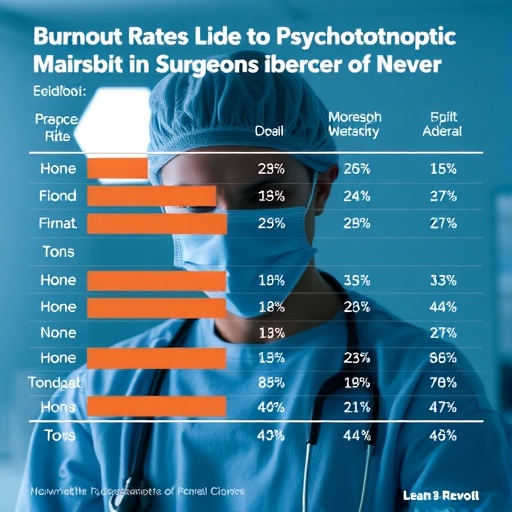
In recent years, the focus on mental health within the demanding field of surgical residency has evolved from a peripheral concern to a critical issue warranting deep investigation. A groundbreaking study published in the journal Discovery Mental Health highlights the alarming prevalence of burnout among surgical residents in Saudi Arabia, a phenomenon that not only threatens the well-being of the doctors but also compromises patient care. This study represents an important addition to the growing body of literature that aims to unearth the various facets of workplace mental health challenges in the medical field.
Burnout, a state of emotional, physical, and mental exhaustion caused by prolonged and excessive stress, is notoriously prevalent in high-stakes environments, especially in the medical industry. The authors of the study—Alghamdi and colleagues—delve into how surgical residents are particularly vulnerable to this condition due to their rigorous training schedules, demanding workloads, and high expectations. Their findings raise important questions about the systemic factors contributing to burnout and the potential health implications for these young professionals.
As surgical residents grapple with continuous hours in operating rooms, compounded by the pressure to perform flawlessly, they encounter not only physical fatigue but also emotional turmoil. The research indicates that nearly half of the surgical residents surveyed reported symptoms consistent with burnout. This statistic is startling and signals a need for immediate intervention and support mechanisms within surgical training programs in Saudi Arabia and beyond.
One of the most intriguing findings of the study pertains to the association between burnout and the use of psychotropic medications among these residents. According to the data collected, those experiencing higher levels of burnout were more likely to resort to medication, raising concerns about the coping strategies employed by medical professionals. While psychotropic medications can be essential for treating significant mental health issues, this trend signals a dependency that could have serious implications for both the residents’ personal lives and their professional responsibilities.
The study’s authors emphasize that understanding the correlation between burnout and medication use is crucial for developing targeted interventions. They advocate for enhancing mental health resources and creating supportive environments where open discussions about burnout and mental well-being can occur without stigma. This could involve implementing counseling services, peer-support programs, and regular mental health check-ups, which could serve as preventive measures against burnout.
Additionally, the research suggests that institutional changes are urgently needed to address the systemic issues fueling resident burnout. Potential reforms include revising the structure of training programs to allow a better work-life balance, thereby providing residents with more time for self-care and personal pursuits outside of their rigorous medical training. This fundamental shift could alleviate some of the overwhelming pressures associated with surgical residencies.
The study also highlights the importance of fostering a culture of well-being within medical institutions. Leadership in hospitals and medical schools must recognize that a healthy workforce is crucial not only for the residents themselves but also for maintaining high standards of patient care. Programs aimed at enhancing resilience among surgical residents could mitigate feelings of isolation and overwhelming stress, which are often precursors to burnout.
Moreover, addressing the stigma associated with mental health issues in the medical field is an essential step toward creating an atmosphere where residents feel safe seeking help. Initiatives to normalize discussions around mental health and encourage residents to seek support could have a significant positive impact on reducing burnout rates. The active participation of senior medical staff in these initiatives can serve as a powerful model to younger professionals.
The authors acknowledge the limitations of their study, including its reliance on self-reported data and the potential biases inherent in such methodologies. Despite these limitations, the results indicate compelling directions for future research, particularly in expanding the study to include diverse geographic locations and training programs. This breadth could yield a richer understanding of burnout across different contexts and systems.
As the findings from this research gain traction, they serve as a critical reminder of the importance of mental health awareness within the medical community. They underscore the necessity for continued investigation into not only the causes and effects of burnout but also the most effective strategies for prevention and treatment.
In conclusion, the alarming findings of this study illuminate the urgent need for action regarding burnout among surgical residents. As healthcare systems worldwide grapple with the balance of training competent professionals while maintaining their mental health, it becomes clear that solutions must be multifaceted. Prioritizing mental well-being in surgical training programs will not only benefit residents but will also enhance the overall quality of patient care, establishing a healthier future for both healthcare providers and their patients.
The journey ahead will require collaboration between medical institutions, policymakers, and mental health professionals to develop sustainable solutions that address burnout comprehensively. As we look towards the future of medical education, a collective commitment to mental health could transform the landscape of surgical residency, ensuring that doctors can fulfill their vital roles without sacrificing their health.
Subject of Research: Burnout and psychotropic medication use among surgical residents in Saudi Arabia
Article Title: Prevalence of burnout and its association with psychotropic medication use among surgical residents in Saudi Arabia.
Article References:
Alghamdi, S.A., Amlih, M.F., Al-Habdan, A.A. et al. Prevalence of burnout and its association with psychotropic medication use among surgical residents in Saudi Arabia.
Discov Ment Health (2026). https://doi.org/10.1007/s44192-026-00367-x
Image Credits: AI Generated
DOI: 10.1007/s44192-026-00367-x
Keywords: Burnout, Surgical Residents, Mental Health, Psychotropic Medications, Saudi Arabia, Medical Training


