


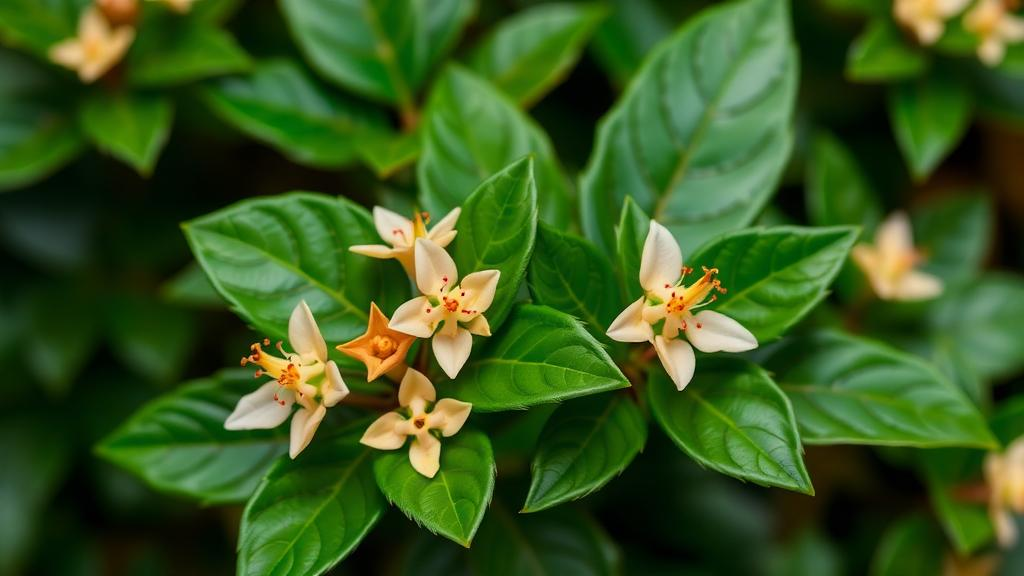
Scientists in Brazil have uncovered striking antibacterial potential in two little-studied trees of the Atlantic Forest, reporting that extracts from Eugenia astringens and Eugenia mattosii can kill drug-resistant staphylococcal bacteria, dismantle the biofilms that shield them, and even restore the power of a failing antibiotic. The new research, published in Frontiers in Natural Products, positions these native plants as promising leads in the escalating arms race against antimicrobial resistance, a threat linked to an estimated 4.95 million deaths worldwide in 2019 alone.
The research team, drawn from institutions across Santa Catarina and Ceará including the Regional University of Blumenau and the Regional University of Cariri, collected six Eugenia species endemic to the Atlantic Forest of Santa Catarina state. After extracting plant material in 70 percent hydroethanolic solution, they screened the crude extracts against a panel of clinically important bacteria, including Staphylococcus aureus, methicillin-resistant S. aureus (MRSA), oxacillin-resistant Staphylococcus epidermidis, and several Gram-negative pathogens such as Escherichia coli, Klebsiella pneumoniae, Pseudomonas aeruginosa, and Salmonella. Two species, E. astringens and E. mattosii, stood out and were selected for deeper chemical and biological analysis.
The results were unambiguous: the extracts were selectively lethal to Gram-positive bacteria while showing little to no activity against Gram-negative strains. E. astringens delivered the most dramatic numbers, inhibiting S. aureus and MRSA at a minimum inhibitory concentration (MIC) of just 15.62 micrograms per milliliter, and suppressing S. epidermidis at an even lower 7.81 micrograms per milliliter. E. mattosii was active but weaker, with MIC values of 125 micrograms per milliliter across all staphylococcal strains. The researchers attribute this Gram-positive selectivity to bacterial cell envelope architecture: Gram-negative bacteria wield an outer membrane rich in lipopolysaccharides that acts as a formidable permeability barrier, blocking the entry of many plant-derived compounds, while Gram-positive species, lacking this shield, are far more exposed.
To understand what makes these plants chemically potent, the team deployed high-performance liquid chromatography coupled with tandem mass spectrometry (HPLC–ESI-MS/MS) against 39 reference phenolic standards. The analysis revealed nine compounds in E. astringens, dominated by gallic acid at a remarkable 542.4 micrograms per gram of extract, alongside quercetin and abscisic acid. E. mattosii yielded eleven compounds, headlined by the flavan-3-ols epicatechin (533.2 micrograms per gram) and catechin (359.8 micrograms per gram). Notably, nine of the compounds found in E. astringens, including gallic acid, protocatechuic acid, syringic acid, p-coumaric acid, scopoletin, p-anisic acid, abscisic acid, quercetin, and galangin, had never before been reported in that species, while epicatechin, vanillic acid, and ferulic acid were first-time finds in E. mattosii.
Fractionation sharpened the picture further. When the crude hydroethanolic extracts were partitioned into insoluble, dichloromethane, ethyl acetate, and aqueous fractions, several less polar fractions of E. astringens became even more potent than the parent extract, with the insoluble fraction reaching an MIC of 7.81 micrograms per milliliter against S. aureus and MRSA. This enrichment suggests the active constituents favor low-to-intermediate polarity solvents and may include meroterpenoids such as eugenial C and D, compounds previously isolated from this species and shown to be strongly active against staphylococci. The persistence of activity in more polar fractions, however, hints that multiple chemical classes contribute to the overall effect.
Biofilm experiments added a crucial dimension to the findings. Biofilms, the slimy communities of cells encased in extracellular polymeric substances, are among the chief reasons staphylococcal infections become chronic and resist treatment. In inhibition assays, the active extracts and fractions blocked biofilm formation at concentrations as low as 7.81 to 15.62 micrograms per milliliter, often below the levels needed to stop bacterial growth outright. Against MRSA, every tested sample significantly inhibited biofilm formation at 7.81 micrograms per milliliter. Eradicating mature, preformed biofilms proved harder, but the crude extract of E. astringens significantly reduced MRSA biofilm biomass at 125 micrograms per milliliter and above, while its dichloromethane fraction worked from 62.5 micrograms per milliliter. The researchers note that quercetin and gallic acid, both abundant in E. astringens, are known to suppress sarA, a master regulator of staphylococcal biofilm development, offering a plausible molecular explanation for these effects.
Perhaps the most clinically significant result emerged from checkerboard synergy assays. When E. astringens extracts and fractions were combined with ampicillin, a beta-lactam antibiotic to which MRSA is classically resistant, the fractional inhibitory concentration index (FICI) dropped to 0.24 to 0.28 against MRSA and 0.35 to 0.36 against S. epidermidis, well below the 0.5 threshold that defines true synergy. In practical terms, the plant compounds dramatically lowered the amount of ampicillin needed to inhibit these resistant strains. The authors propose a mechanistic rationale: gallic acid can inflict irreversible damage on bacterial membranes, altering surface charge and forming pores that ease ampicillin’s access to its targets, the penicillin-binding proteins. Molecular docking studies cited in the paper also suggest quercetin interacts with PBP3, and related Eugenia essential oils have been shown computationally to bind an allosteric site on PBP2a, the protein that renders MRSA resistant to beta-lactams in the first place.
Direct evidence of membrane disruption came from SYTOX Green fluorescence assays, which use a DNA-binding dye that fluoresces only when cell membranes are compromised. The dichloromethane fraction of E. astringens increased fluorescence by 38.5 percent in multidrug-resistant S. aureus and 39.5 percent in S. epidermidis, while the ethyl acetate fraction of E. mattosii produced the strongest effects overall, at 47.6 and 45.5 percent respectively. Growth kinetics assays reinforced the picture of sustained inhibition, with selected E. astringens fractions holding bacterial optical density down across a full 24-hour incubation at twice the MIC. The researchers caution, however, that a direct causal link between membrane permeabilization and ampicillin synergy has not been established, and other mechanisms such as efflux pump inhibition remain possible.
Safety data offered an encouraging counterpoint to the potency. In cytotoxicity tests using RAW 264.7 murine macrophages, the extracts and fractions showed low toxicity at concentrations corresponding to their antibacterial activity, with no sample reducing cell viability below 75 percent at 125 micrograms per milliliter, the highest MIC observed. Reductions in viability appeared only at the highest tested concentration of 500 micrograms per milliliter and in only a limited number of samples. These results align with earlier work on E. astringens in macrophages and Vero cells, though the authors note that a previous study reported higher cytotoxicity for E. mattosii extracts against HeLa tumor cells, a reminder that cell models can yield different susceptibility profiles.
Taken together, the study paints E. astringens as a standout candidate in the bioprospecting landscape of Brazilian flora: a species combining potent anti-staphylococcal activity, biofilm inhibition, ampicillin-potentiating synergy, membrane-disrupting mechanisms, and a favorable cytotoxicity profile. With 407 Eugenia species native to Brazil and natural products historically accounting for roughly half of FDA-approved antibacterials between 1981 and 2019, the genus represents a vast and largely untapped chemical library. The authors emphasize that further investigation is needed to isolate the specific active molecules, confirm the mechanisms of synergy, and evaluate efficacy in infection models, but the message is clear: the Atlantic Forest may be hiding allies in the fight against some of medicine’s most stubborn bacterial foes.
Subject of Research: Antimicrobial and antibiofilm activity of phenolic-rich extracts from Eugenia astringens and Eugenia mattosii against resistant staphylococcal bacteria
Article Title: Phytochemical characterization and evaluation of antimicrobial activity of Eugenia sp.: antibacterial, antibiofilm and ampicillin-potentiating activities against resistant Staphylococcus aureus and Staphylococcus epidermidis
Article References: Dantas, P. L. D. S., Bachmann, L., Blaese Gramkov, A. C., Reichert, T., Zibell, N. P., Dolzan, M. D., Lourenço, M. S., Tintino, S. R., Botelho, T. K. R., Siebert, D. A., Vitali, L., Oliveira-Tintino, C. D. D. M., Machado, I. D., & Alberton, M. D. (2026). Phytochemical characterization and evaluation of antimicrobial activity of Eugenia sp.: antibacterial, antibiofilm and ampicillin-potentiating activities against resistant Staphylococcus aureus and Staphylococcus epidermidis. Frontiers in Natural Products, 5, Article 1920078. https://doi.org/10.3389/fntpr.2026.1920078
Image Credits: AI Generated
DOI: 10.3389/fntpr.2026.1920078
Keywords: Eugenia astringens, Eugenia mattosii, MRSA, Staphylococcus aureus, antimicrobial resistance, biofilm, ampicillin synergy, phenolic compounds, gallic acid, quercetin, membrane permeability, Atlantic Forest
Cite Scienmag News
Naomi Webster. (October 16, 2026). Brazilian Eugenia Plants Show Potent Activity Against Drug-Resistant Staph Bacteria. Scienmag. https://scienmag.com/brazilian-eugenia-plants-show-potent-activity-against-drug-resistant-staph-bacteria/
Naomi Webster. "Brazilian Eugenia Plants Show Potent Activity Against Drug-Resistant Staph Bacteria." Scienmag, 16 October 2026, https://scienmag.com/brazilian-eugenia-plants-show-potent-activity-against-drug-resistant-staph-bacteria/. Accessed 16 October 2026.
Naomi Webster. "Brazilian Eugenia Plants Show Potent Activity Against Drug-Resistant Staph Bacteria." Scienmag. October 16, 2026. https://scienmag.com/brazilian-eugenia-plants-show-potent-activity-against-drug-resistant-staph-bacteria/


