


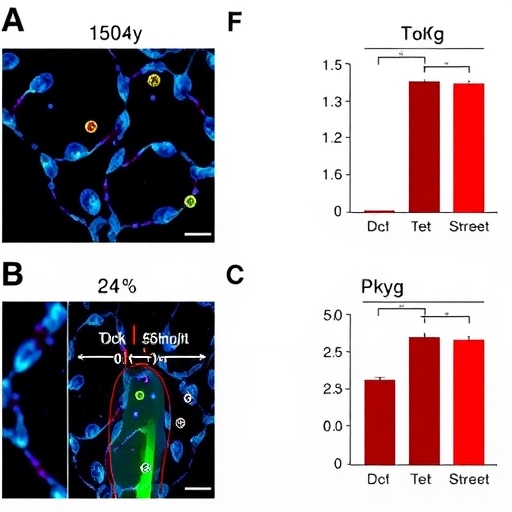
A drug best known for treating blood cancers has shown an unexpected ability to slow the growth of Mycoplasma pneumoniae, a respiratory pathogen that causes persistent coughs, fever and pneumonia, while also reshaping the immune response to infection. In a study published in the Journal of Antibiotics, researchers report that bortezomib produced dose-dependent bacteriostatic effects against the bacterium in laboratory cultures and reduced lung damage in infected mice. The findings suggest that the drug may act through a two-pronged mechanism: directly restricting the pathogen’s metabolism and influencing inflammatory signaling in infected lung cells. However, the results remain preclinical, and they do not establish that bortezomib is ready to treat people with M. pneumoniae infections.
Unlike many common bacterial pathogens, M. pneumoniae lacks a rigid cell wall. This unusual biology makes it intrinsically resistant to antibiotics that target cell-wall construction, including penicillin and related drugs. The organism instead relies on a delicate cell membrane and a compact genome, attaching to airway epithelial cells and extracting nutrients from its surroundings. Although infections are often mild, they can cause prolonged respiratory illness and, in some cases, severe pneumonia or complications affecting the nervous system, skin or heart. The new study explored whether bortezomib, a protease inhibitor used clinically against multiple myeloma and some other cancers, could interfere with the bacterium’s survival while modifying the host response that contributes to lung injury.
In culture experiments, bortezomib inhibited M. pneumoniae growth in a concentration-dependent manner. The researchers detected measurable changes after three days of incubation when concentrations exceeded 10 nanomoles. Two indicators pointed to impaired bacterial activity: shifts in the culture medium’s pH, reflecting altered glucose catabolism, and a reduction in colony-forming units, a standard measure of the number of viable organisms capable of multiplying. The drug’s effect was described as bacteriostatic rather than bactericidal. That distinction is important. A bacteriostatic compound suppresses bacterial growth without necessarily killing every bacterial cell, potentially giving the immune system time to clear the infection. It also means that the laboratory result should not be interpreted as evidence that bortezomib rapidly eradicates the pathogen.
At 25 nanomoles, the treatment was associated with reduced protein and carbohydrate content in M. pneumoniae cells compared with untreated bacteria. Because the organism has limited biosynthetic capacity and depends heavily on imported nutrients, disruptions to these cellular reserves could have an outsized effect on its ability to grow and maintain its membrane and other structures. The experiments do not, however, identify a single molecular target inside the bacterium. Bortezomib is designed to inhibit the 26S proteasome, a protein-degrading complex in human cells, while M. pneumoniae does not possess a conventional eukaryotic proteasome. The antibacterial effect may therefore involve indirect metabolic stress, interference with bacterial protein handling or another mechanism that requires further investigation.
The researchers next examined the interaction between the drug, the pathogen and A549 lung epithelial cells, a human cell line commonly used to model airway tissue. In co-culture, bortezomib reduced bacterial colony-forming units but also affected the viability of the epithelial cells. That dual result underscores both the promise and the risk of the approach. A compound that suppresses a pathogen but damages the cells lining the lung may have a narrow therapeutic window, the range between an effective dose and a toxic one. Because bortezomib is a potent anticancer medicine with known systemic side effects, including effects on nerves, blood cells and the gastrointestinal system, its potential use against an acute respiratory infection would require particularly careful dose and delivery studies.
To understand how treatment altered the infected cells, the team performed transcriptome analysis, which measures changes in the activity of thousands of genes. In A549 cells exposed to M. pneumoniae and bortezomib, genes associated with protein digestion and absorption pathways were affected. The analysis also indicated increased activity in the PI3K-Akt and JAK-STAT signaling pathways and reduced activity in the MAPK pathway. These networks govern cell survival, metabolism, communication and immune responses. Their altered activity suggests that bortezomib was not merely acting as a chemical brake on bacterial multiplication; it was also changing how lung cells interpreted and responded to infection. Transcriptomic pathway results are exploratory rather than proof that every component of a pathway has been activated, but they provide clues for more targeted experiments.
Protein analyses offered additional insight into the inflammatory response. Infection with M. pneumoniae increased the level of TLR4, a pattern-recognition receptor that detects molecular signals associated with microbes and can initiate inflammation. Bortezomib reduced this infection-associated rise. The treatment also lowered the level of IκBα, a regulatory protein that normally restrains the transcription factor NF-κB. At the same time, the researchers detected higher concentrations of interleukin-6, or IL-6, outside infected cells after treatment. IL-6 is a multifunctional cytokine involved in fever, acute-phase responses and immune-cell recruitment. Its elevation can help coordinate host defense, but excessive IL-6 is also associated with damaging inflammation. The apparently mixed changes in TLR4, IκBα and IL-6 show why immune modulation cannot be judged simply as “anti-inflammatory” or “pro-inflammatory.”
The study further reported that secretions from treated A549 cells promoted the polarization of macrophages toward an M1-like state. Macrophages are immune cells that can adopt different functional programs depending on signals from their environment. M1 polarization is commonly associated with antimicrobial activity and the production of inflammatory mediators, although the M1/M2 framework is an oversimplification of the spectrum of macrophage states in living tissues. In the context of respiratory infection, stronger macrophage activation might improve pathogen clearance, but an uncontrolled response could also worsen tissue damage. The researchers therefore describe bortezomib as having a pro-inflammatory effect during M. pneumoniae infection, even as some of its signaling changes appeared to reduce particular infection-triggered pathways.
The most important evidence came from experiments in Balb/c mice infected with M. pneumoniae. Animals given bortezomib orally produced more pathogen-specific antibodies and showed reduced pulmonary damage seven days after infection. Antibodies can help identify and neutralize microbes or mark them for removal by immune cells, so the finding is consistent with enhanced adaptive immunity. Reduced lung injury suggests that the combined effects of lower bacterial burden and altered immune coordination may have benefited the animals at this time point. Yet a single post-infection measurement cannot show whether the treatment improves long-term recovery, prevents transmission or remains safe with repeated dosing. Mouse immune systems and drug metabolism also differ substantially from those of humans.
The results position bortezomib as a possible starting point for research into host-directed therapies for M. pneumoniae, rather than as a new antibiotic ready for clinical use. Such therapies aim to influence the host’s biology—metabolism, immune signaling or tissue protection—in addition to attacking the microbe directly. Before the idea can move toward human trials, researchers will need to establish how bortezomib inhibits the bacterium, determine whether its effects occur at clinically achievable concentrations, and separate antimicrobial activity from toxicity to airway cells. They will also need to test different routes of administration, including whether localized delivery to the lungs could reduce systemic exposure. For now, the study’s viral appeal rests on a striking drug-repurposing discovery: a cancer medicine appears to slow a wall-less respiratory bacterium while recalibrating the infected lung’s immune environment, but its clinical value remains an open scientific question.
Cite Scienmag News
Kristina Jarvis. (August 27, 2026). Bortezomib Shows Bacteriostatic and Pro-Inflammatory Effects Against Mycoplasma pneumoniae. Scienmag. https://scienmag.com/bortezomib-shows-bacteriostatic-and-pro-inflammatory-effects-against-mycoplasma-pneumoniae/
Kristina Jarvis. "Bortezomib Shows Bacteriostatic and Pro-Inflammatory Effects Against Mycoplasma pneumoniae." Scienmag, 27 August 2026, https://scienmag.com/bortezomib-shows-bacteriostatic-and-pro-inflammatory-effects-against-mycoplasma-pneumoniae/. Accessed 4 September 2026.
Kristina Jarvis. "Bortezomib Shows Bacteriostatic and Pro-Inflammatory Effects Against Mycoplasma pneumoniae." Scienmag. August 27, 2026. https://scienmag.com/bortezomib-shows-bacteriostatic-and-pro-inflammatory-effects-against-mycoplasma-pneumoniae/


