


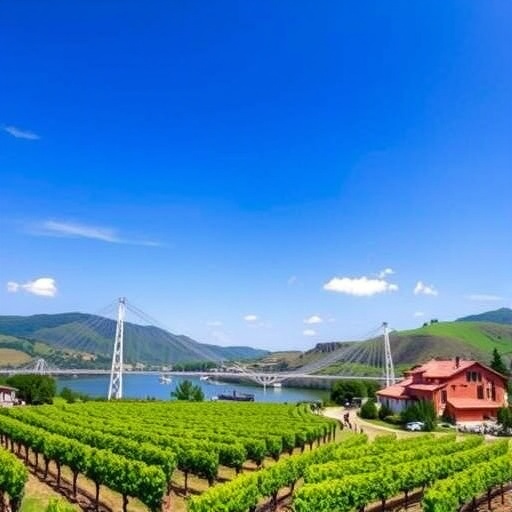
In recent years, the Douro Valley, a UNESCO World Heritage site in Portugal, has increasingly been recognized not only for its stunning landscapes but also as an epicenter of wine production and tourism. The region’s unique terroir, combined with centuries-old winemaking traditions, has fostered a vibrant wine culture that attracts tourists from all around the globe. However, as the demand for wines and tourism experiences surges, it has become apparent that a strategic approach is essential for sustaining both the industry and the ecological integrity of this remarkable valley.
The research conducted by Baptista, Fontaínhas-Fernandes, and Sequeira delves deep into the intricate balance between sustainable practices in wine production and the burgeoning tourism market. This study reveals that the key to addressing these simultaneous demands lies in adopting a comprehensive strategy that relates sustainability directly to competitiveness. This multidimensional strategy not only aims at conserving the natural resources of the Douro Valley but also enhances the region’s economic viability, thereby ensuring that local communities and businesses thrive in harmony with their environment.
A central aspect of the authors’ strategy emphasizes the need for wineries to implement sustainable viticulture practices. These practices include organic farming methods, soil conservation techniques, and water management strategies that minimize the ecological footprint of wine production. By adopting these methods, producers can not only improve the quality of their wines but also appeal to an increasingly eco-conscious consumer base. This move towards sustainability is no longer a niche concern; it represents a critical pivot in capturing market share in a crowded, competitive landscape.
Tourism, particularly wine tourism, has grown substantially in the Douro Valley, with visitors seeking authentic experiences that connect them to the region’s heritage. The research posits that enhancing these tourism experiences through sustainable practices can create a competitive advantage. For instance, wineries that educate visitors about sustainable wine production methods or offer eco-friendly tours can differentiate themselves in the market. Today’s tourists crave immersive experiences, and by providing insights into the sustainability efforts of wineries, the Douro Valley can present itself as a leader in responsible tourism.
Moreover, the role of community engagement cannot be overstated. The success of sustainability strategies relies heavily on local stakeholders actively participating in the framework. The research underscores the importance of involving not only winemakers but also local businesses, environmental organizations, and government entities in dialogues that shape the future of the region. Such collaborative efforts can harness a collective vision of sustainability that aligns the interests of different stakeholders and fosters a resilient local economy.
The concept of regenerative agriculture also features prominently in the researchers’ recommendations. This innovative farming philosophy goes beyond sustainability and aims to restore and enhance the health of the ecosystems. By embracing regenerative practices, vineyards in the Douro Valley can contribute to carbon sequestration, biodiversity enhancement, and improved soil health. Such initiatives not only benefit the environment but also fulfill the growing consumer demand for agricultural products that are grown in harmony with nature.
Furthermore, building resilience to climate change is an essential component of the sustainability framework. The Douro Valley faces challenges such as changing weather patterns and increasing temperatures, which can affect grape quality and yield. The study highlights the necessity for proactive measures, such as developing grape varieties suited to a warmer climate and adopting adaptive viticulture practices. By being at the forefront of climate adaptation, the Douro Valley can safeguard its reputation as a premier wine-producing region.
Digital transformation also plays a pivotal role in this strategy. The integration of technological innovations in vineyard management and wine production can significantly enhance efficiency and sustainability. Technologies such as precision agriculture, drone surveillance, and data analytics enable winemakers to optimize their resource use while maintaining the quality of their products. This technological edge not only contributes to sustainable production but also offers significant marketing opportunities to showcase that innovation to tech-savvy consumers who value sustainability.
Marketing strategies, too, must evolve to reflect this commitment to sustainability. Consumers today are increasingly influenced by the practices behind the products they purchase. Therefore, transparently communicating the sustainable efforts and successes of wine producers in the Douro Valley can foster strong branding that resonates with target markets. This strategic marketing can be used to create a narrative that elevates the wines of Douro Valley within the global marketplace, allowing them to stand apart from the competition and attract a niche audience willing to pay a premium.
In conclusion, the future of wine production and tourism in the Douro Valley lies in the adoption of an integrated sustainability framework that addresses both ecological and economic concerns. The research by Baptista, Fontaínhas-Fernandes, and Sequeira presents a compelling case for rethinking the traditional approaches to these industries. By embracing sustainability as a core principle, stakeholders can create a thriving, competitive environment that respects the unique challenges and opportunities of the Douro Valley. This dual focus on sustainability and competitiveness not only promises a prosperous future for the region but also sets a precedent for other wine-producing areas across the globe, encouraging them to follow suit.
Understanding that sustainability and competitiveness are interlinked opens the door for innovative practices that ensure the Douro Valley remains a cherished destination for wine lovers and tourists alike. The urgency of adopting these measures cannot be overstated; the time to act is now, and the Douro Valley must serve as a model for others hoping to balance economic growth with environmental stewardship. As consumers continue to place importance on sustainability, the first movers in the Douro Valley will undoubtedly reap the rewards in both reputation and revenue, affirming the principle that being green can also be financially advantageous.
Baptista, A., Fontaínhas-Fernandes, A. & Sequeira, T. A strategy for sustainability and competitiveness in wine production and tourism in Portugal’s Douro Valley.
Discov Sustain 6, 1269 (2025). https://doi.org/10.1007/s43621-025-02085-w
Cite Scienmag News
Sloane Callahan. (November 24, 2025). Boosting Sustainability and Competitiveness in Douro Valley Wine. Scienmag. https://scienmag.com/boosting-sustainability-and-competitiveness-in-douro-valley-wine/
Sloane Callahan. "Boosting Sustainability and Competitiveness in Douro Valley Wine." Scienmag, 24 November 2025, https://scienmag.com/boosting-sustainability-and-competitiveness-in-douro-valley-wine/. Accessed 4 September 2026.
Sloane Callahan. "Boosting Sustainability and Competitiveness in Douro Valley Wine." Scienmag. November 24, 2025. https://scienmag.com/boosting-sustainability-and-competitiveness-in-douro-valley-wine/


