


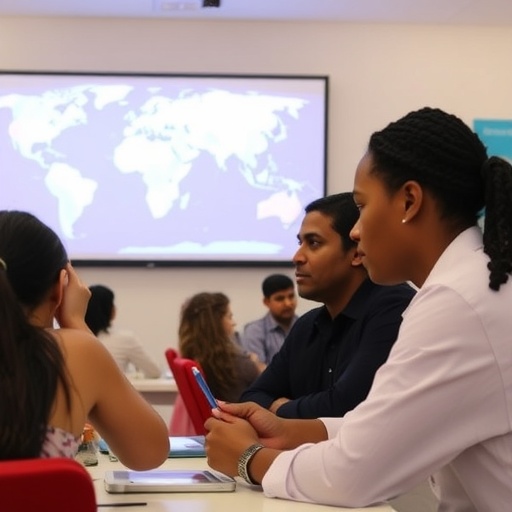
In an era defined by rapid technological advancements and a pressing need for innovative solutions to global challenges, the integration of entrepreneurship education into Science, Technology, Engineering, and Mathematics (STEM) curricula within the higher education institutions of the Global South has emerged as a critical focus for academic leaders and policymakers alike. The publication by Mapanga and Faleni highlights the urgent need to bridge the gap between theoretical knowledge and practical entrepreneurial skills, aiming to produce graduates who are not only experts in their fields but also adept at navigating the complexities of the entrepreneurial landscape.
Historically, higher education systems in many Global South countries have been criticized for their traditional teaching approaches, which often emphasize rote learning and theoretical knowledge at the expense of practical application. This model has hindered the students’ ability to become innovative thinkers capable of making meaningful contributions to their communities and economies. Recognizing this shortfall, the authors propose a paradigm shift toward a curriculum that not only includes STEM education but integrates entrepreneurship as a core component. This synthesis not only enhances students’ employability but also fosters a culture of innovation that is necessary for economic growth and development in these regions.
Entrepreneurship education fosters critical skills such as problem-solving, creativity, and strategic thinking. With the rising unemployment rates and economic challenges faced by many countries in the Global South, equipping students with these competencies is imperative. The authors argue that integrating entrepreneurship into STEM can empower students to identify and exploit market opportunities, thereby encouraging them to create their own jobs and stimulate local economies. This empowerment becomes particularly vital in regions where formal employment opportunities are scarce, and innovation is often sparked from grassroots efforts.
At the heart of this integration is the concept of experiential learning. The authors highlight the importance of providing students with hands-on experiences that complement their academic learning. By engaging with real-world problems, students can apply theoretical concepts in meaningful ways, enhancing both their understanding of the subject matter and their entrepreneurial skills. Such experiences can take various forms, including internships, startup incubators, and collaborative projects with local businesses, creating a dynamic learning environment that reflects the complexities of the global marketplace.
Moreover, the authors stress the significance of collaborating with industry partners to enrich the educational experience. These partnerships can facilitate mentorship opportunities, provide access to resources, and create pathways for students to transition from academia to entrepreneurship. By involving industry stakeholders in the curriculum development process, higher education institutions can ensure that their programs remain relevant and responsive to the evolving needs of the job market. Such collaboration can also help to foster a culture of innovation and risk-taking, which is crucial for entrepreneurial success.
However, the integration of entrepreneurship education into STEM curricula in the Global South does not come without its challenges. One of the significant hurdles identified by the authors is the existing institutional inertia and resistance to change within academic structures. Many institutions continue to adhere to traditional pedagogical approaches, making it difficult to implement new teaching methodologies that emphasize entrepreneurship. To overcome this barrier, Mapanga and Faleni advocate for a comprehensive strategy that includes faculty training, curriculum reform, and the development of entrepreneurial ecosystems within universities.
The need for faculty development cannot be overstated. Educators play a pivotal role in shaping the entrepreneurial mindset among students. Therefore, investing in professional development programs that equip faculty with the necessary skills to teach entrepreneurship effectively is crucial. Moreover, fostering an entrepreneurial culture among faculty members themselves can lead to innovative teaching practices and inspire students to pursue entrepreneurial endeavors.
Additionally, the authors highlight the importance of fostering an inclusive and equitable environment that supports diverse student populations. Recognizing the unique challenges faced by marginalized groups, including women and underrepresented minorities in STEM, is essential. Integrating entrepreneurship education should not be a one-size-fits-all approach; instead, it should be tailored to address the specific needs and aspirations of various student demographics. This ensures that all students have equal access to entrepreneurial opportunities and can contribute to the economic development of their communities.
As the conversation around integrating entrepreneurship education into STEM curricula continues to gain momentum, it is essential to point out the potential long-term impact of this approach. By cultivating a generation of innovative thinkers and entrepreneurs, higher education institutions in the Global South can contribute significantly to the region’s development. The ripple effects of fostering entrepreneurial mindsets can lead to job creation, increased economic resilience, and ultimately, an enhanced quality of life for individuals and communities alike.
In conclusion, Mapanga and Faleni advocate for a transformative approach to education that aligns with the demands of the 21st century. By integrating entrepreneurship education into STEM curricula, higher education institutions can empower students to harness their knowledge and skills to address pressing societal challenges while simultaneously fostering a culture of innovation. As the Global South faces an array of economic and social issues, the call for a robust educational framework that integrates entrepreneurship should not only be heard but acted upon. The future depends on the ability of upcoming generations to innovate, adapt, and lead, and this starts with the education they receive today.
Cite Scienmag News
Courtney Benton. (September 1, 2025). Boosting STEM with Entrepreneurship in Global South Education. Scienmag. https://scienmag.com/boosting-stem-with-entrepreneurship-in-global-south-education/
Courtney Benton. "Boosting STEM with Entrepreneurship in Global South Education." Scienmag, 1 September 2025, https://scienmag.com/boosting-stem-with-entrepreneurship-in-global-south-education/. Accessed 4 September 2026.
Courtney Benton. "Boosting STEM with Entrepreneurship in Global South Education." Scienmag. September 1, 2025. https://scienmag.com/boosting-stem-with-entrepreneurship-in-global-south-education/


