


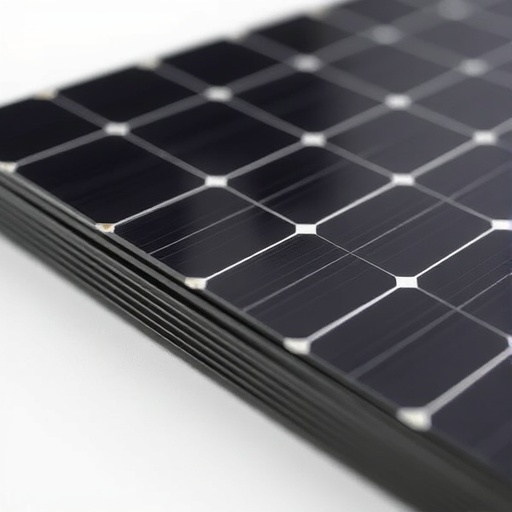
The latest research in solar cell technology showcases a remarkable advancement with the use of layered filler graphite in natural dye-sensitized solar cells. The study, spearheaded by K. Pooja, S. Tripathi, and A. Maurya, provides a compelling insight into how incorporating this innovative material can significantly enhance the efficiency and overall performance of solar cells. Solar energy, hailed as a cornerstone of sustainable energy solutions, stands at the forefront of combating climate change, and any advancements in this field can potentially revolutionize the way we harness sunlight.
As the world increasingly turns towards renewable energy sources, the scientific community is tasked with improving existing technologies. The advent of dye-sensitized solar cells, a promising alternative to traditional silicon-based solar panels, has captured interest due to their affordability and ease of fabrication. These cells harness the power of organic dyes to convert light into electricity, making them suitable for a range of applications—from rooftops to portable electronic devices. Researchers aim not only to enhance efficiency but also to reduce costs, making this technology accessible and effective.
The introduction of layered filler graphite in such cells is a watershed moment. Known for its excellent electrical conductivity, graphite has long been a material of interest in the field of energy storage and conversion. By implementing layered filler graphite into dye-sensitized models, the research team discovered that it enhances charge transfer processes significantly. This improvement results in a more efficient conversion of solar energy into usable electrical energy, marking a promising new direction for solar technology.
The indispensable need for clean energy solutions underlines the significance of this research. With the impending threats of climate change and the depletion of fossil fuels, the development of efficient solar cells is imperative. The transformation of solar energy into electricity without the extensive use of hazardous materials or heavy metals aligns with environmental sustainability goals. The findings of this study hold the potential to inspire further research in sustainable materials in solar technology.
In the intricate design of natural dye-sensitized solar cells, layered filler graphite plays a pivotal role. Through a series of experiments, the research team meticulously analyzed how different configurations of graphite layers impacted the overall functionality of the solar cells. The results pointed towards increased surface area and enhanced electron mobility, both crucial parameters for achieving optimal performance in photovoltaic applications.
Moreover, the research delves into the role of organic dyes, which serve as light harvesters in these solar cells. By carefully selecting natural dyes, which can be sourced from plants and other biological materials, researchers aim to innovate a truly sustainable energy solution. The study evaluates various natural dyes and their interactions with layered graphite, demonstrating how this combination results in improved photon absorption and energy conversion rates.
A remarkable aspect of the study lies in its potential real-world applications. Enhancing the efficiency of solar cells directly correlates with increased energy generation, which can facilitate widespread adoption of solar technology. This would enable households and industries to reduce reliance on fossil fuels, leading towards a greener and more sustainable future. Furthermore, the economic implications are profound, as improved efficiency may lead to lower costs per watt while addressing energy demands across developing and developed nations alike.
Notably, the production process for these enhanced solar cells could witness advancements in scalability. The integration of layered filler graphite introduces a viable pathway towards mass production without compromising quality. As technology transitions from laboratory to industry, the collaboration between researchers and manufacturers will play a crucial role in refining techniques and optimizing performance.
However, with innovation comes challenges. The research does not shy away from discussing the intricacies involved in scaling up the production of these solar cells. Stability, durability, and the longevity of a solar cell are critical factors that must be addressed. Understanding how layered filler graphite interacts over time under varying environmental conditions will provide essential insights into the commercial viability of this technology.
The study also sheds light on the potential for international collaborations in renewable energy research. As more countries recognize the urgent need for sustainable practices, global cooperation could facilitate the sharing of findings and acceleration of technological advancements in solar energy. This interconnectedness underscores the universal nature of challenges posed by climate change and the shared responsibility to innovate and implement effective solutions.
In conclusion, the research on enhancing solar cell performance with layered filler graphite significantly contributes to the ongoing discourse surrounding renewable energy technologies. As the world grapples with ecological challenges, such advancements are not merely scientific achievements; they represent hopeful steps toward a sustainable future. The promise that these natural dye-sensitized solar cells hold in addressing energy needs and environmental concerns highlights the critical role of interdisciplinary research in navigating the complexities of energy transformation.
As the study moves from the research stage to possible commercial applications, the anticipation surrounding layered filler graphite’s role in solar technology continues to build. While challenges remain, the journey of innovation is bolstered by these findings, paving the way for future breakthroughs that align energy production with ecological stewardship.
Pooja, K., Tripathi, S., Maurya, A. et al. Enhancement of solar cell performance with layered filler graphite for natural dye sensitized solar cell.
Ionics (2025). https://doi.org/10.1007/s11581-025-06778-0
Cite Scienmag News
Faith Mcneil. (October 15, 2025). Boosting Solar Cell Efficiency with Layered Graphite. Scienmag. https://scienmag.com/boosting-solar-cell-efficiency-with-layered-graphite/
Faith Mcneil. "Boosting Solar Cell Efficiency with Layered Graphite." Scienmag, 15 October 2025, https://scienmag.com/boosting-solar-cell-efficiency-with-layered-graphite/. Accessed 4 September 2026.
Faith Mcneil. "Boosting Solar Cell Efficiency with Layered Graphite." Scienmag. October 15, 2025. https://scienmag.com/boosting-solar-cell-efficiency-with-layered-graphite/


