

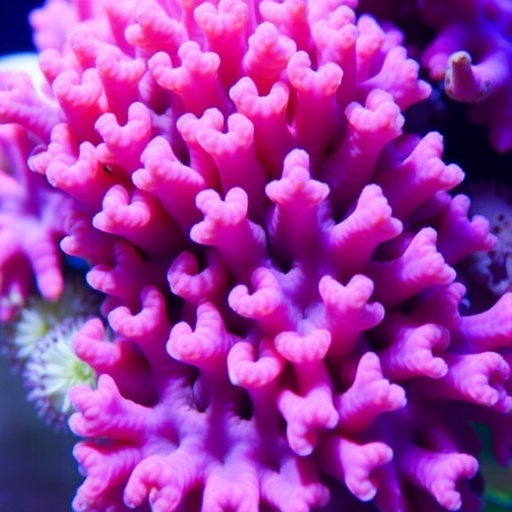
Coral reefs are among the most critical ecosystems in our oceans, providing habitat and sustenance for a wide variety of marine life. However, these vibrant underwater gardens face unprecedented threats from climate change, ocean acidification, and other anthropogenic pressures. In this fragile balance, new research offers a glimmer of hope by introducing a novel electrochemical approach aimed at enhancing the local microenvironment’s alkalinity. This innovative method could significantly bolster coral growth rates, potentially reversing some of the adverse effects brought on by current environmental stresses.
Electrochemically induced alkalinity enhancement is a groundbreaking method that employs electrochemical processes to alter the water chemistry surrounding corals. By increasing the pH and promoting carbonate ion availability, this technique replicates conditions that are conducive to coral calcification. Coral polyps thrive in environments where the water’s carbonate saturation state is elevated, allowing them to build their limestone structures more efficiently, thereby accelerating growth rates. When considering the ongoing challenges posed by acidifying oceans, this research stands to have a profound impact.
The research, conducted by Kiel et al., meticulously explores how the local microenvironment around coral reefs can be manipulated with the use of electrochemical technology. The ability to control hydrological and chemical factors in the area surrounding corals could provide a measure of resilience in the face of changing ocean conditions. By enhancing alkalinity, researchers found that corals were not only able to grow faster, but also showed increased vigor and health, making them better equipped to withstand environmental stressors such as temperature fluctuations and pollution.
One of the compelling findings from this study is the relationship between increased alkalinity and coral growth rates. The researchers aimed to quantify this effect through rigorous experimental designs. They utilized a variety of coral species in their study, which allowed them to observe differing responses to alkalinity enhancement. Such specificity is crucial in understanding how various corals will react to fluctuations in their immediate environment, enabling scientists to tailor interventions appropriately.
As climate change continues to alter ocean conditions, the challenges faced by coral reefs are mounting. Increased carbon dioxide levels result in both rising sea temperatures and ocean acidification, both of which are detrimental to coral health. In this light, the introduction of electrochemical alkalinity enhancement offers a potential strategy not only to protect these ecosystems but also to facilitate their recovery. This proactive approach is increasingly vital as scientists and conservationists strive to find solutions to the pressing issues facing marine biodiversity.
In addition to enhancing coral growth, the study also reported improvements in overall coral health. Healthier corals are more resilient to disease, bleaching events, and other stressors that typically plague reef ecosystems. The potential for electrochemical methods to foster greater biodiversity in coral populations is another significant takeaway from this research. Diverse coral communities are more resistant to disturbances, forming a buffer against the effects of climate change. If these methods were to be implemented on a larger scale, the ecological ramifications could be substantial.
While the promise of this research is exciting, it is essential to recognize the limitations and challenges that come with implementing electrochemical alkalinity enhancement in natural settings. The scalability of this technique remains a critical concern. Scientists must determine whether this process can be effectively applied to vast coral reef systems without adversely impacting the surrounding marine environment. Given the complexity of these ecosystems, further studies will be required to establish long-term effectiveness and ecological safety.
Moreover, funding and technical resources present additional hurdles to widespread implementation. Effective coral reef management requires not only innovative approaches but also adequate support for research, development, and field trials. Collaboration between scientists, policymakers, and conservation organizations is vital to bring promising technologies from the laboratory into practical applications that can benefit coral reef health worldwide.
As research on electrochemical approaches to coral health continues to advance, the potential for innovative solutions will only grow. The interplay between artificial and natural processes may mean a new era for coral reef conservation, where technology complements traditional methods. Innovations like these could empower local communities with the tools they need to protect their marine heritage while ensuring the sustainability of these vital ecosystems for future generations.
Ultimately, electrochemically induced alkalinity enhancement represents a beacon of hope in the struggle to preserve coral reefs amidst a rapidly changing world. As scientists continue to develop and refine these methods, the possibility of restoring coral ecosystems to their former glory becomes increasingly tangible. By harnessing the power of chemistry and technology, we could turn the tide against coral degradation, setting a precedent for future conservation efforts.
The urgency of this research cannot be overstated. Coral reefs are not only invaluable for marine life; they are also essential to human economies and well-being. Protecting these ecosystems is crucial for maintaining biodiversity, supporting fisheries, and safeguarding coastlines from erosion and storms. The findings from this study are a critical step in the right direction, inspiring optimism for future coral restoration projects globally.
As researchers work to uncover more about the intricacies of coral ecosystems and the potential for human intervention, the conversation about coral reef conservation is evolving. Technological advancements like electrochemical alkalinity enhancement could redefine our approaches and reshape how we interact with and protect our oceans. Continued research in this field will be vital for the ongoing survival of coral reefs and, by extension, the health of our planet’s marine environments.
With increasing awareness of the plight facing coral reefs, advocates for their protection must push for global commitments to funding such innovative approaches. Public engagement and support will be crucial in advancing these scientific endeavors. The outlook for coral reefs hinges on a collective effort to integrate science, technology, and community engagement, paving the way for a more resilient future for these extraordinary ecosystems.
The research by Kiel et al. stands as an example of the power of scientific inquiry to address some of the most pressing environmental challenges of our time. As we confront the reality of climate change and its impacts on biodiversity, solutions rooted in creativity, ecological understanding, and technology will be paramount. The future of coral reefs may well depend on our ability to innovate and our commitment to restorative practices that embrace the complex web of life found beneath the ocean’s surface.
In conclusion, electrochemically induced alkalinity enhancement represents a significant advancement in coral reef conservation strategies. By increasing coral growth rates and overall health, this research opens new pathways for restoration and resilience. As further investigations unfold, the potential to apply this technology on a broader scale could revolutionize our approach to maintaining the vitality of coral reefs and the myriad benefits they provide. The journey toward healthier coral ecosystems is just beginning.
Subject of Research: Coral reef growth enhancement through electrochemical methods
Article Title: Electrochemically induced alkalinity enhancement increases coral growth rates in the local microenvironment.
Article References:
Kiel, P.M., McConnell, M., Boyd, A. et al. Electrochemically induced alkalinity enhancement increases coral growth rates in the local microenvironment.
Coral Reefs (2026). https://doi.org/10.1007/s00338-025-02791-x
Image Credits: AI Generated
DOI: https://doi.org/10.1007/s00338-025-02791-x
Keywords: coral reefs, alkalinity enhancement, electrochemical methods, coral growth, environmental resilience.


