


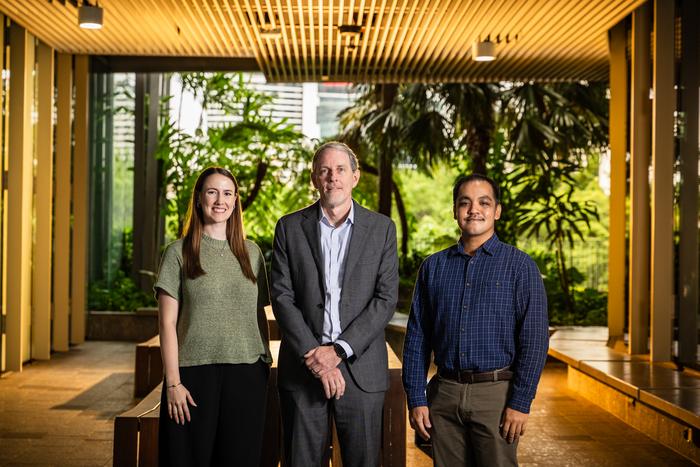
Australia stands at the precipice of a major economic transformation, brought to light by a newly released report from Queensland University of Technology (QUT). This thorough investigation emphasizes the urgency for Australia to develop a cohesive national bioeconomy strategy that could harness its rich biological resources. The authors of the report—researchers Madeline Smith, Dr. Jerome Ramirez, and Professor Ian O’Hara—insist that the nation must act decisively to stake its claim in the burgeoning, globally expanding bioeconomic landscape. As cited in the report, the global bioeconomy is currently valued at an astounding US$4 trillion, with projections estimating that this figure could swell to US$30 trillion by 2040. This impending surge could represent a third of the entire global economic output, underlining both the necessity and opportunity of engaging in this area.
The bioeconomy broadly encompasses all economic activities that leverage biological resources, including plants and animals, to produce food, energy, materials, and other goods sustainably. These practices promise not only economic returns but also vital environmental and social benefits. In the context of a rapidly evolving global marketplace, where technological advancements and shifts toward low-carbon economies are reshaping traditional industries, this report suggests that Australia is positioned to capitalize on these changes.
A significant aspect of the report stresses the critical moment for economic diversification it represents for Australia, particularly in light of comparable efforts from many countries within the G20. These nations have already established comprehensive bioeconomy strategies, which serve as frameworks for coordinated governmental actions, thereby attracting corporate investments. Such advancements in other countries create an atmosphere of competition, prompting Australian authorities to unite various sectors, including government, industry, and academia, to avoid falling behind in the global bioeconomy race.
Professor O’Hara highlights that Australia boasts one of the most significant biomass resources in the world. Unlocking the inherent value of these resources could lead to profound benefits for the agricultural sector while simultaneously fostering the growth of biomanufacturing industries in regional areas. The ideal conditions present themselves for Australia to dive into innovative fields, particularly with the development of sustainable products and low-carbon technologies that could potentially revolutionize sectors like aviation fuel production.
However, the successful advancement of Australia’s bioeconomy hinges on several pivotal factors. The researchers emphasize the necessity of establishing scale-up facilities capable of translating innovative laboratory research into commercially viable products. For example, the QUT Mackay Renewable Biocommodities Pilot Plant has recently been upgraded to support the sugar industry in diversifying its portfolio through a range of value-added products. This serves as a model for the kind of technological translation that is crucial for realizing the full potential of Australia’s bioeconomy.
The report articulates five key recommendations designed to catalyze growth in this sector. Recognizing that a national bioeconomy strategy is essential, the report advocates conducting thorough assessments of the current capabilities, identifying potential growth areas, and prioritizing strategies that will yield regional and workforce benefits. It also suggests investing in feedstock development and optimizing agricultural supply chains, which could yield significant economic benefits while promoting sustainability.
Infrastructure development to support scalable bioeconomic solutions is another central pillar of the recommendations. By funding initiatives centered around pilot and pre-commercial biomanufacturing infrastructure, Australia could strengthen its position as a leader in this field. Similarly, the educational landscape must evolve to foster a skilled workforce adept in bioeconomy practices, particularly providing training programs that extend into regional communities.
Furthermore, the report emphasizes the importance of increased investment in bioeconomy-focused research and development. Establishing large-scale collaborative research programs could greatly accelerate innovation in this sector, leading to transformative advancements that can position Australia favorably on the national and international stages.
In identifying vital opportunities, the report suggests a multitude of avenues through which Australia can diversify its revenue streams, particularly within primary industries and agribusiness. Value-adding activities that occur onshore could serve as a launching pad for new industries, subsequently creating new markets lubricated by the principles of a low-carbon economy.
Nevertheless, various barriers remain that could hinder these efforts. The report notes the necessity for a comprehensive national bioeconomy strategy, as well as dependable access to feedstocks. Furthermore, the availability of a highly skilled and adaptable workforce is crucial, and targeted programs must focus on translating innovative research into commercial success if Australia hopes to thrive in this competitive landscape.
With the publication of the “Growing Australia’s Bioeconomy” report, a clarion call for action has been sounded. It presents a blueprint not only for innovation and economic growth but for positioning Australia as a front-runner in the global bioeconomy, pressed to harness its unique strengths in biotechnology and agriculture.
The time is ripe for Australia to seize this opportunity, but that effort will require a united front among all stakeholders to forge ahead. This report serves as an initial step, inciting discussions and actions that could unlock immense potential. It is imperative that Australia takes heed of the challenges and recommendations outlined within this document, striving to integrate bioeconomic practices into everyday life and economic strategy.
Ultimately, the stakes are high, and the outcomes are uncertain. However, if Australia can align its resources, talents, and ambitions toward a common goal of advancing its bioeconomy, it may very well carve out a prominent role in the future of global economic health.
Keywords
Cite Scienmag News
Denise Maddox. (June 17, 2025). Blueprint Reveals Pathway for Expanding Australia’s Bioeconomy. Scienmag. https://scienmag.com/blueprint-reveals-pathway-for-expanding-australias-bioeconomy/
Denise Maddox. "Blueprint Reveals Pathway for Expanding Australia’s Bioeconomy." Scienmag, 17 June 2025, https://scienmag.com/blueprint-reveals-pathway-for-expanding-australias-bioeconomy/. Accessed 4 September 2026.
Denise Maddox. "Blueprint Reveals Pathway for Expanding Australia’s Bioeconomy." Scienmag. June 17, 2025. https://scienmag.com/blueprint-reveals-pathway-for-expanding-australias-bioeconomy/


